
Level 1 sweep and inspection to the NFPA 211 annual standard - flue, crown, cap, and flashing checked and photographed
Chimney sweep logs do not sweep chimneys. They loosen some creosote - which then falls where a brush and vacuum still have to collect it.
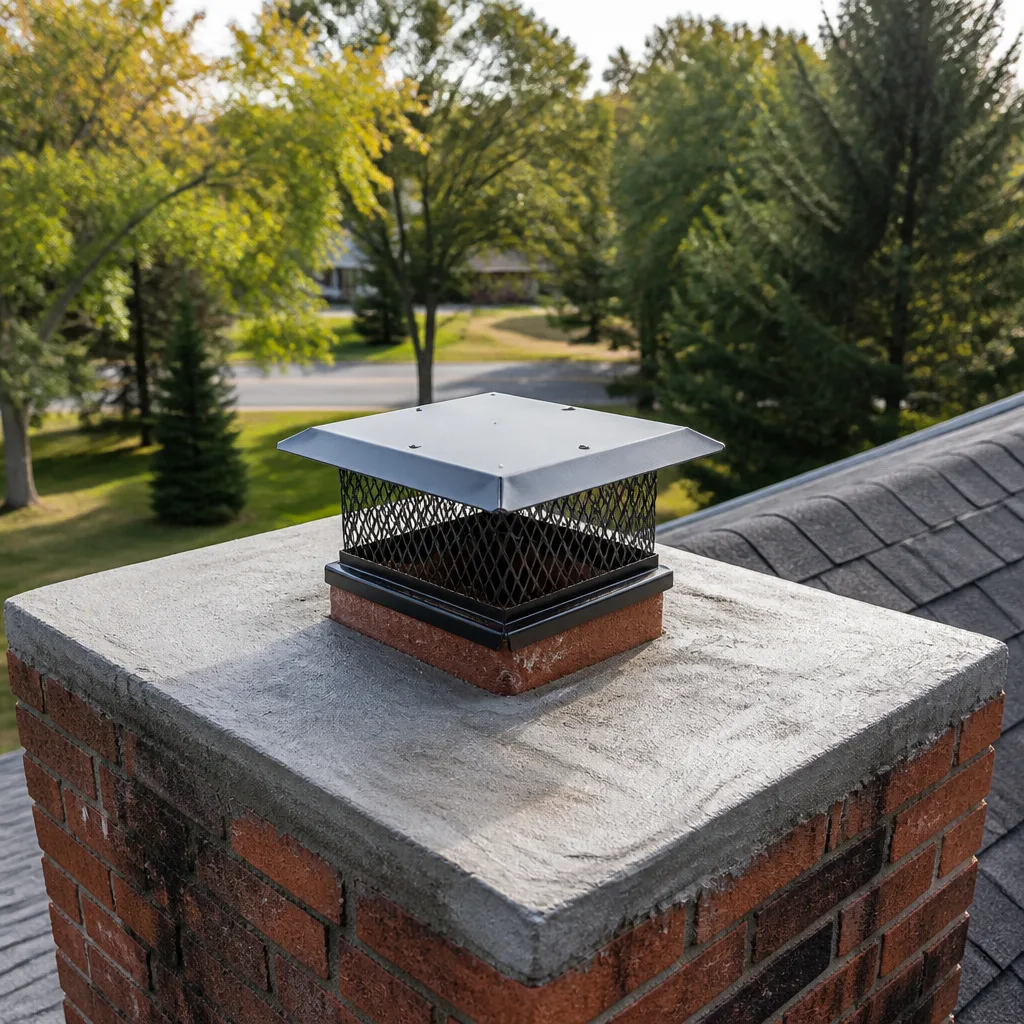
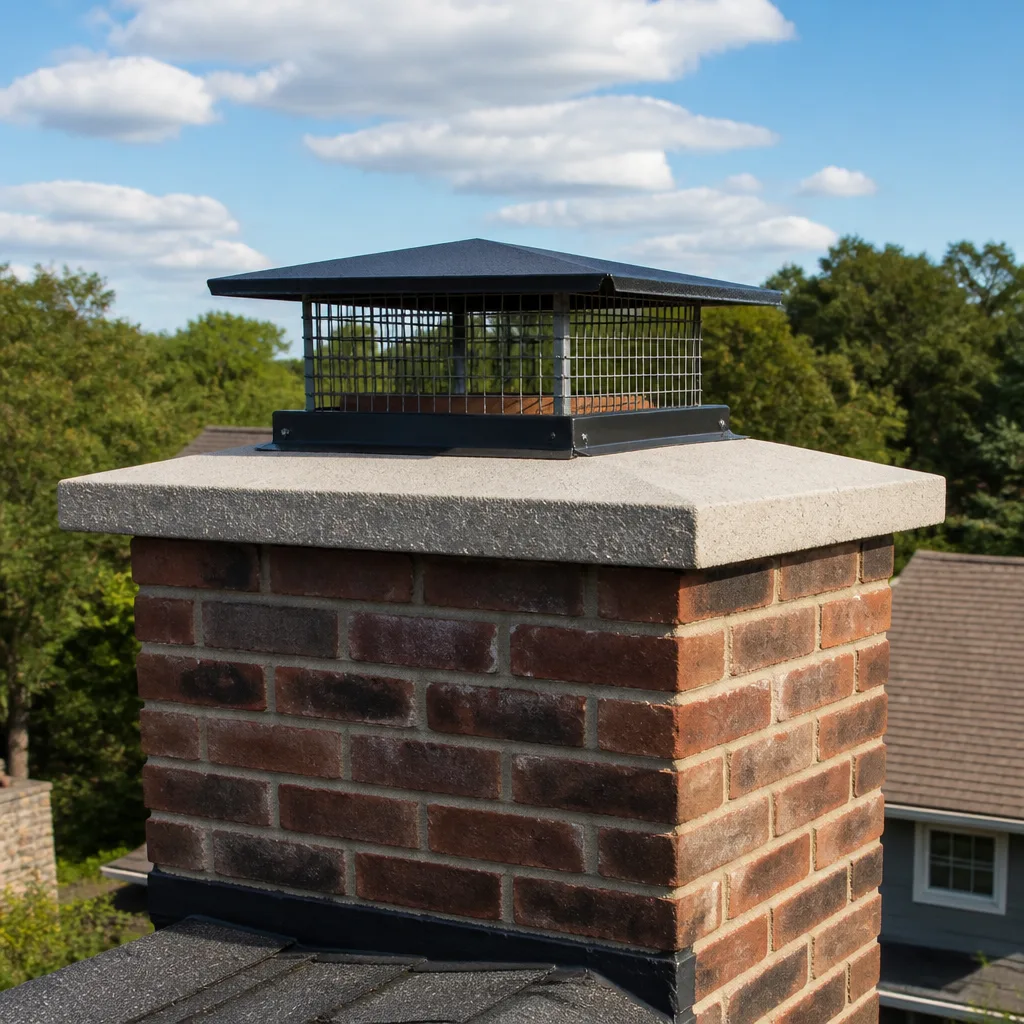
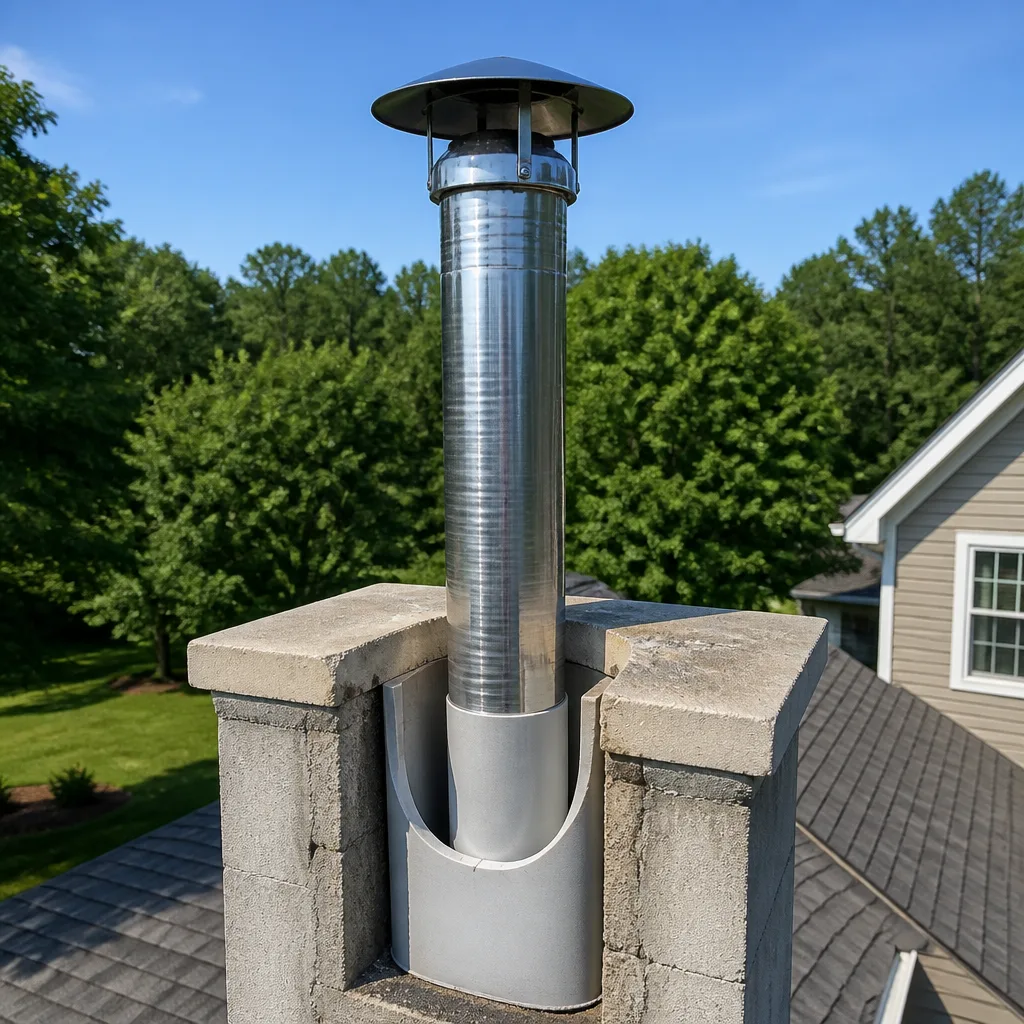
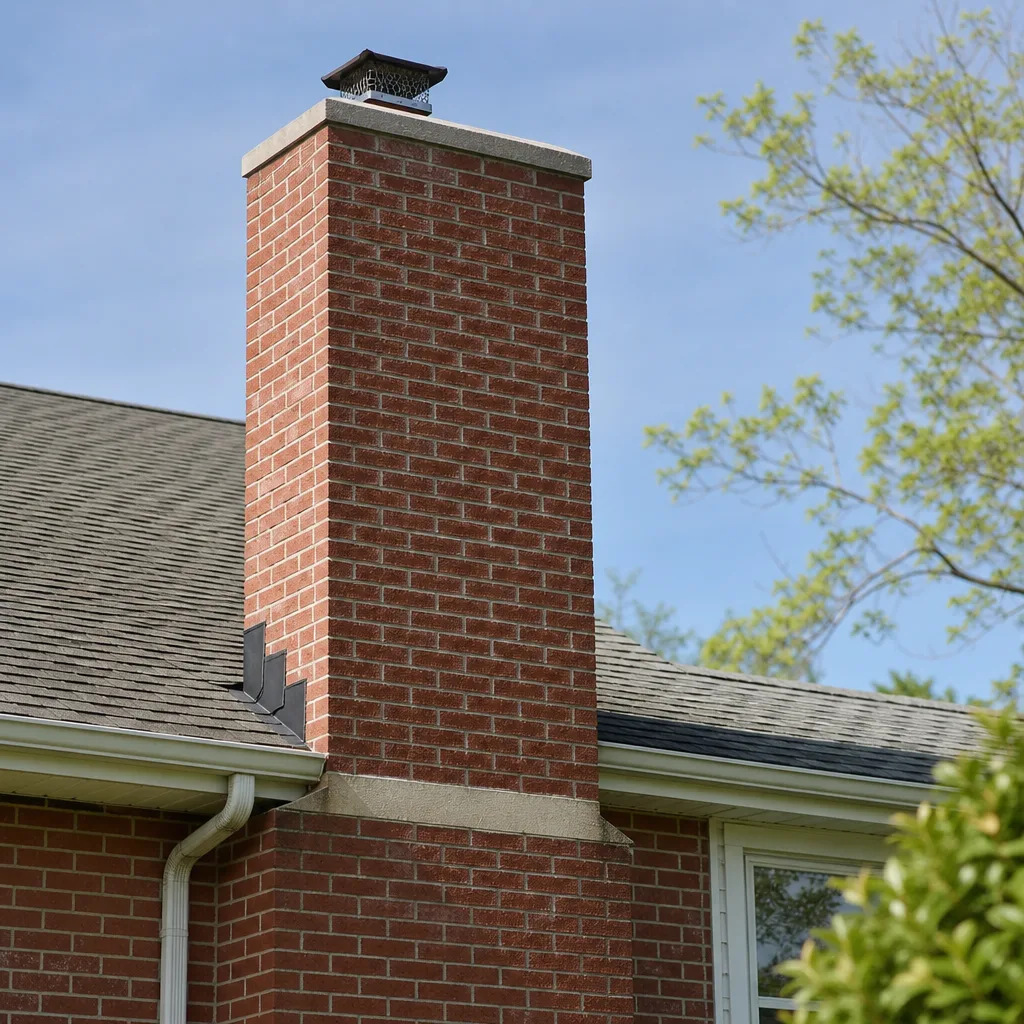
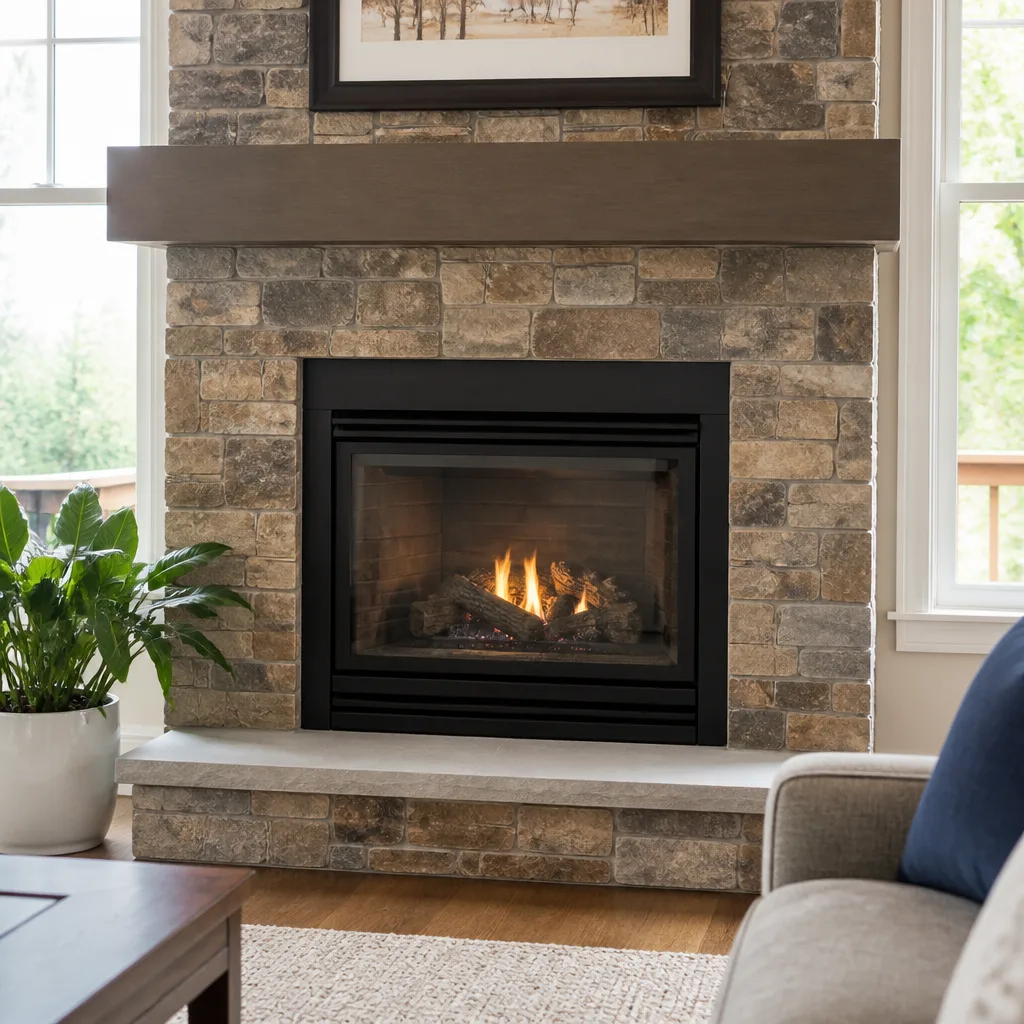
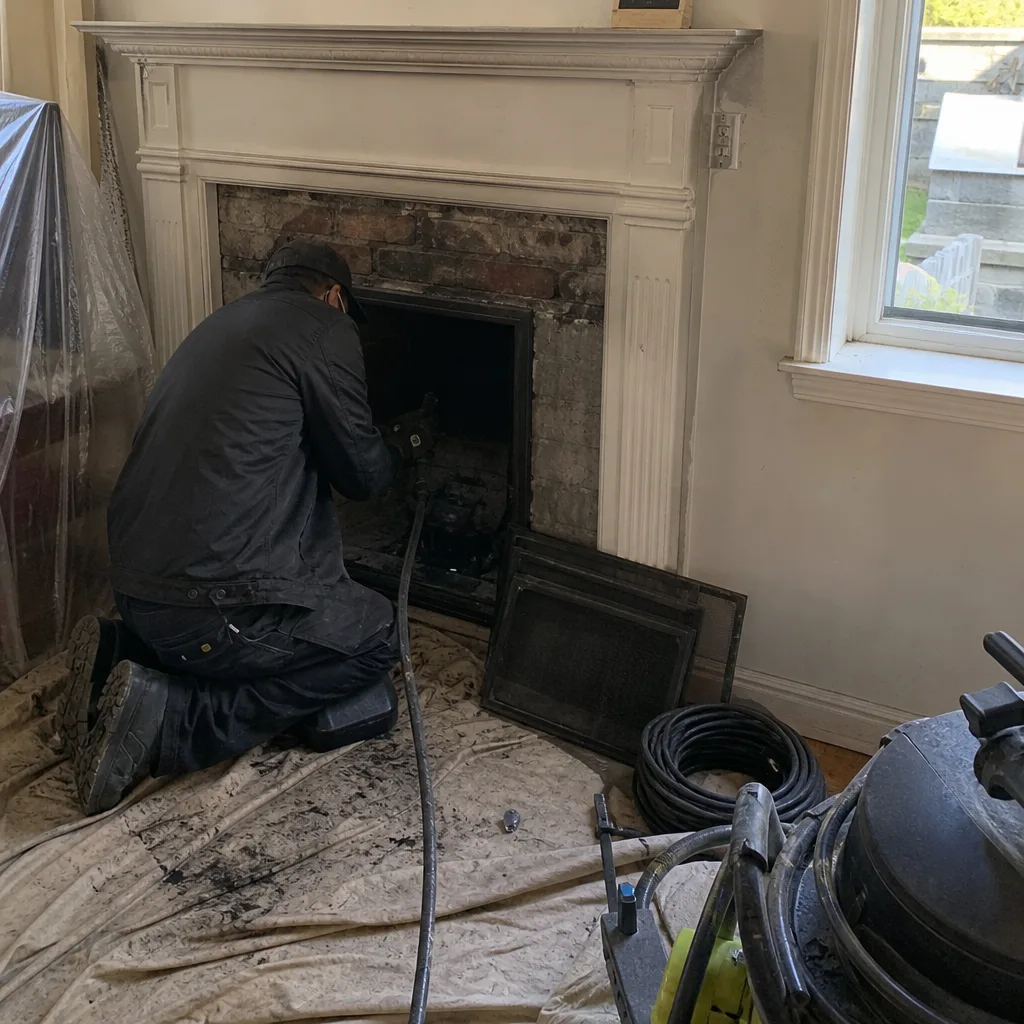 Before
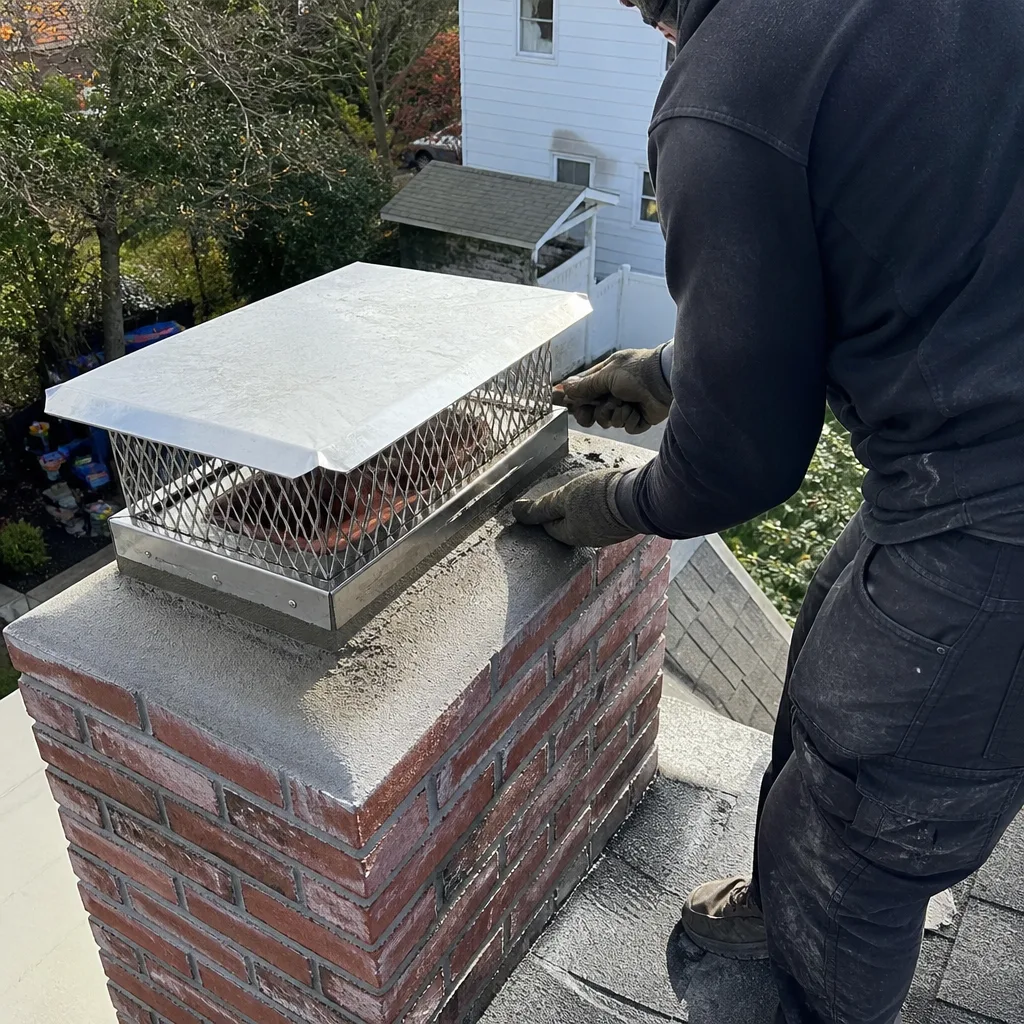 After
After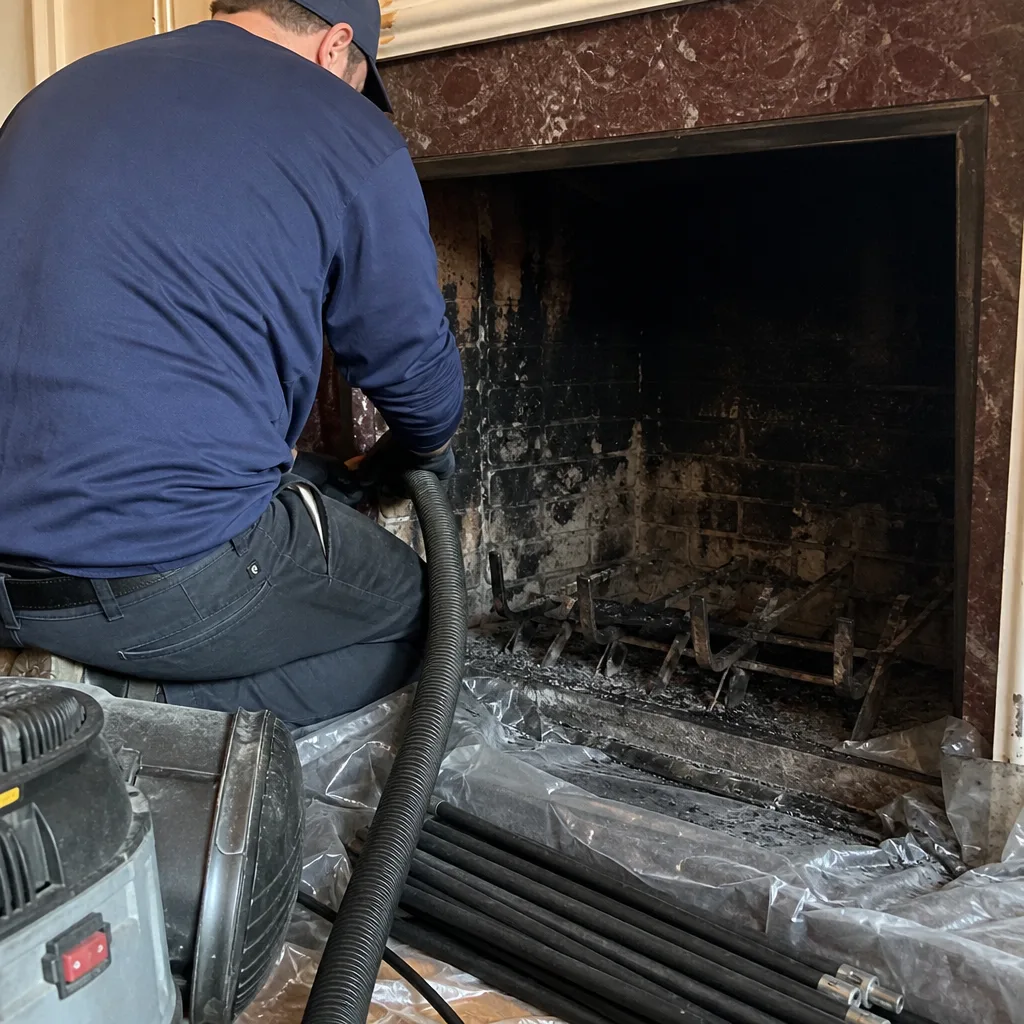 Before
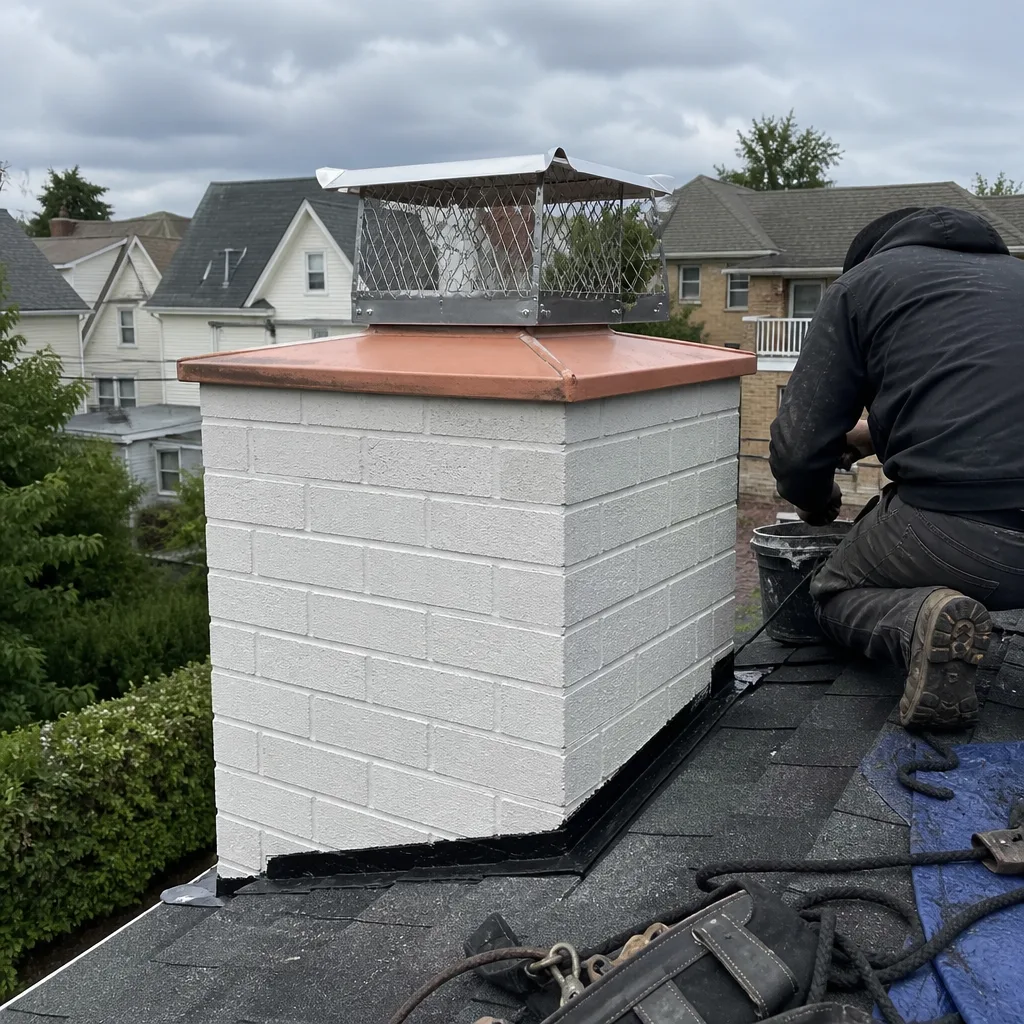 After
After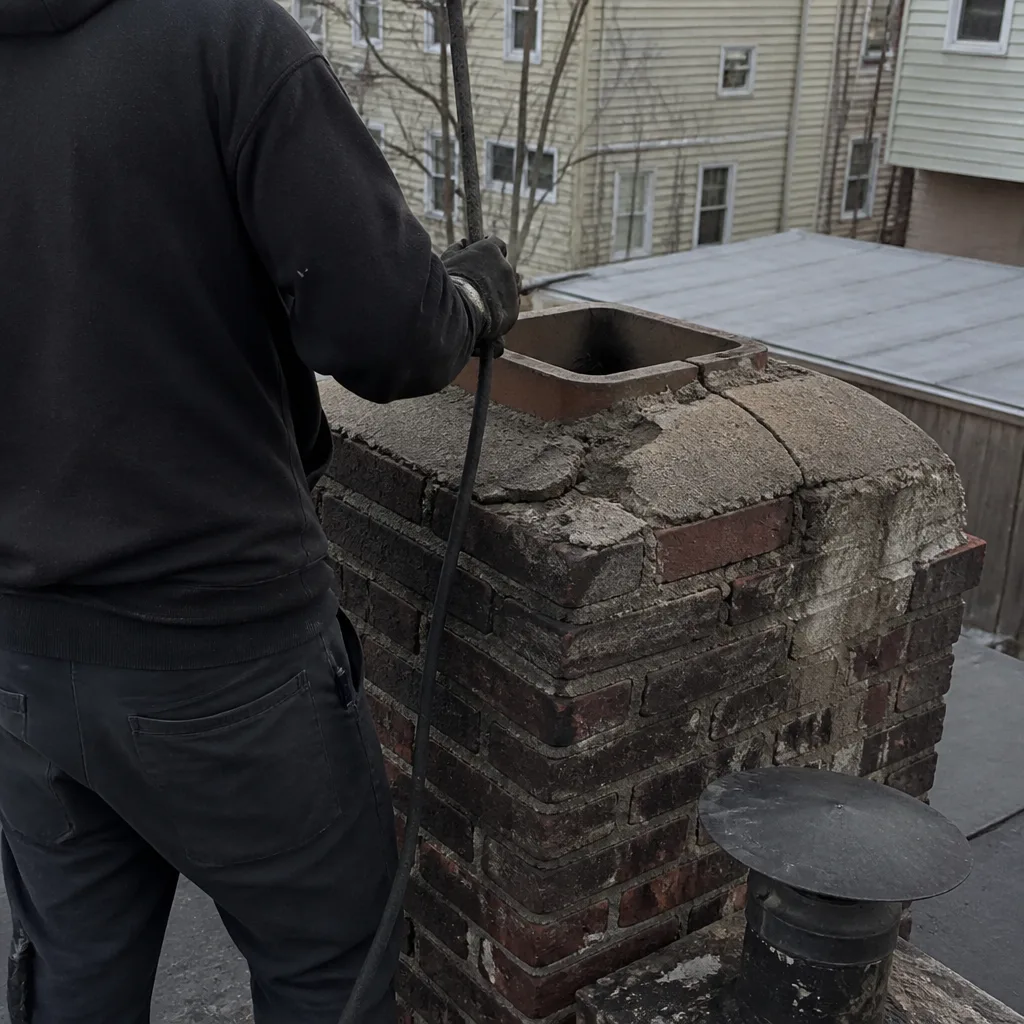 Before
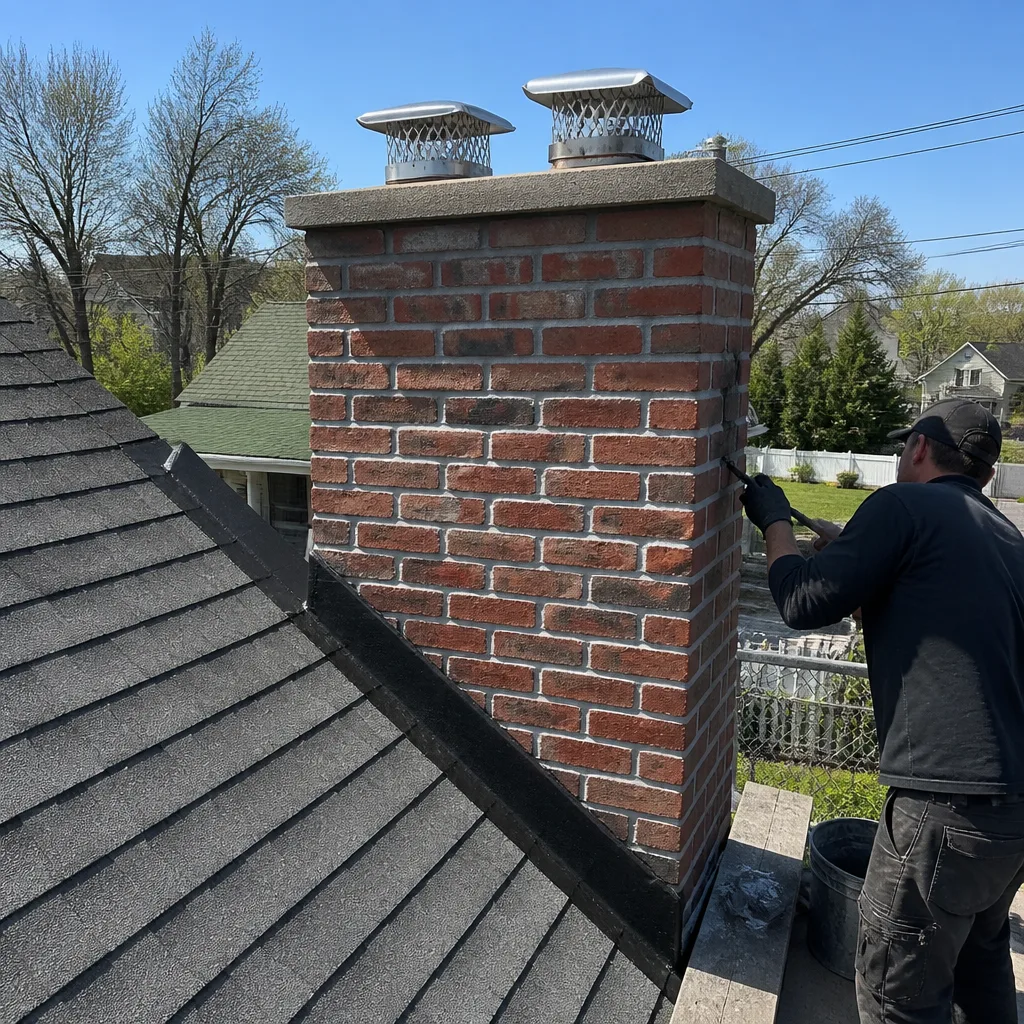 After
AfterGelco Chimney Cap Installation: The Astoria Owner’s Guide
We stock and install Gelco chimney caps in Astoria, and a typical Gelco cap replacement here runs between $85 and $220 installed, depending on the flue size and roof access. Most jobs are done in under an hour once we’re on the roof. The way most Astoria owners discover they need this is simple: they hear water dripping near the fireplace after a hard rain, or they notice the cap is gone entirely after a nor’easter tore through. Sometimes it’s rust streaks staining the brick below the flue. We keep common Gelco sizes on the truck, so in a lot of cases we can finish the job in one visit.
If you’ve got a Gelco cap that’s seen a few New York winters, you already know the brand holds up better than most of the cheap imports. But even Gelco’s galvanized and stainless caps eventually fail at the seams, the screen, or the mounting brackets. We’ll walk you through exactly what to expect.
Which Gelco Models This Applies To
Gelco makes a handful of cap styles that show up on Astoria rowhouses and pre-war buildings: the standard single-flue cap with expanded metal mesh, the multi-flue cap for shared chimney crowns, and the top-mount cap with the built-in spark arrestor that the FDNY likes to see on wood-burning flues. If you look at the underside of your existing cap, you’ll usually find a stamped model number, something like GC-8 or GC-13, which tells us the flue tile size it was built for.
Here’s the compatibility gotcha most people in Astoria don’t know: Gelco caps are sized to the outside dimension of your flue tile, not the inside opening. So a flue that measures 8×8 on the inside might need a 13×13 cap, because older clay tile walls are thick. We run into this all the time in pre-war buildings off 31st Street, where the original tiles are oversized and nothing modern fits without an adapter bracket. When we quote a Gelco cap over the phone, we always ask whether the house was built before 1940, because that changes the sizing conversation.
As for OEM versus aftermarket: Gelco’s own caps are the ones we install most often, because the mesh gauge is consistent and the mounting bands are made for their own bases. There are decent aftermarket equivalents out there, but the savings is usually $15 to $30, and we’ve seen too many of them rust out at the screen in three years. For a part that lives on your roof through Astoria’s salt air and winter ice, we’d rather install the real thing. We’re an independent shop, not affiliated with Gelco, so we stock both and will tell you honestly when the aftermarket piece is fine for your setup. DuraFlex and HeatShield parts we keep on hand as well, for when the cap is only half the problem.
Signs Your Gelco Chimney Cap Installation Is Failing
- Water in the firebox after rain. This is the number one call we get in Astoria between October and April. The cap’s lid has rusted through at a seam, or the mounting band loosened enough to let water run down the flue wall. Left alone, that water soaks into the mortar joints and accelerates spalling brick.
- Rust streaks on the chimney crown. You’ll see orange-brown staining running from the base of the cap down onto the crown wash. That’s the cap’s base plate corroding, and it means the galvanic reaction between the cap and the masonry has already started. The cap is done; the question is whether the crown below it survived.
- Mesh screen torn or dented. A ripped screen might look cosmetic, but in a wood-burning flue it’s your spark arrestor. A squirrel or raccoon can get through a tear in one night. We’ve pulled more nests out of Gelco caps with missing mesh than any other brand, mostly because the caps were installed 15 years ago and the mesh finally gave out.
- Cap is loose or rattles in wind. If you can hear it from the sidewalk, the mounting bands are shot. Astoria’s rooftop wind funnels between the taller buildings and works a loose cap like a lever, cracking the mortar around the flue tile. Don’t wait on this one.
- Drafting problems when other windows are open. A partially blocked Gelco cap, packed with soot and creosote at the mesh, strangles airflow. The stove or fireplace burns lazy, and you get smoke rollback into the room. We’ll often find the cap blocked within a season of a big sweep, especially on oil-fired flues that see heavy use.
Replacement Cost & What’s Included
For a standard single-flue Gelco cap in Astoria, installed, expect $85 to $220. That number covers the cap itself, the mounting band or brackets, the labor to get on the roof and set it correctly, and a quick visual check of the flue tile below it. The range comes down to three things: the flue size, whether the crown needs patching where the old brackets sat, and how many flights of stairs we’re climbing to get to the roof hatch.
Multi-flue Gelco caps on larger buildings run higher, sometimes $300 to $500, because they’re wider and often need custom brackets on an irregular crown. You’ll get the price before a single tool comes off the truck. That’s the way we’ve done it since 1999, and the number you hear on the phone is the number on the invoice. Every Gelco cap install includes the 90-Day Done Right Promise: if the cap loosens, leaks, or the mesh fails within 90 days, one call brings Wendell and his crew back at no charge. And for seniors and veterans, there’s always 10% off, on top of any other offer.
DIY or Call Us?
If you’ve got a rowhouse roof with a hatch and a low pitch, you can absolutely climb up and look at the cap yourself. Take a photo of the sticker on the underside if there is one, and measure the outside width of the flue tile with a tape measure. That’s the information we need to give you a real quote over the phone.
What we don’t recommend is doing the actual swap as a DIY job, and not because we’re guarding the work. The dangerous part isn’t the cap itself; it’s working on an Astoria rooftop. The pitch on the older flat-roof buildings is manageable, but the parapet walls are low, the wind off the East River is constant, and one wrong step near a skylight or a rotted roof deck is a life-changing fall. We’ve done this work within earshot of the N train more times than we can count, and the rule is always the same: two people on the roof, proper rope or harness when the drop is over 20 feet, and no rushing. If the job doesn’t need doing, I’ll tell you that instead. If it does, we’d rather do it safely than see you on a ladder in the rain. Call (929) 822-6306 and Wendell will walk through what you’re looking at over the phone.
FAQs
In Astoria’s salt air and freeze-thaw winters, a galvanized Gelco cap lasts 8 to 12 years, and a stainless one typically goes 15 to 20. The mesh screen is usually the first thing to fail, so even if the lid looks fine from the street, the cap may be rusting at the screen welds. Call (929) 822-6306 and we’ll inspect it for free if you’re inside the county.
Sometimes. A loose mounting band can be re-tightened or replaced for about half the cost of a new cap, but once the lid has rusted through or the mesh is torn, patching is false economy. We’ll show you the damage on camera before we recommend anything, and the footage is yours to keep. If it can wait, we’ll tell you it can wait.
Most single-flue Gelco cap installs in Astoria take 45 to 90 minutes from the time we park to the time we’re back on the sidewalk. Multi-flue caps on larger buildings may take a couple of hours, especially if we’re patching crown mortar at the same time. We give you a real arrival window and call if it slips.
We keep the most common Gelco sizes, including GC-8, GC-13, and the standard 9×13 multi-flue cap, stocked on the truck for Astoria service calls. The unusual sizes, like 18×18 or larger, we can usually source within a few days from our local supplier. Call (929) 822-6306 with your measurements and we’ll confirm before we schedule.
Written by Wendell Pike, Owner, Top Hat Chimney at Top Hat Chimney, serving Astoria and nearby areas.