

Level 1 sweep and inspection to the NFPA 211 annual standard - flue, crown, cap, and flashing checked and photographed
Chimney sweep logs do not sweep chimneys. They loosen some creosote - which then falls where a brush and vacuum still have to collect it.
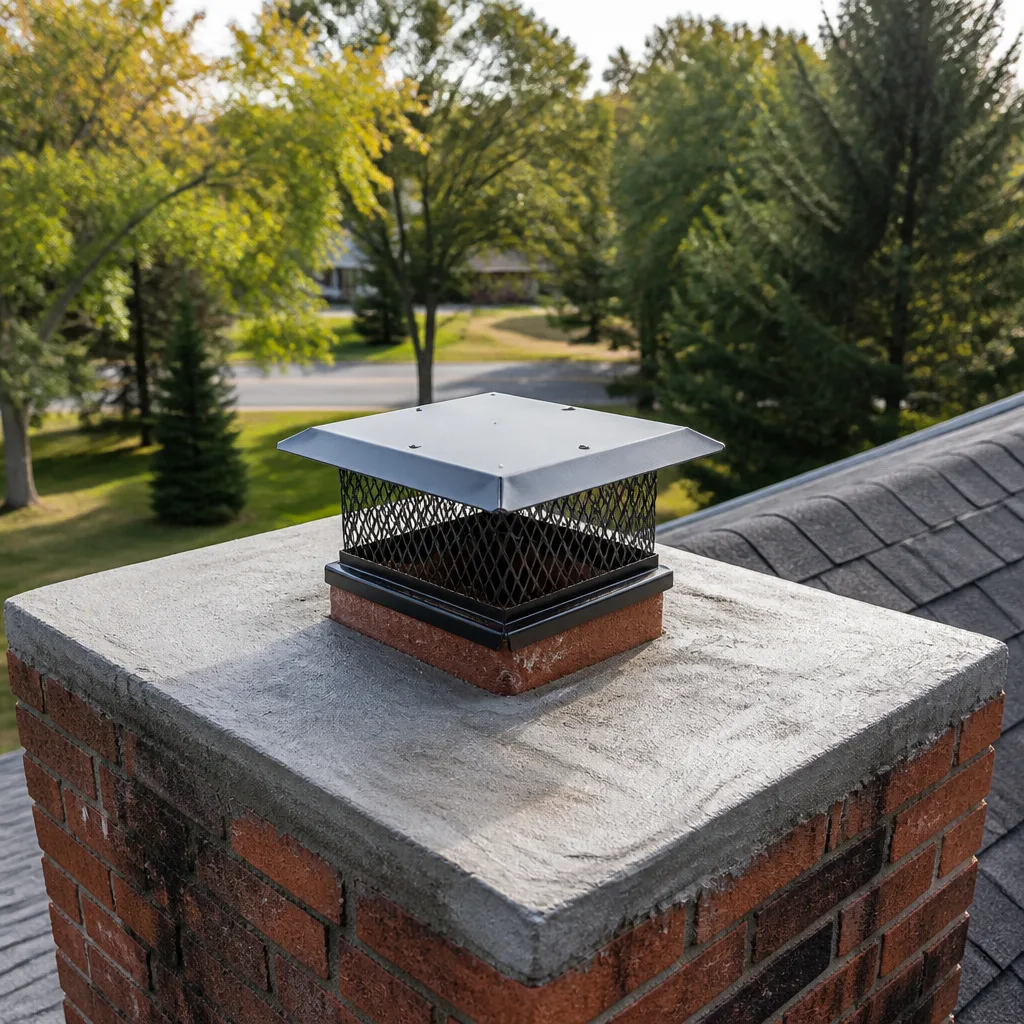
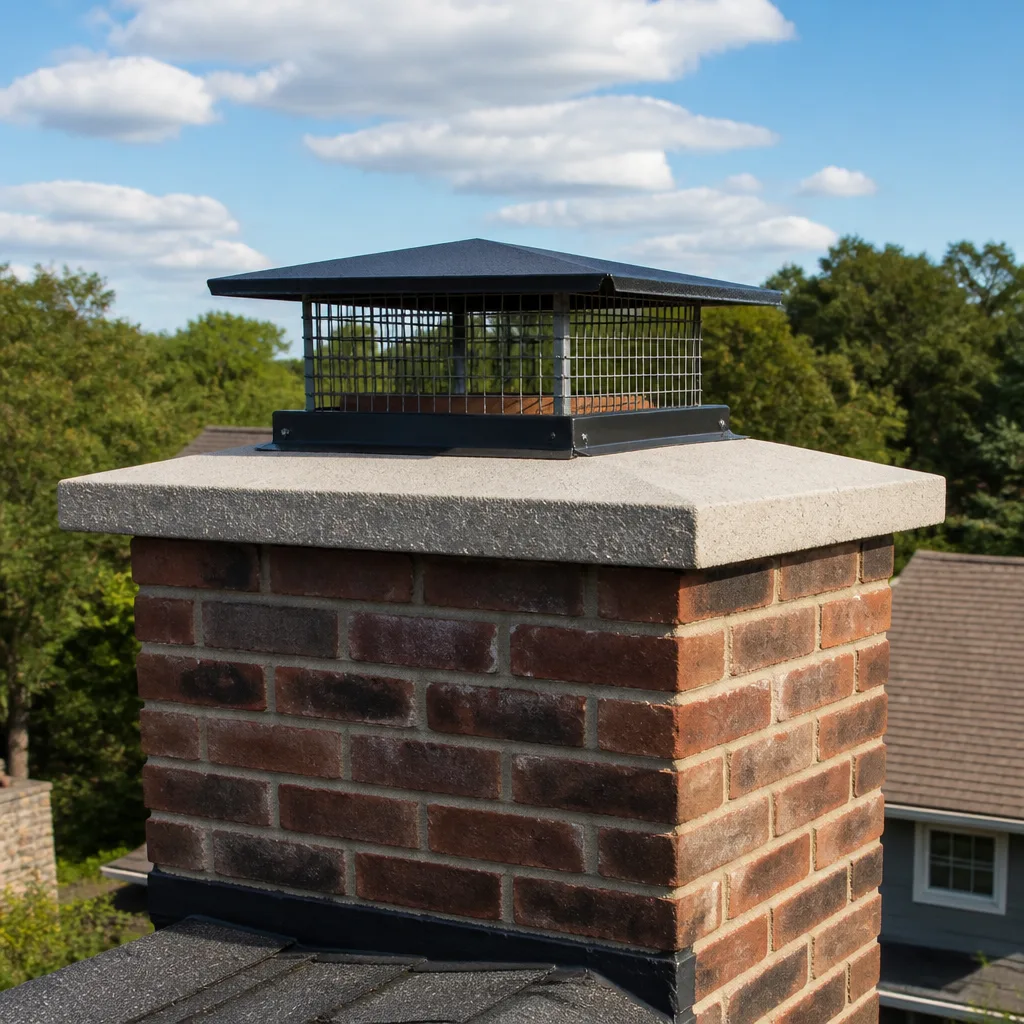
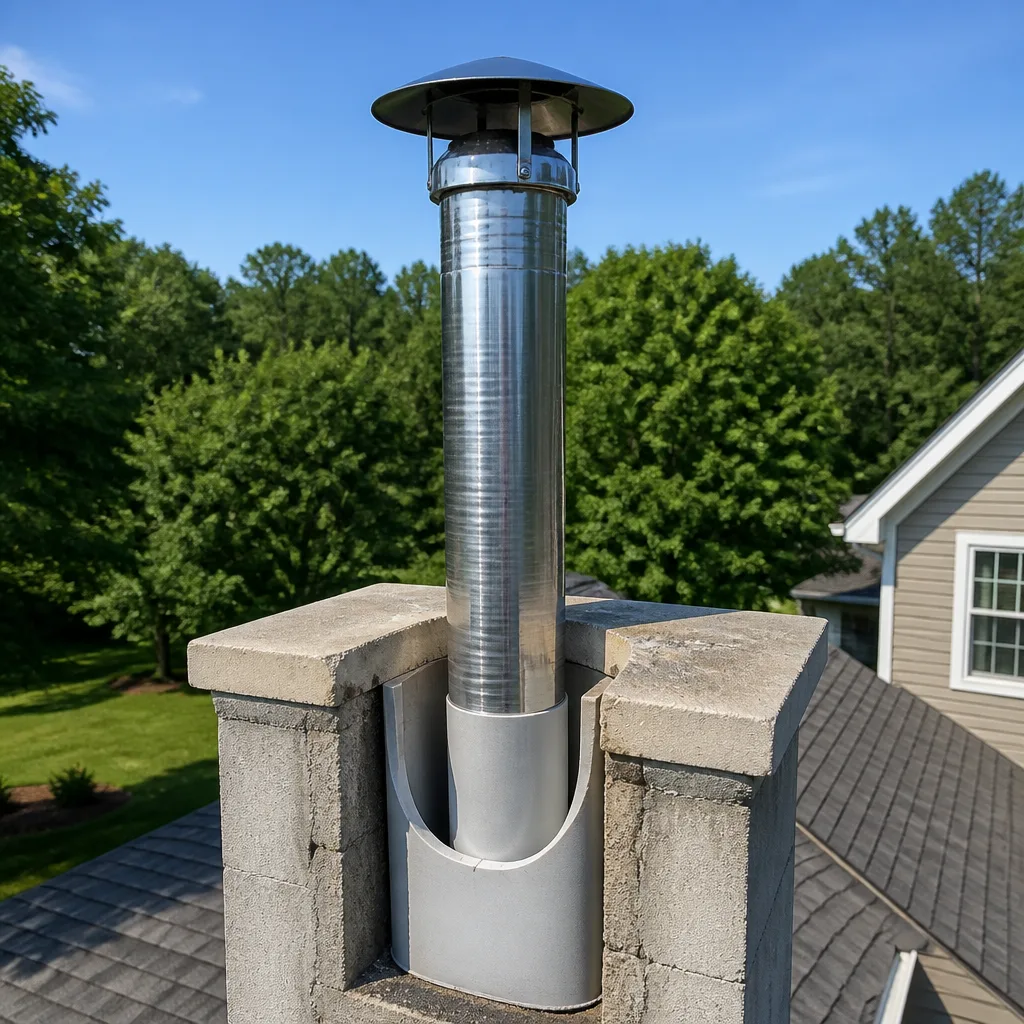
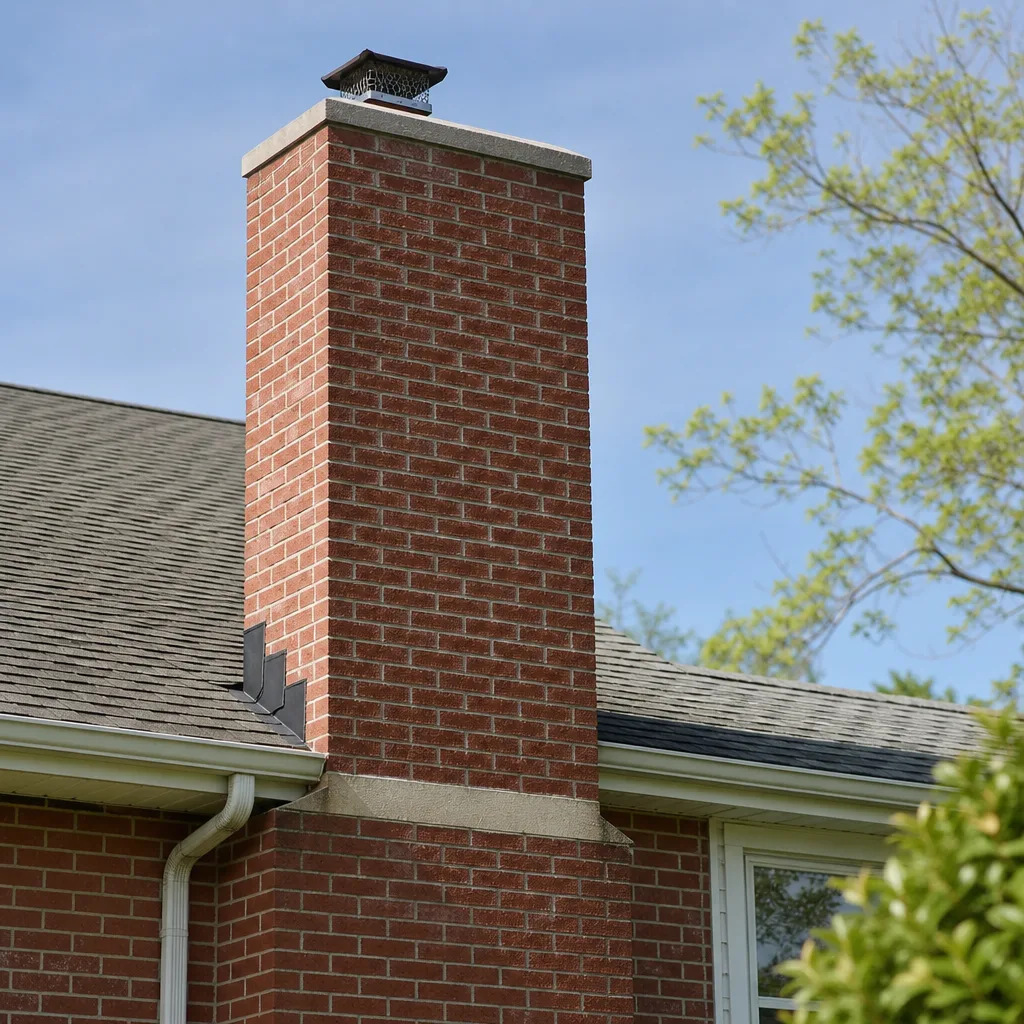
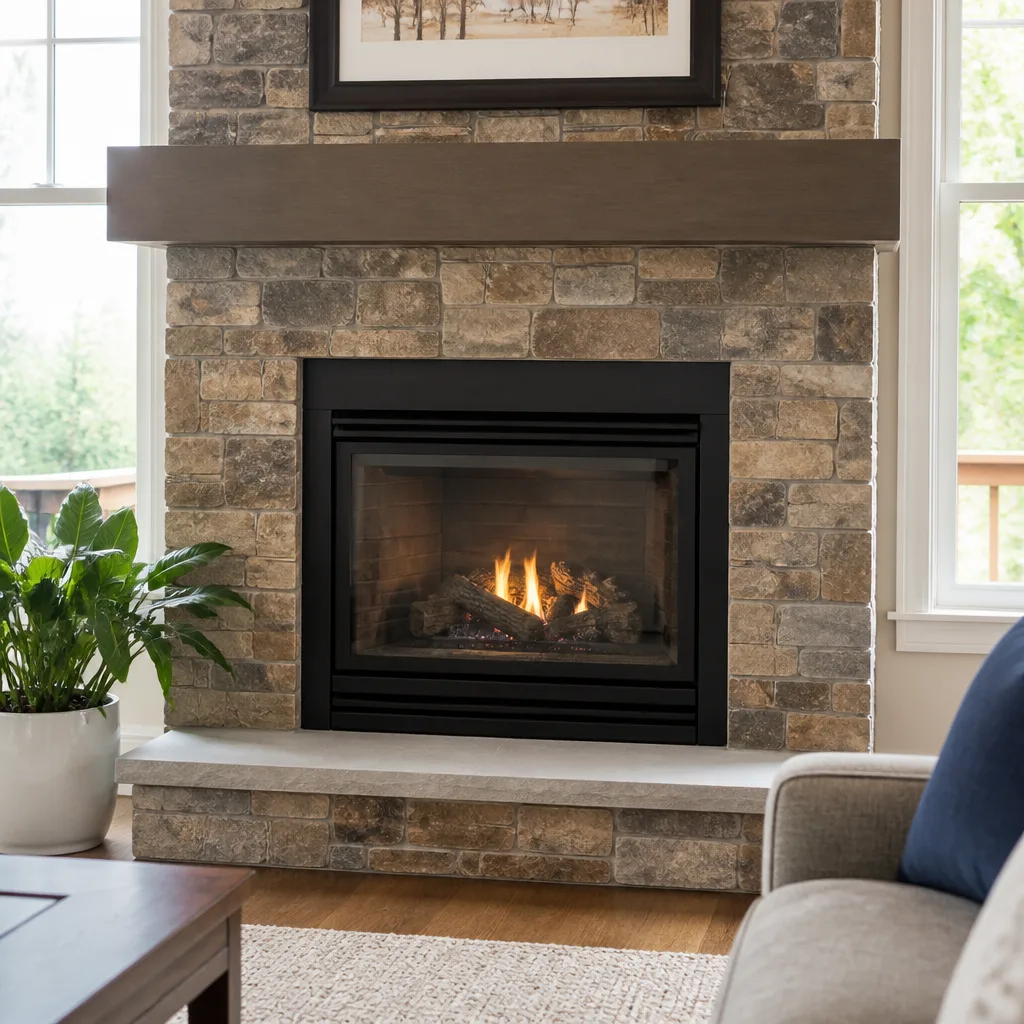
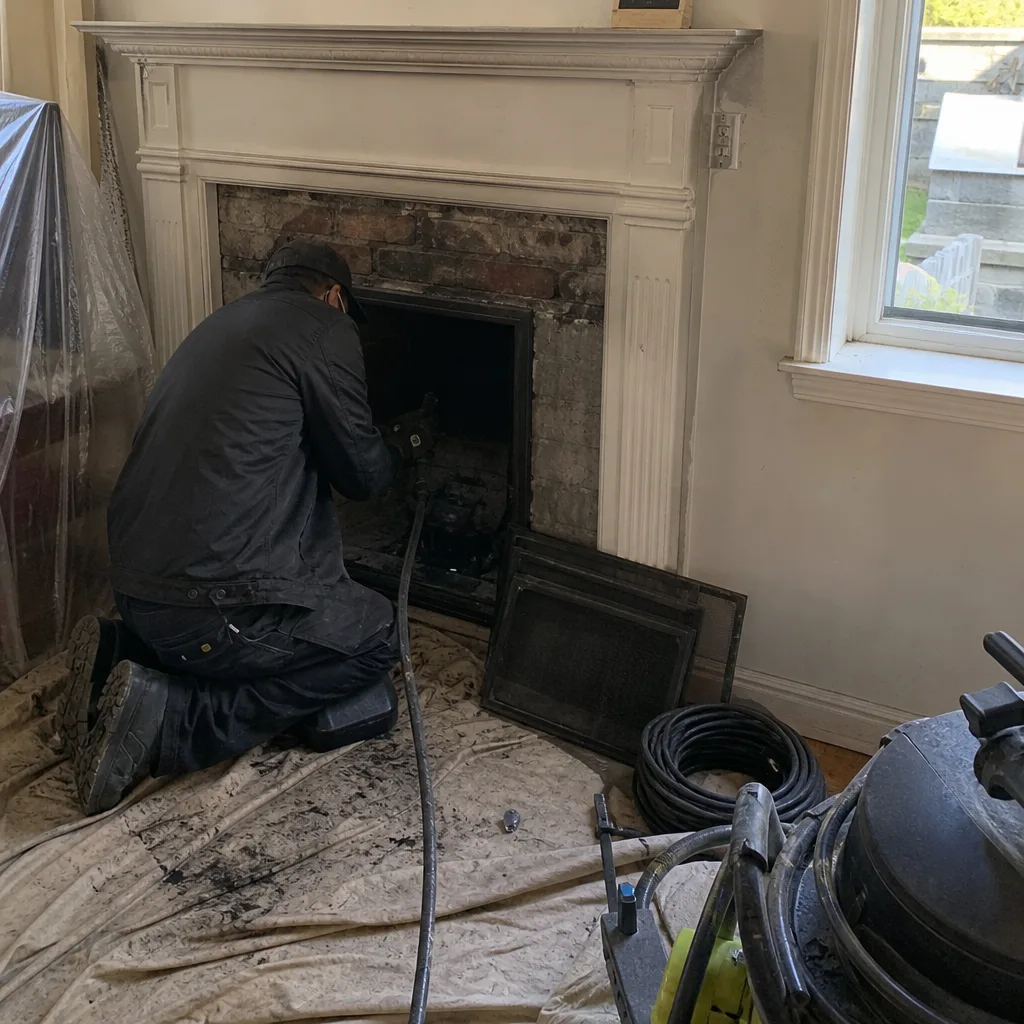 Before
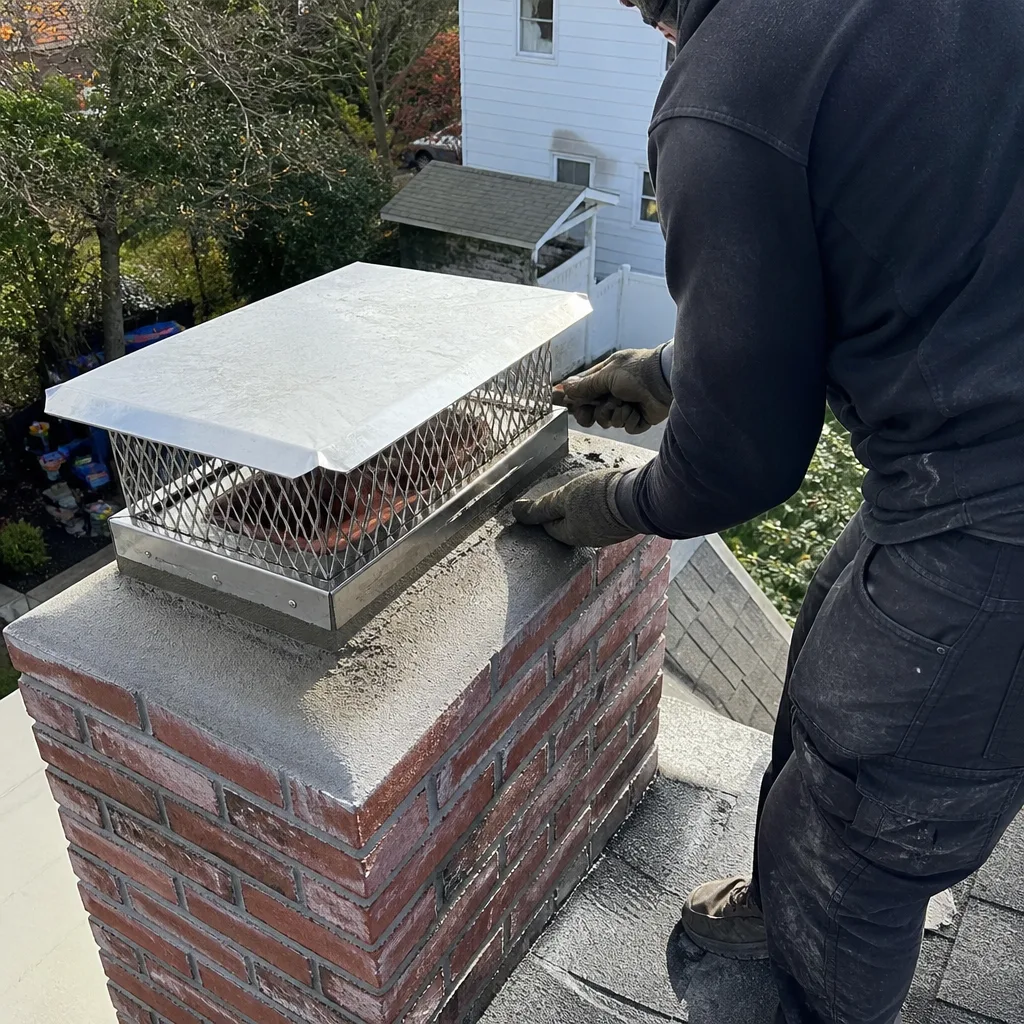 After
After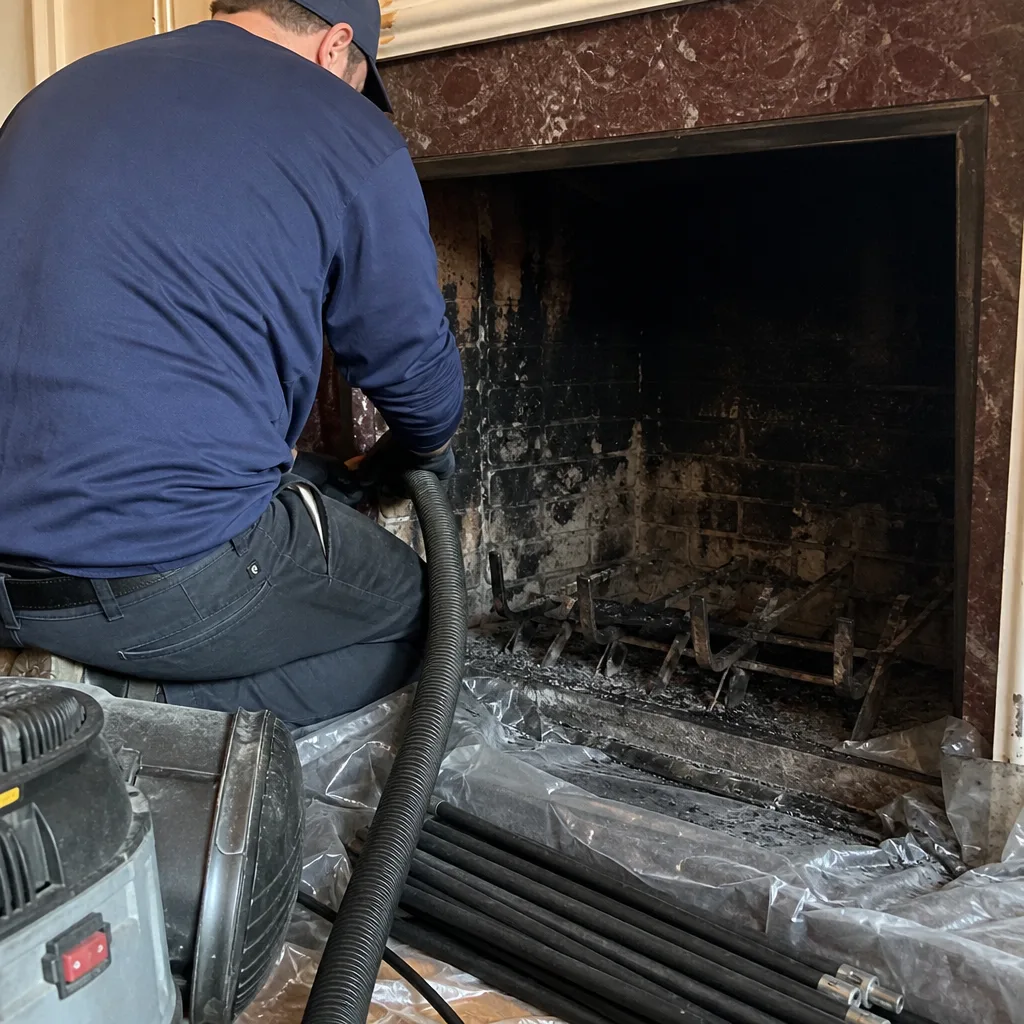 Before
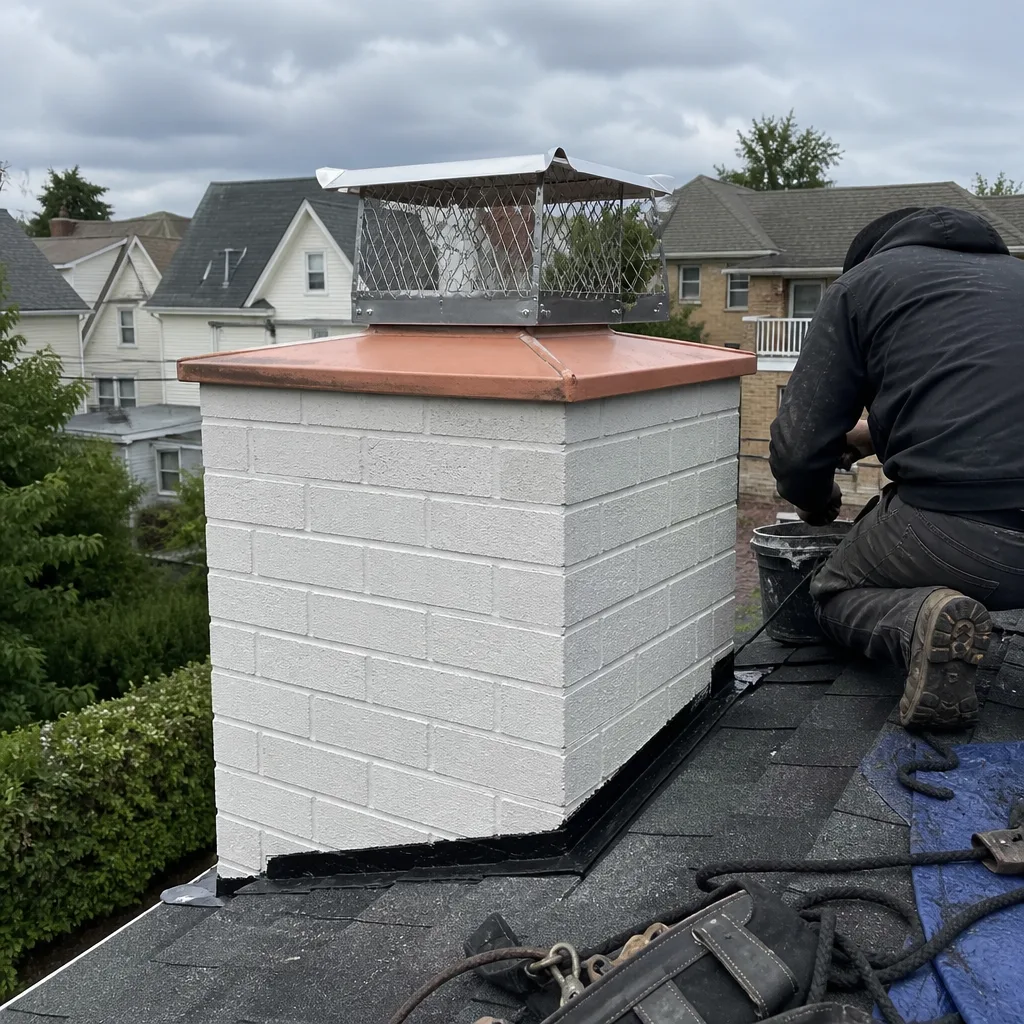 After
After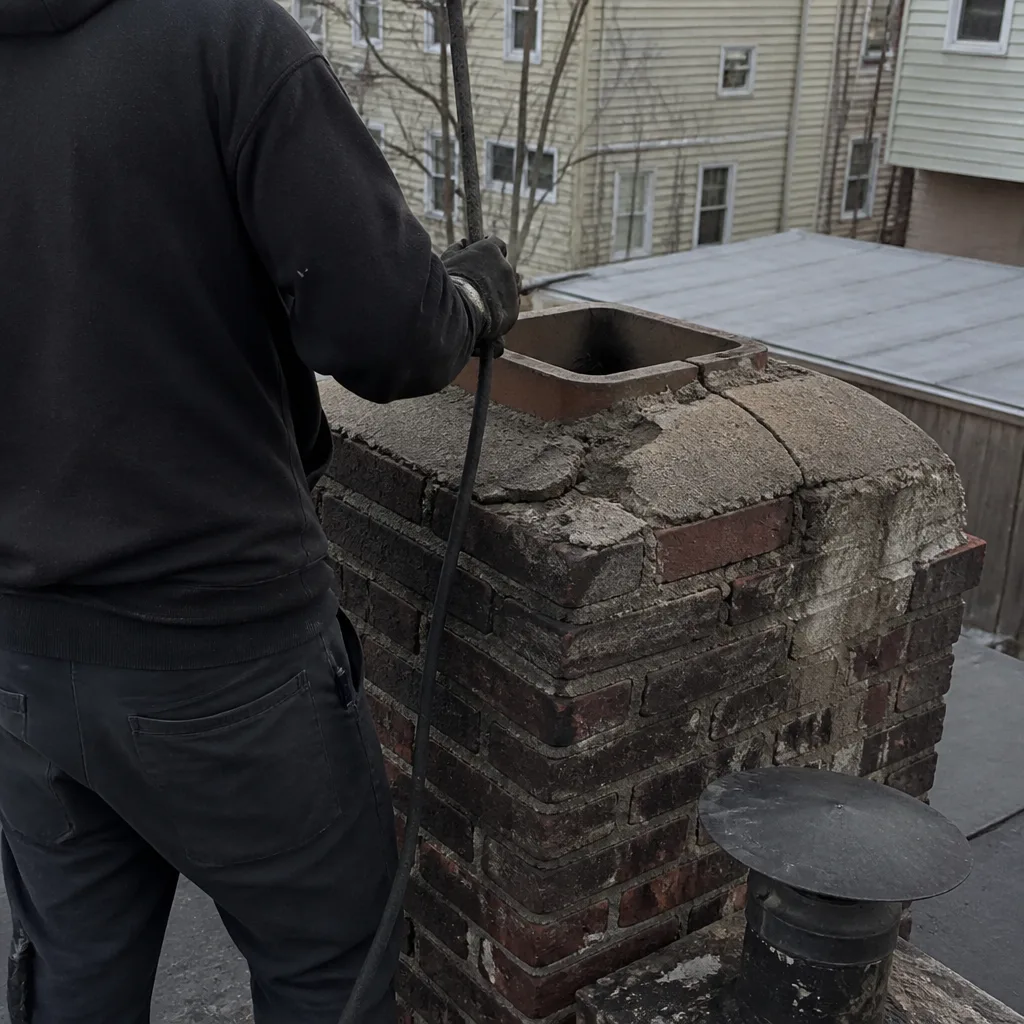 Before
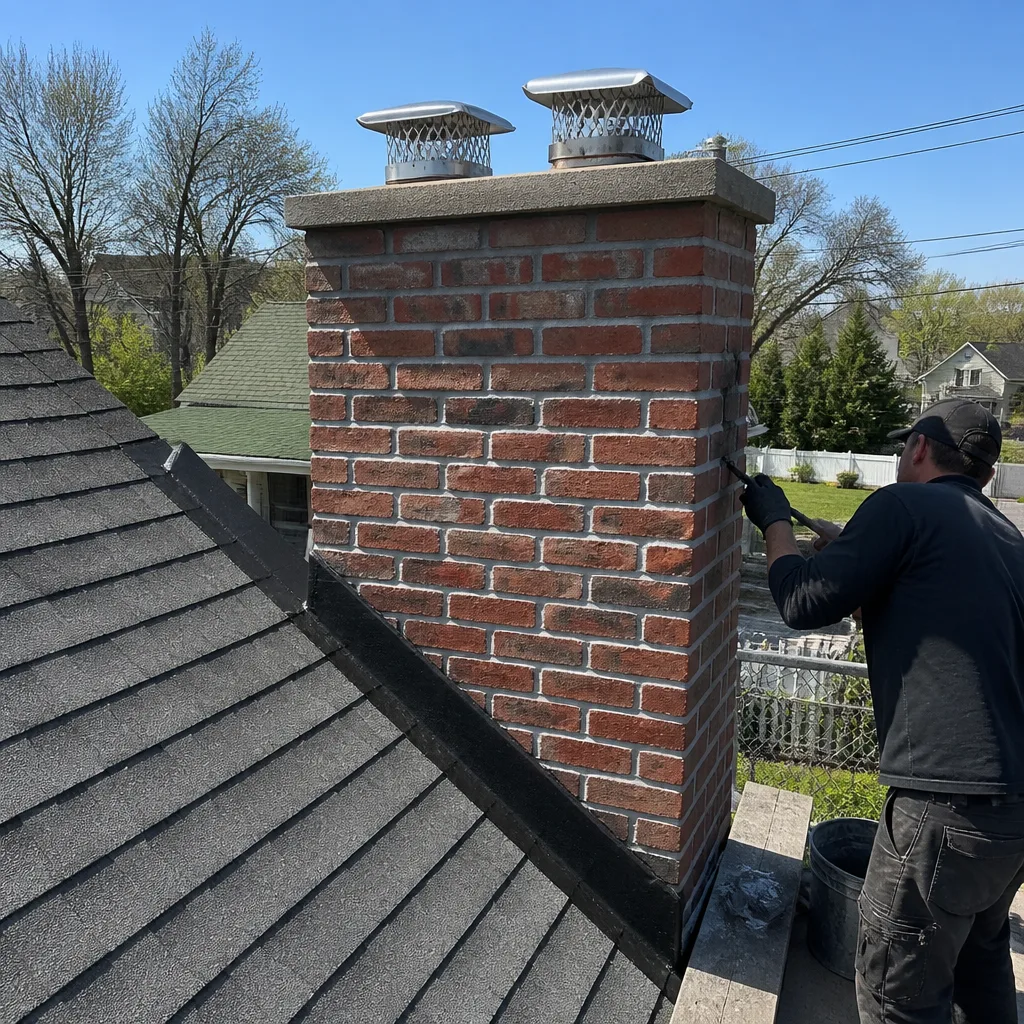 After
AfterHeatShield Chimney Cleaning in Long Island City, NY | Top Hat Chimney
We provide independent HeatShield chimney cleaning and repair across Long Island City, and the thing that sets our work apart here is simple: we know what the East River does to these flues. Most HeatShield failures we see in LIC aren’t material defects. They’re what happens when wind-driven rain off the waterfront meets 130-year-old brick. Call (929) 822-6306 and you’ll get a live person, a straight answer, and a price before any tool comes off the truck.
Why Long Island City Residents Choose Us for HeatShield Service
Wendell Pike founded Top Hat Chimney in 1999, and he’s been up on rooftops within earshot of the N train more times than he’d care to count. We’ve installed, repaired, and cleaned HeatShield sales & service systems in more than 75 pre-war homes across Hunters Point and the greater Long Island City waterfront. That matters because HeatShield Cerfractory sealant behaves differently in a moisture-heavy riverfront flue than it does in a dry inland chimney. We know how it cures here, how it fails here, and how to fix it so it stays fixed. We’re not a franchise that rotated in last spring. We’re the sweep who shows up at your door, gives you a real arrival window, and runs into you again on Saturday at the hardware store on Steinway.
Common HeatShield Chimney Cleaning Problems We Solve in Long Island City
- Cerfractory sealant pulling away from flue walls. On western-facing Hunters Point blocks, wind-driven rain off the East River saturates the underlying brick and mortar joints. When that moisture gets behind a HeatShield lining, you get bubbling and peeling within the first heating season after application. We strip the failed section, dry the flue properly, and reapply with genuine HeatShield materials.
- Improperly prepped oversized flues from converted coal boilers. A lot of Long Island City row houses were built for coal. The flues are huge, and when they were switched to gas, nobody resized or relined them. That leaves gaps at the smoke shelf where condensation seeps behind the HeatShield coating and accelerates spalling. We assess sizing before we touch anything.
- Failed coatings on shared flues in converted row houses. Upper-floor renovations disconnect vents but leave dead-end voids. Those voids trap moisture and acidic soot against the HeatShield lining. We camera-scan to find them, then open the void and correct the draft before reapplying.
- CeCure sleeve seams opening at bends. Long Island City has a lot of former factory and warehouse buildings converted to residential lofts. The original exhaust stacks weren’t designed for modern gas appliance venting. Sleeve seams separate at the first elbow, and flue gas bypasses the liner into surrounding brick. We’ve seen this enough times on Hunters Point blocks to check every bend with a camera.
- Decorative capping that leaves a live flue connected. We find this all over LIC’s converted multi-family row houses. A single chimney stack gets capped or bricked over during a condo renovation, but it’s still actively connected to the basement boiler flue. The capped section traps moisture, the HeatShield fails only in that sealed-off void, and carbon monoxide has nowhere safe to go. Our prep crews catch this before it becomes a problem in an upper-floor unit.
HeatShield Service in Long Island City: What Local Conditions Mean for Your Equipment
Here’s something checkable about Long Island City that shapes every HeatShield job we do here: the Hunters Point blocks sitting directly on the East River waterfront face prevailing westerly winds off the water. That wind drives rain into cracked mortar joints and flue brick year-round, and the winter freeze-thaw cycles expand that moisture into spalling and failed crowns far faster than you’d see a mile inland in central Queens. For HeatShield owners specifically, this means the substrate matters more than the sealant. Cerfractory applied to brick that hasn’t been properly dried and repointed will fail within a season or two, not because the product is bad, but because the wall behind it is wet. On a Hunters Point block of 1890s row houses along 47th Avenue, we found a HeatShield CeCure sleeve that had separated at the first elbow of a former factory exhaust stack now venting a gas boiler. We removed the failed section, dried the flue, re-applied the HeatShield joint repair system, and re-sleeved the bend with a custom-fit CeCure segment. A follow-up camera scan confirmed a continuous liner. That’s the difference between slapping sealant on and actually solving the problem. Your flue doesn’t care how the fire looks. It cares how it breathes.
HeatShield Models & Products We Service in Long Island City
We work with the full HeatShield line: Cerfractory Flue Sealant, the Joint Repair System, the Resurfacing System, and CeCure Sleeve Relining. We use only genuine HeatShield materials, applied by factory-trained independent technicians. We carry Cerfractory sealant and joint repair stock locally, so most Long Island City repairs don’t wait on a parts shipment. When a flue has advanced spalling or was improperly sized from the start, full replacement with a CeCure sleeve is the right call. But if the brick underneath is sound, repair comes first. We’ll tell you plainly when our Chimney Cleaning & Sweep in Long Island City can wait another season and when it genuinely can’t. If it needs doing, we’ll do it. If it doesn’t, I’ll tell you that instead.
HeatShield Service Pricing in Long Island City
A standard chimney cleaning and HeatShield inspection in Long Island City runs $180 to $340, depending on flue height, access, and how much creosote has built up. Cracked mortar repointing is typically $450 to $900, with a partial rebuild running $900 to $2,600. Full chimney rebuilds run $4,500 to $12,500. HeatShield Cerfractory Flue Sealant application runs $1,200 to $2,700, and a CeCure Sleeve Relining runs $2,000 to $5,000 when a full reline is the right call. A Level 2 camera inspection is included when we’re quoting any repair, so you see what we see. We also offer $40 off any repair over $200, a free second opinion on any written estimate, no trip charge inside our service county, and 10% off always for seniors and veterans. Call (929) 822-6306 for an exact quote. Estimates are free.
Serving Long Island City, NY - Our Local Coverage Area
We’re based in the Long Island City area and know this community well. Use the map below to see our service coverage - if you’re nearby, we can almost certainly help.
FAQs - HeatShield Chimney Cleaning in Long Island City
Because the East River waterfront drives wind-blown rain into the brick behind the sealant. Cerfractory bond loss happens when the substrate is wet, and Long Island City’s western-facing Hunters Point blocks get hit with that moisture year-round, then freeze-thaw cycles expand it into spalling. Inland Queens neighborhoods don’t get the same wind-driven rain exposure, so the same HeatShield application lasts noticeably longer there. That’s why proper drying and repointing before application matters more in LIC than almost anywhere else we work. Call (929) 822-6306 and we’ll camera-scan your flue before recommending anything.
Yes, but only after the flue is assessed for sizing and gaps. Many Long Island City row houses have flues built for whole-building coal boilers that are now venting a single gas boiler. The flue is too big, the smoke shelf has gaps, and condensation seeps behind any lining. We correct the sizing and seal the gaps before applying Cerfractory, or we recommend a CeCure sleeve if the Chimney Repair in Long Island City demands it. Repair first, replacement when the brick demands it.
Most HeatShield repairs on Hunters Point row houses fall between $1,200 and $2,700 for Cerfractory sealant application, with repointing adding $450 to $900 if the mortar joints are shot. A full CeCure sleeve reline runs $2,000 to $5,000. Every quote includes a free Level 2 camera inspection, so you see exactly what needs doing before you sign anything. Call (929) 822-6306 for a free estimate tailored to your flue.
Yes, and this is one of the most common situations we catch in Long Island City’s converted multi-family row houses. The capped section traps moisture and acidic soot, and the HeatShield fails only in that sealed-off void. We open the void, correct the draft, dry the section, and reapply the sealant. Then we camera-scan to confirm the entire flue is continuous. A flue capped decoratively but still connected to a boiler is a carbon monoxide risk, and it should never wait.
Properly applied to a dry, sound brick substrate, HeatShield Cerfractory sealant can last 10 to 20 years in a Long Island City waterfront flue. But the substrate has to be right first. If the brick is wet or the mortar joints are failed, the sealant will bubble and peel within a season or two. Wind-driven rain off the East River means Long Island City flues need the prep work done correctly more than flues in most other Queens neighborhoods. The camera footage and a plain-English verdict, every time, no exceptions.
Service Areas Near Long Island City
We cover all of Long Island City service area, including Hunters Point, Court Square, and Dutch Kills. We also run HeatShield service in Elmhurst and HeatShield service in Astoria, plus East Harlem, Greenpoint, and Jackson Heights. If you’re on the western Queens waterfront, we’re already nearby.
Book Your HeatShield Service in Long Island City Today
If your chimney hasn’t been swept in the last year, or you’re seeing signs of spalling, efflorescence, or HeatShield peeling, call (929) 822-6306 today. A live person answers, we’ll give you upfront pricing, and we’ll schedule a real arrival window. Once a year, burn or no burn. Chimneys break in the off-season too.
Written by Wendell Pike, Owner at Top Hat Chimney, serving Long Island City since 1999.