
Level 1 sweep and inspection to the NFPA 211 annual standard - flue, crown, cap, and flashing checked and photographed
Chimney sweep logs do not sweep chimneys. They loosen some creosote - which then falls where a brush and vacuum still have to collect it.
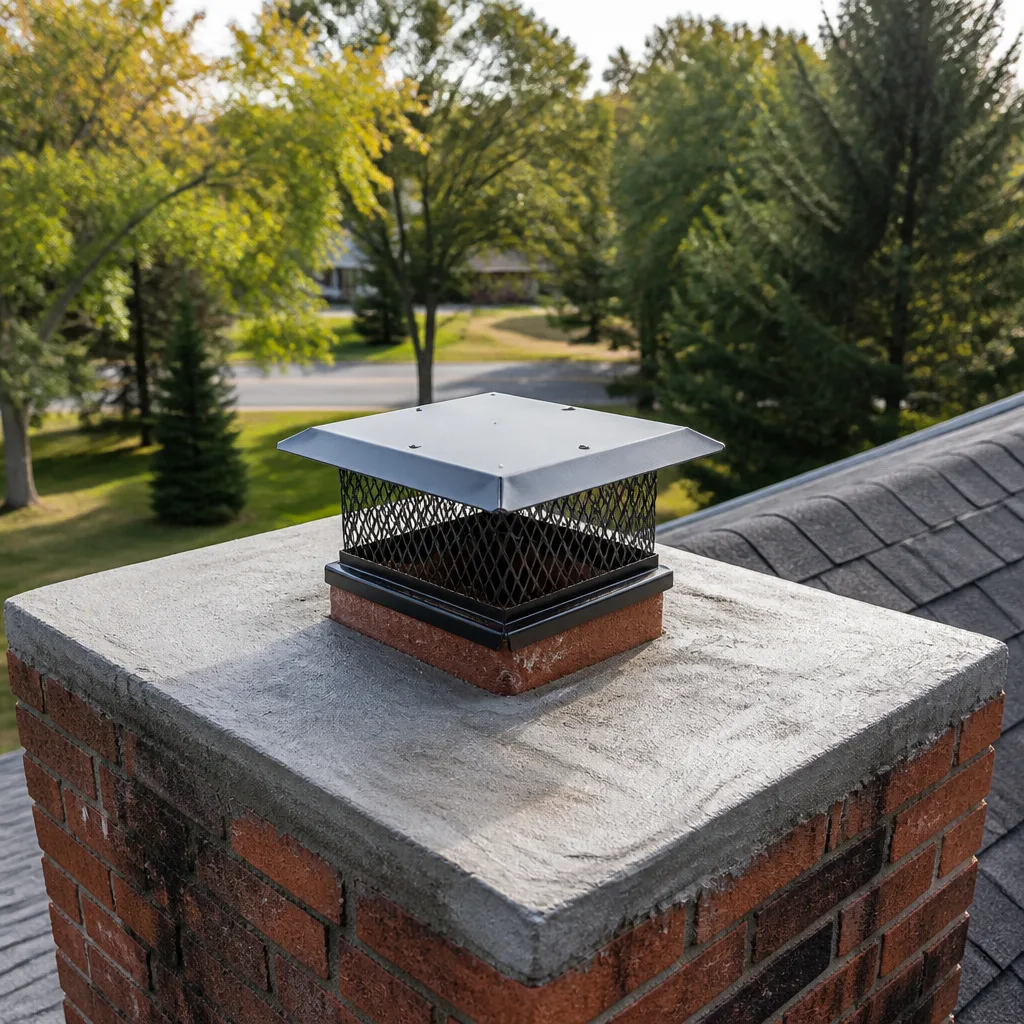
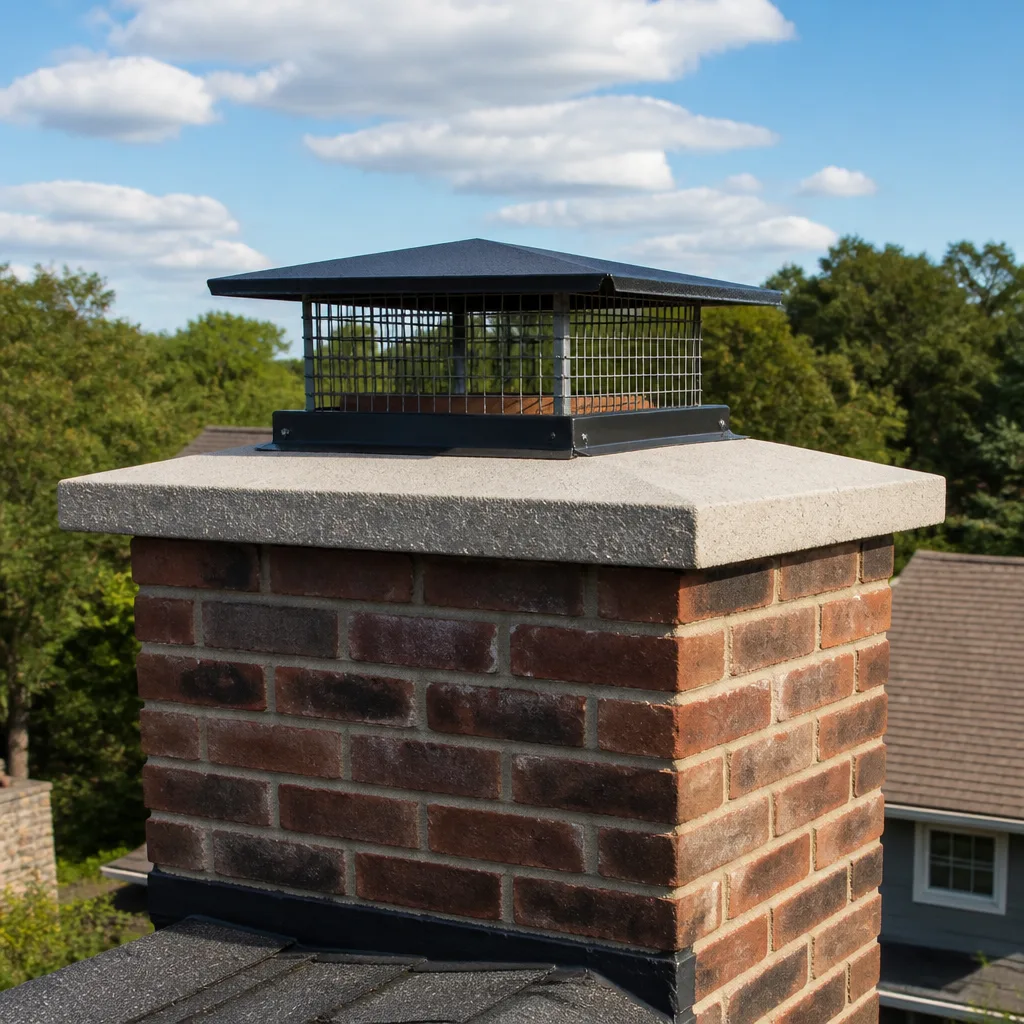
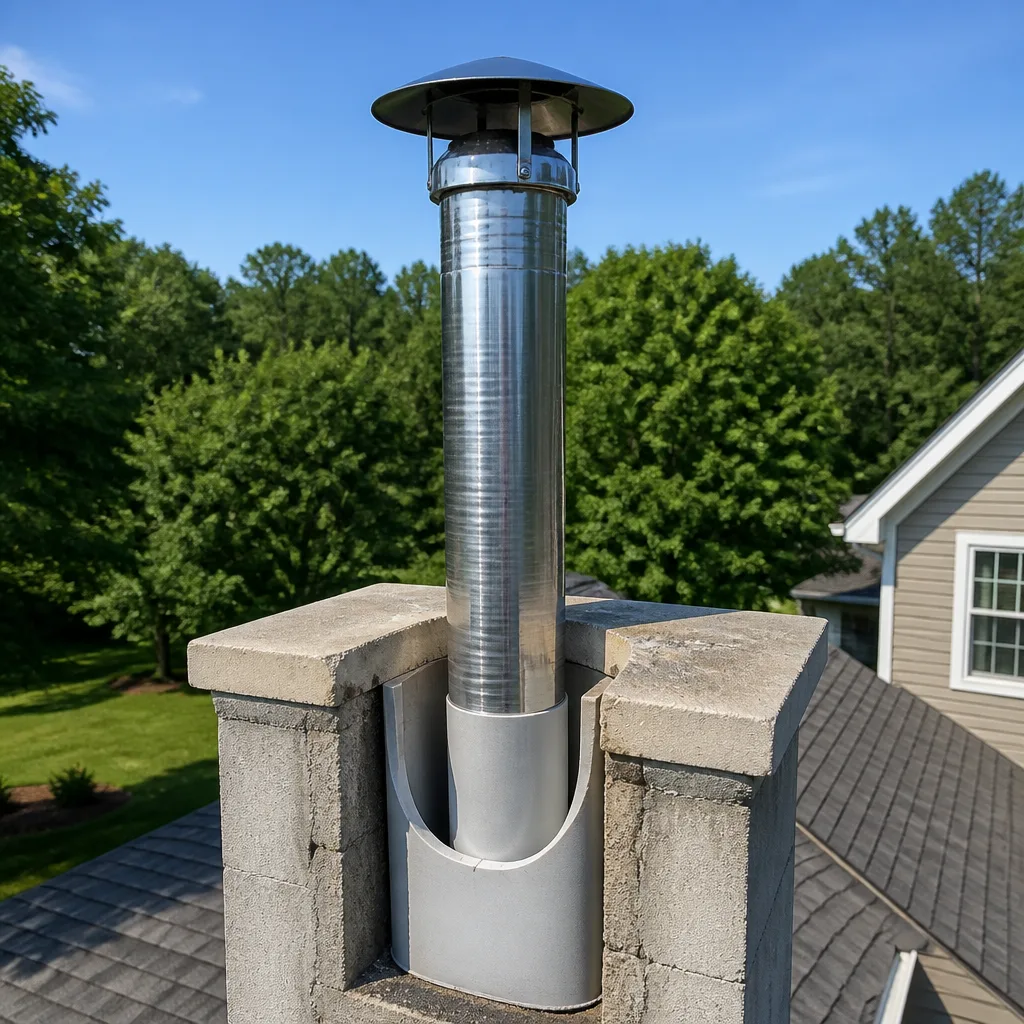
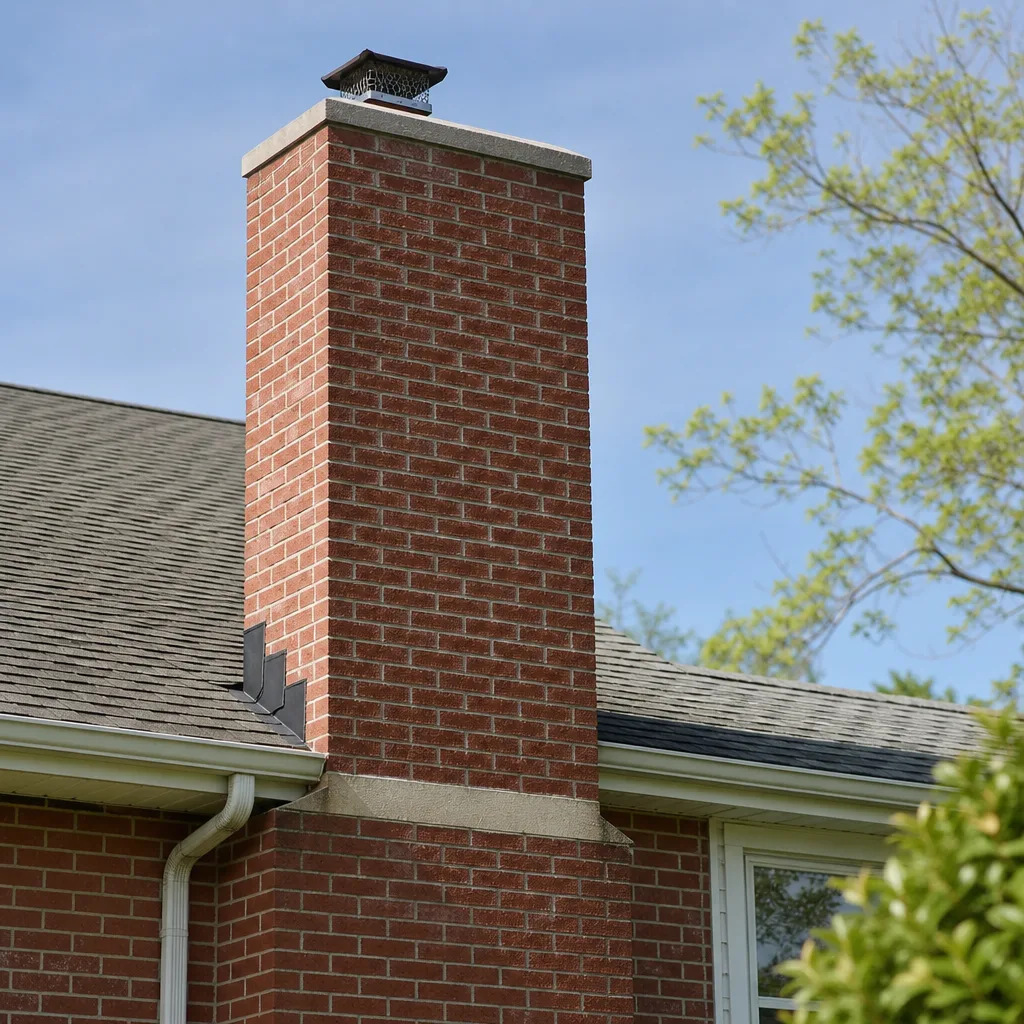
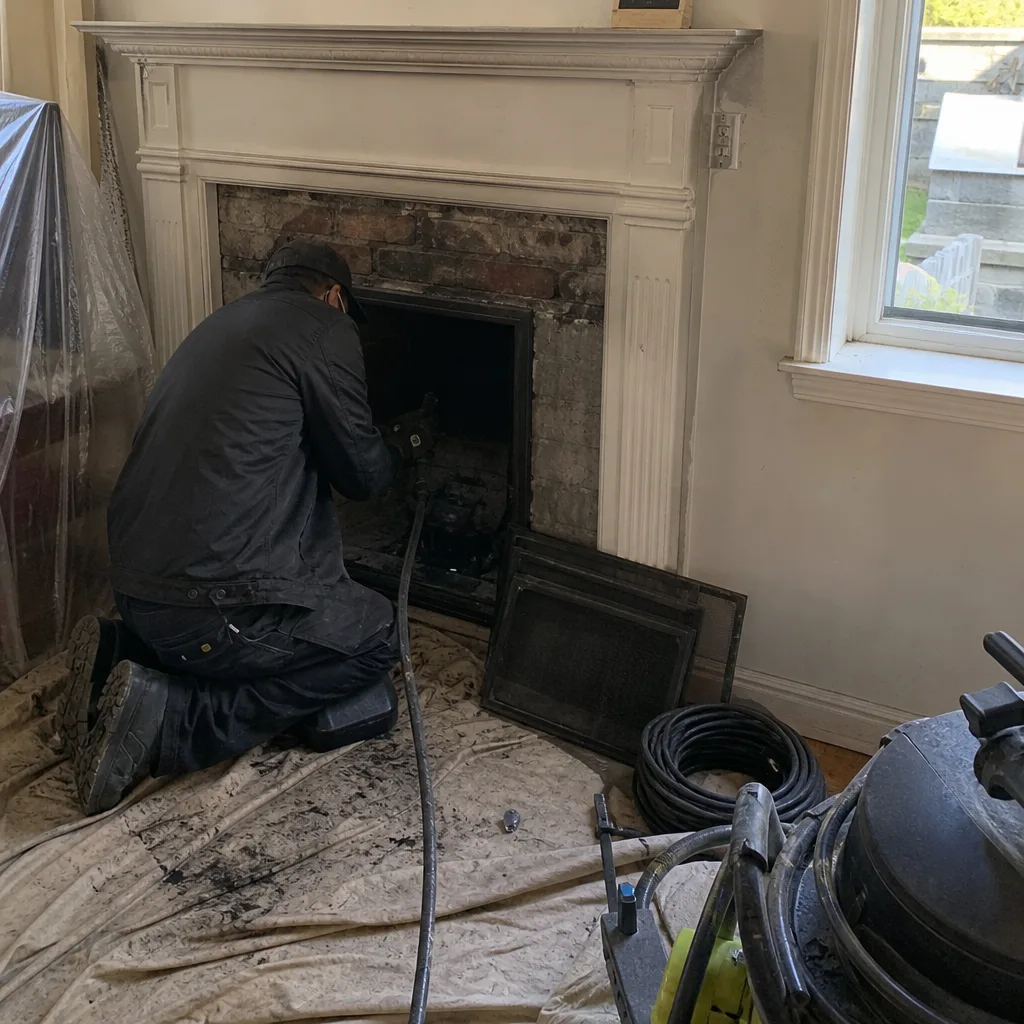 Before
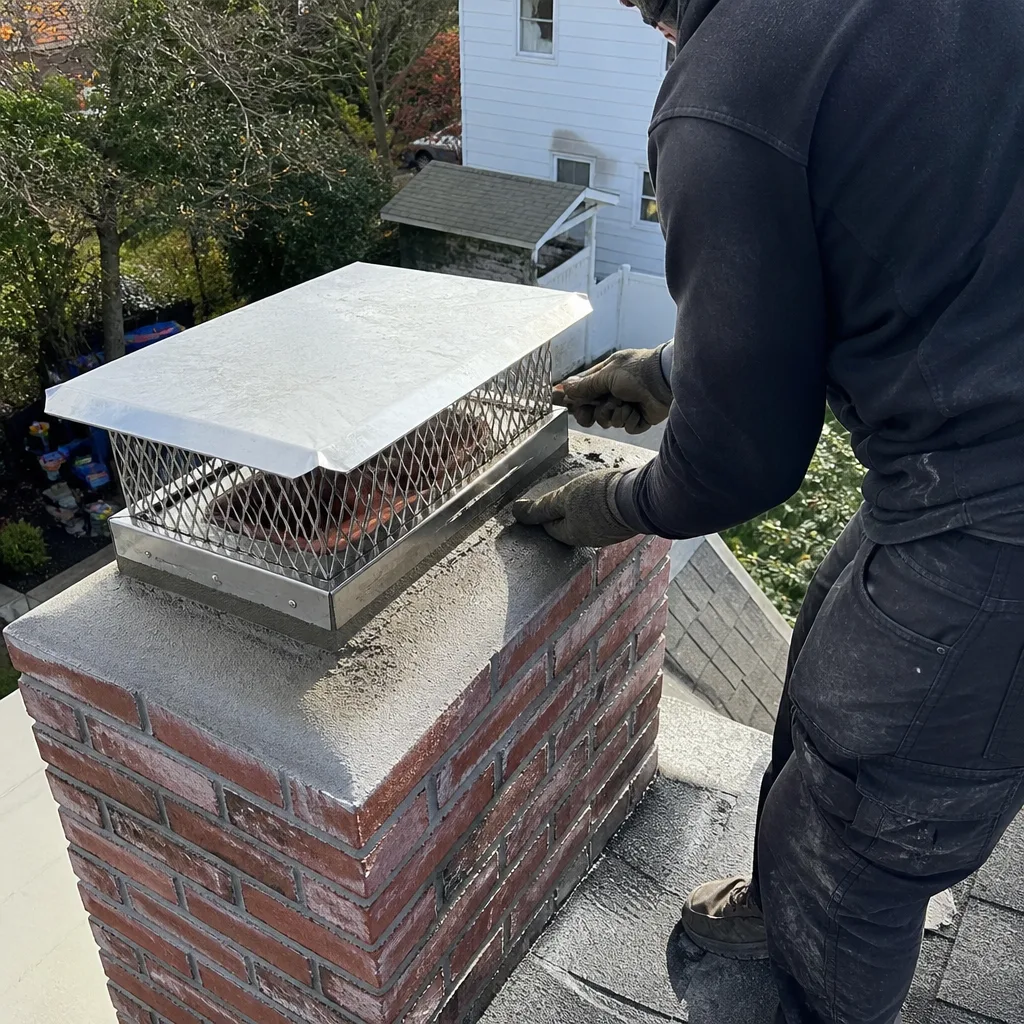 After
After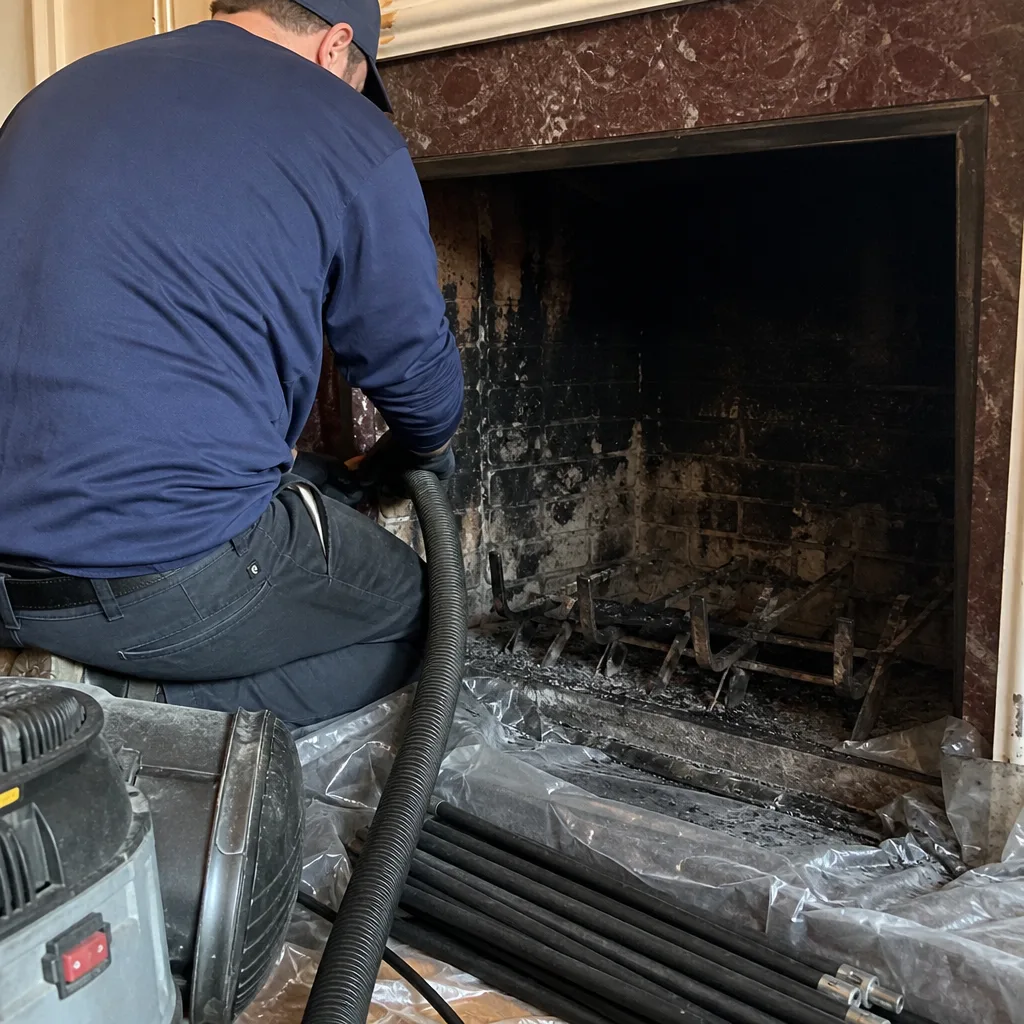 Before
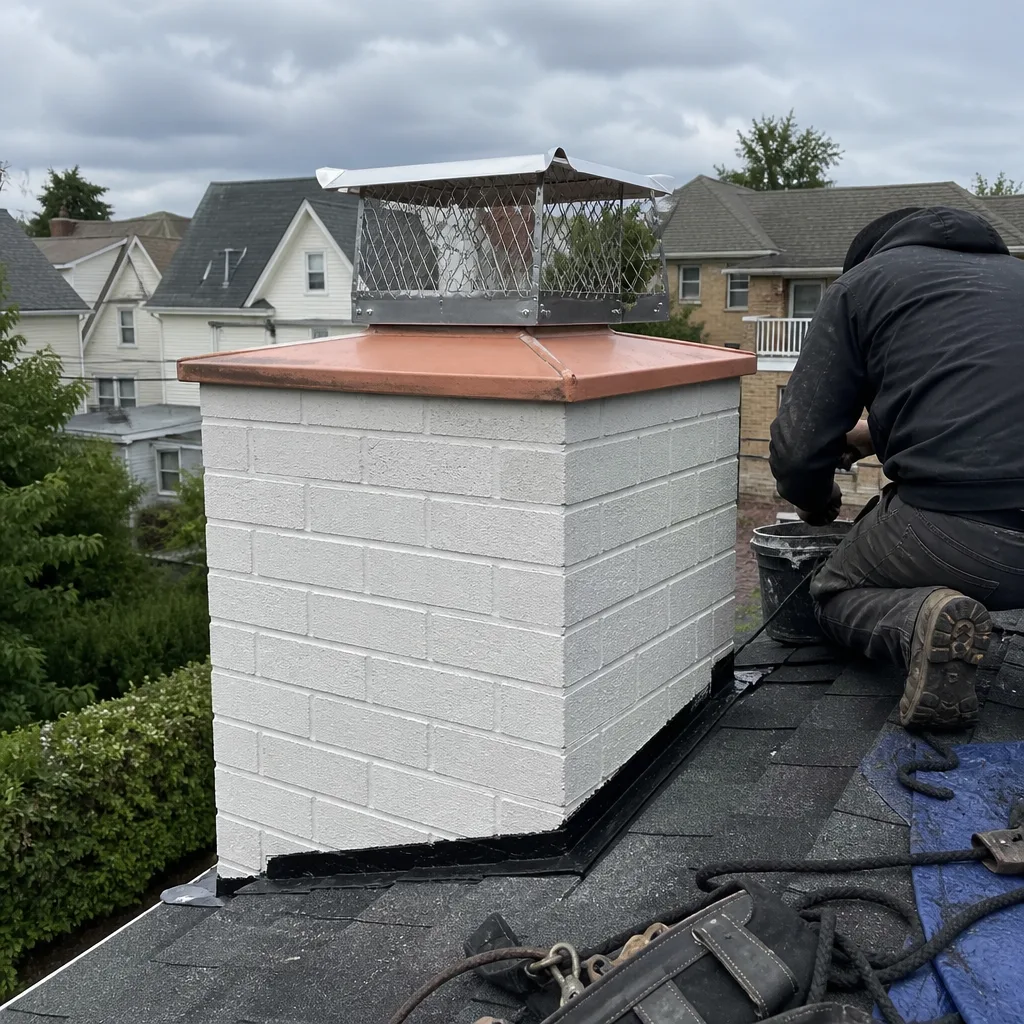 After
After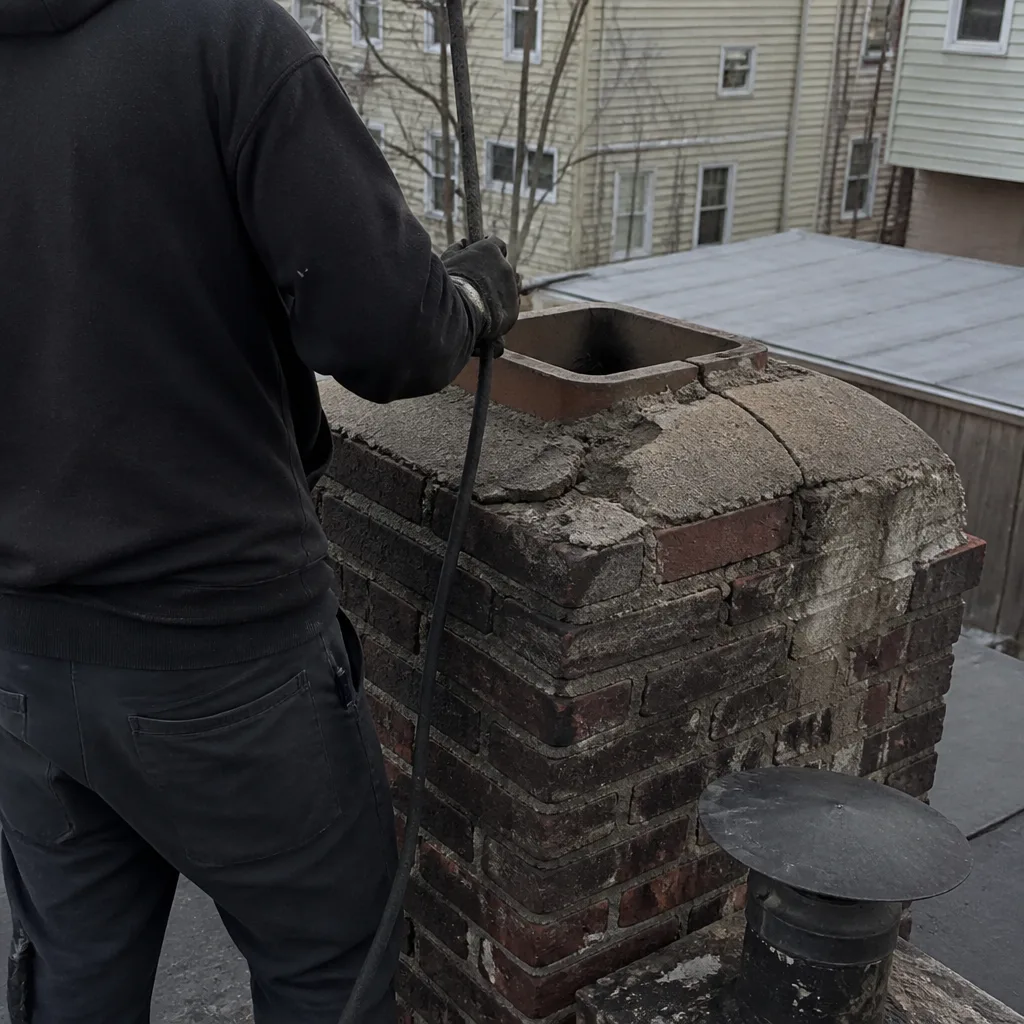 Before
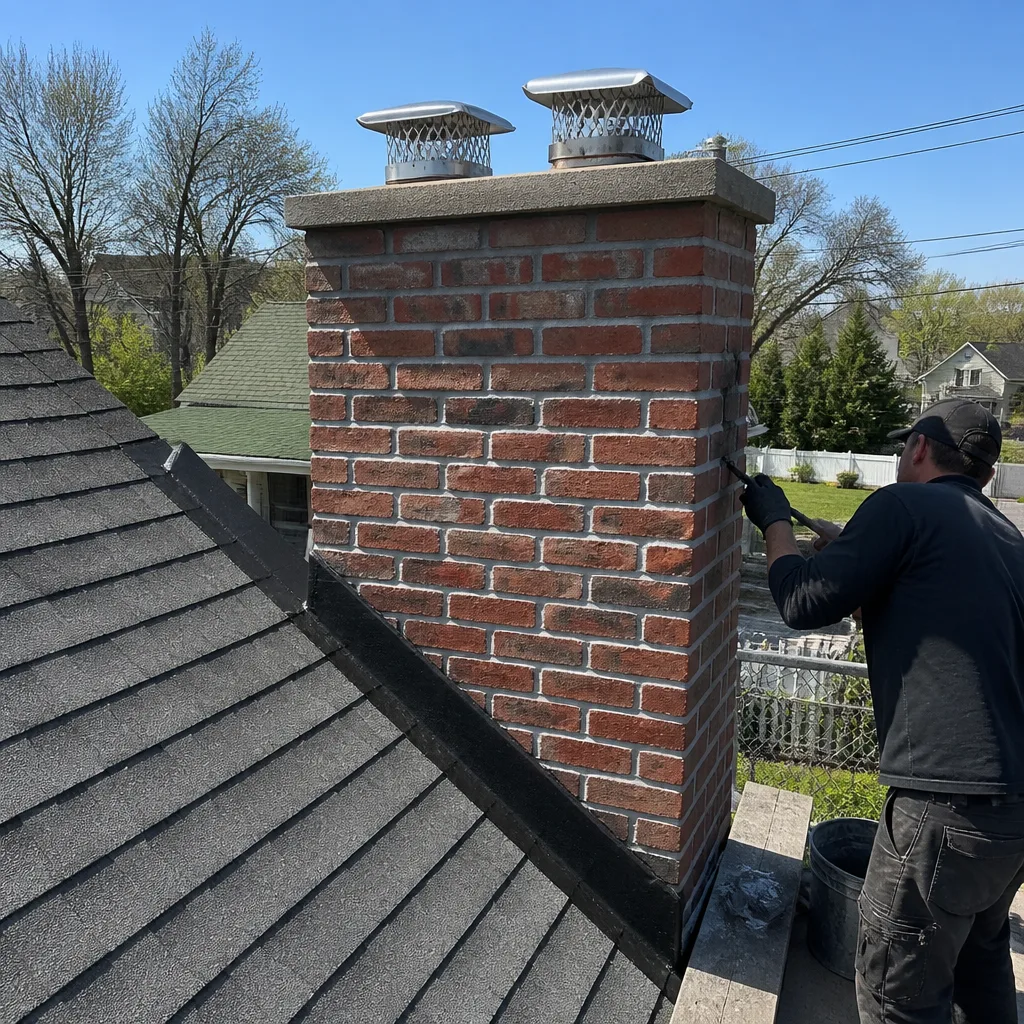 After
AfterCreosote Removal in Astoria, NY
Creosote removal in Astoria typically runs between $150 and $500, depending on how much has built up and how far it has progressed. Most level-one and level-two jobs are finished in a single visit, and we give you the price before a single tool comes off the truck. If you’re already smelling something sharp and tarry when the fireplace is running, that’s your flue telling you it’s time.
Top Hat Chimney has been doing this work in Queens since 1999. Wendell Pike has personally swept more chimneys in this borough than most outfits have swept in their entire lifetimes, and creosote removal is, without question, the job that matters most. The national services love to sell you a “$49 inspection” and then quote a frightening number once they’re on the roof. We don’t do that. You get upfront pricing on the phone, and that number is the number on the invoice – every time, no exceptions.
If you want to understand what’s going on in your flue before it becomes an emergency, start with our Chimney Cleaning & Sweep in Astoria page. If you already know you’ve got a creosote problem, call us directly at (929) 822-6306 – a live person picks up, around the clock.
Why Creosote Builds Faster in Astoria Than You’d Expect
Astoria is a dense neighborhood. Brick rowhouses and two-family homes packed tight on lots that were laid out before World War II. That matters for your chimney because a lot of these flues are narrower than modern code recommends, and the liner condition in many of them hasn’t been touched since the Reagan administration. A flue that’s slightly undersized, or one with a cracked tile liner, creates exactly the low-draft, cool-exhaust conditions that turn smoke into creosote faster than a properly sized, intact system would.
Winters here are damp. When cold, moist air sits in a flue that hasn’t been burned regularly, condensation mixes with any residue already on the walls and starts forming that sticky second-degree glaze before the homeowner even realizes they have a problem. In Ditmars-Steinway and Astoria Heights especially, we see older masonry chimneys that have been converted from oil heat or coal – flues that were never meant to vent a wood-burning fireplace but are now doing exactly that. The mismatch speeds everything up.
The other Astoria-specific factor is burning habits. Pellet stoves and gas inserts are common in this part of Queens, but plenty of residents burn wood in traditional fireplaces through the winter, using whatever is available – and not always kiln-dried hardwood. Wet or green wood burns cooler, produces more smoke, and deposits creosote at a significantly higher rate than properly seasoned oak or hickory.
The Three Degrees – and Why the Difference Matters
Not all creosote is the same, and treating it like it is will get you into trouble.
- First-degree creosote is dry, flaky, and dusty. It’s the stuff a good chimney brush removes in one pass. If you’re burning dry wood and getting your flue swept once a year, this is usually what’s in there.
- Second-degree creosote is harder – a crunchy, tar-like layer that has started to dry and harden on the flue walls. A brush alone won’t touch it. We use rotary tools and chemical treatments to break it down before brushing. This is where most neglected Astoria flues land after two or three missed seasons.
- Third-degree creosote is the one nobody wants to hear about. It’s a thick, glazed coating – almost like a varnish – and it is extremely flammable. A chimney fire burning through third-degree creosote can reach temperatures above 2,000 degrees Fahrenheit. At that point you’re not just looking at a cleaning job; you’re looking at liner inspection, possible HeatShield restoration, and a serious conversation about what happened to the masonry. Third-degree is not a DIY situation under any circumstances.
First-degree creosote is a brush job. Third-degree is a glaze – catch it early.
When You Need Creosote Removal
These are the signs that tell us it’s time, without waiting for the annual sweep date:
- A sharp, tar-like smell inside the house, especially when the fireplace isn’t in use. Creosote off-gasses even when cold. If you’re catching that acrid odor on a warm day with the damper closed, buildup is almost certainly the source.
- Oily black stains around the damper or firebox opening. When creosote is thick enough to drip, it has passed the first-degree stage. Wipe the damper plate and look at what comes off on your rag.
- Reduced draw or smoke rolling back into the room. Heavy buildup narrows the flue diameter. Less space means less draft. If your fireplace is suddenly smoking up the living room, creosote restriction is one of the first things to check.
- You haven’t had a sweep in two or more years. In Astoria, where many fireplaces are used from October through March and where flue conditions are often less than ideal, two years without a sweep is long enough for second-degree deposits to form on a regularly used fireplace.
- You heard or felt a rumble in the chimney. That is a chimney fire. It can sound like a freight train or a low roar. Even a small, self-extinguishing chimney fire changes the flue – you need a camera inspection and creosote assessment before the fireplace gets used again.
- You just bought a rowhouse or two-family in Astoria and don’t know when the chimney was last serviced. Pre-purchase records on Queens fireplace maintenance are often nonexistent. Don’t assume. A $150 sweep is a small number next to what a liner replacement costs.
Our Creosote Removal Process
- Camera inspection first. Before any brushing or treatment begins, we run a camera through the flue. This tells us what degree of creosote we’re working with, whether the liner is intact, and whether there are any structural issues that would change the scope of the job. You see the footage. We give you a plain-English verdict – no upsell, no doom-and-gloom to justify a bigger ticket.
- Protect the living space. Drop cloths go down, the firebox gets sealed with a dust containment system, and we make sure nothing from the flue ends up in your home. Astoria rowhouses have narrow hallways and hardwood floors that don’t respond well to soot. We treat the space accordingly.
- Mechanical removal for level-one and level-two deposits. For first-degree creosote, this is a top-down brush sweep with HEPA vacuuming. For second-degree, we bring in rotary power cleaning equipment that breaks the hardened layer off the liner walls, followed by a thorough brush pass and vacuum. The combination gets what a brush alone can’t touch.
- Chemical treatment where needed. On heavier second-degree buildup, we apply a professional-grade creosote modifier that conditions remaining residue and helps keep new deposits from bonding as aggressively on the next burn season. We use products vetted by the Chimney Safety Institute of America and in line with what the industry’s leading supply partners recommend.
- Post-removal camera verification. We run the camera again. You see before and after. If there’s a section that needs a second pass, we do it. The 90-Day Done Right Promise means if something wasn’t right, one call brings us back – in writing, on every job.
- Written report and honest next-step advice. If the liner looks good, we tell you. If there are cracks that need HeatShield resurfacing or tiles that are ready to fail, we show you in the footage and give you options. No pressure. You know what’s there, and you decide what to do with that information.
Creosote Removal Pricing in Astoria
Here is what creosote removal actually costs in the Astoria market. These are real ranges based on the work we do here, not teaser prices that balloon once we’re on the roof.
| Service | Typical Price Range |
|---|---|
| Level-one creosote removal (dry, flaky deposits, single flue) | $150 – $225 |
| Level-two creosote removal (hardened deposits, rotary equipment) | $275 – $450 |
| Level-three creosote removal / glaze treatment (heavy restoration) | $450 – $700+ |
| Chemical creosote modifier application (add-on) | $60 – $95 |
| Camera inspection (included with removal; standalone) | $85 – $120 |
What moves the number up or down: flue length (Astoria rowhouses often have two-story flues with offsets), liner material and condition, degree of buildup, and whether the job requires staging on a shared party wall. We tell you what the job costs before we start. If we open the flue and find more than the phone conversation suggested, we stop and talk to you before proceeding.
Standing offers that apply here: $40 off any repair over $200. Seniors and veterans always get 10% off. If you’ve received a written estimate from another chimney service, we’ll give you a free second opinion – no charge, no obligation.
Call (929) 822-6306 for an exact quote. The estimate is free.
What Happens If You Leave It
Creosote doesn’t stay put. It accumulates season over season, and each layer is harder to remove than the one before it. A flue that has first-degree deposits in October becomes a second-degree problem by February if you’re burning through the winter. Leave that for another year and you’re looking at third-degree glaze, which in a worst case means a chimney fire.
Chimney fires in dense Astoria rowhouses are not an isolated problem. The walls are shared. Flames and superheated gases that breach a liner in one unit can travel through mortar joints into the flue of the home next door. We’ve seen this scenario in older attached housing in this neighborhood, and it’s the reason we don’t soft-pedal the third-degree conversation when the camera shows what it shows.
The other long-term cost is the liner itself. Repeated creosote fires degrade clay tile liners. HeatShield restoration can save a liner that has hairline cracks and light spalling, but once a tile fails structurally, you’re looking at a full reline. A stainless DuraFlex liner system runs significantly more than a cleaning. The math on doing the maintenance consistently is easy.
FAQs – Creosote Removal in Astoria
How often does creosote need to be removed in Astoria?
Once a year is the baseline the Chimney Safety Institute of America recommends, and we agree with it. If you burn wood regularly from October through March – which is a typical Astoria winter season – an annual Chimney Cleaning & Sweep before the heating season starts will catch first-degree deposits before they have a chance to harden. If you burn more than three to four cords of wood a year, or if you use wet or green wood, consider twice-yearly sweeps. Your flue doesn’t care how the fire looks; it cares how it breathes. Call (929) 822-6306 and we can talk through your burning habits and tell you what makes sense for your specific setup.
Can I remove creosote myself with store-bought products?
Chimney cleaning logs and powder treatments sold at hardware stores can help condition first-degree deposits between professional sweeps, but they are not a substitute for mechanical removal. They do not remove creosote – they treat it chemically to make it more brittle and easier to brush out. For second-degree and third-degree buildup, those products won’t get the job done, and using them without knowing your liner condition can actually dislodge material into the flue in a way that increases the fire risk. If your deposits have hardened beyond the flaky first stage, please call a trained sweep. Third-degree creosote specifically – the glazed kind – involves work close to a very flammable surface and should not be attempted by a homeowner under any circumstances. Call (929) 822-6306 and we’ll tell you honestly what you’re dealing with after a look.
How much does creosote removal cost in Astoria, NY?
Level-one removal (dry, flaky deposits on a single flue) runs $150 to $225 in this market. Level-two (hardened deposits requiring rotary equipment) runs $275 to $450. Third-degree glaze treatment starts around $450 and goes up depending on flue length and liner condition. The camera inspection that tells us which category you’re in is included when you book a removal with us. Call (929) 822-6306 for a free estimate – the number we give you on the phone is the number on the invoice.
Will creosote removal smell up my house?
There is typically a brief, faint odor during the job – unavoidable when you’re disturbing tar-based deposits inside a flue. We use full dust containment and HEPA vacuuming to keep airborne material out of your living space. The smell dissipates within a few hours after the job is complete, and in our experience Astoria homeowners find it far less intrusive than they expected. If you have sensitivities, open a window on the floor above the fireplace and run a fan. We’ll tell you exactly what to expect before we start.
Why Astoria Homeowners Call Top Hat Chimney
Wendell Pike has been working in Queens since 1999. Over 29 years in this business means he has seen what happens when a chimney goes unswept for a decade in a Ditmars rowhouse, when a new homeowner in Astoria Heights inherits a coal-converted flue with third-degree glaze, and when a well-meaning homeowner burns a box of chimney cleaning logs and thinks the job is done. He’s not going to tell you something needs doing when it doesn’t, and he’s not going to overlook something that does.
The 90-Day Done Right Promise means exactly what it says: if the work isn’t right, one call brings the crew back. That’s in writing on every job. No runaround, no call center, no waiting to see if someone calls back. The live person who answers at (929) 822-6306 at 11 at night may well be Wendell himself.
This is part of a broader commitment to honest chimney work across Queens. You can read more about the full scope of what we do on the Top Hat Chimney home page.
Ready to Book Your Creosote Removal?
If you’re in Astoria and you know it’s been more than a year since your last sweep – or if you’re smelling something you shouldn’t be smelling – don’t wait for a chimney fire to tell you what the camera would have shown in twenty minutes. Call (929) 822-6306 and get a free estimate. Upfront pricing, camera inspection included, and the 90-Day Done Right Promise on every job. Seniors and veterans always get 10% off, and $40 comes off any repair over $200. A live person picks up any time of day or night – give us a call.
Written by Wendell Pike, Owner at Top Hat Chimney, serving Astoria.