

Level 1 sweep and inspection to the NFPA 211 annual standard - flue, crown, cap, and flashing checked and photographed
Chimney sweep logs do not sweep chimneys. They loosen some creosote - which then falls where a brush and vacuum still have to collect it.
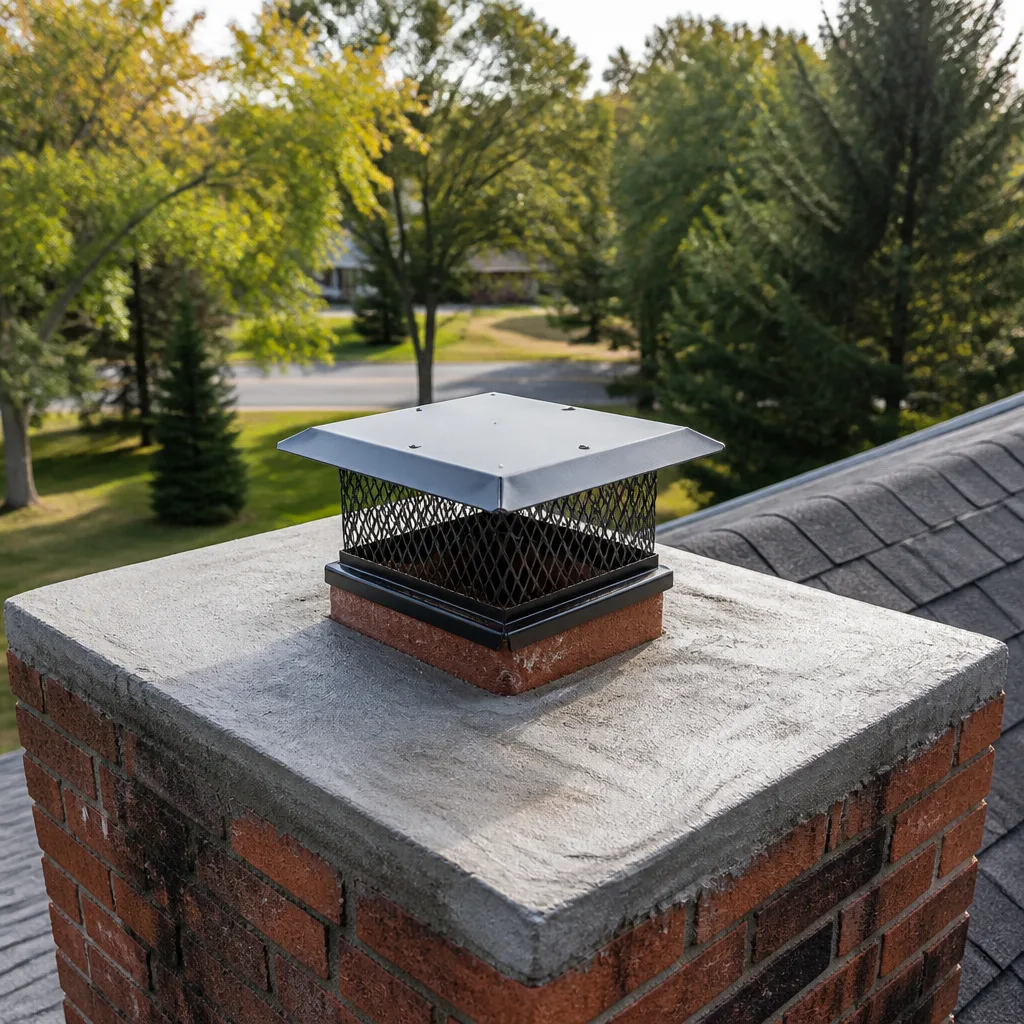
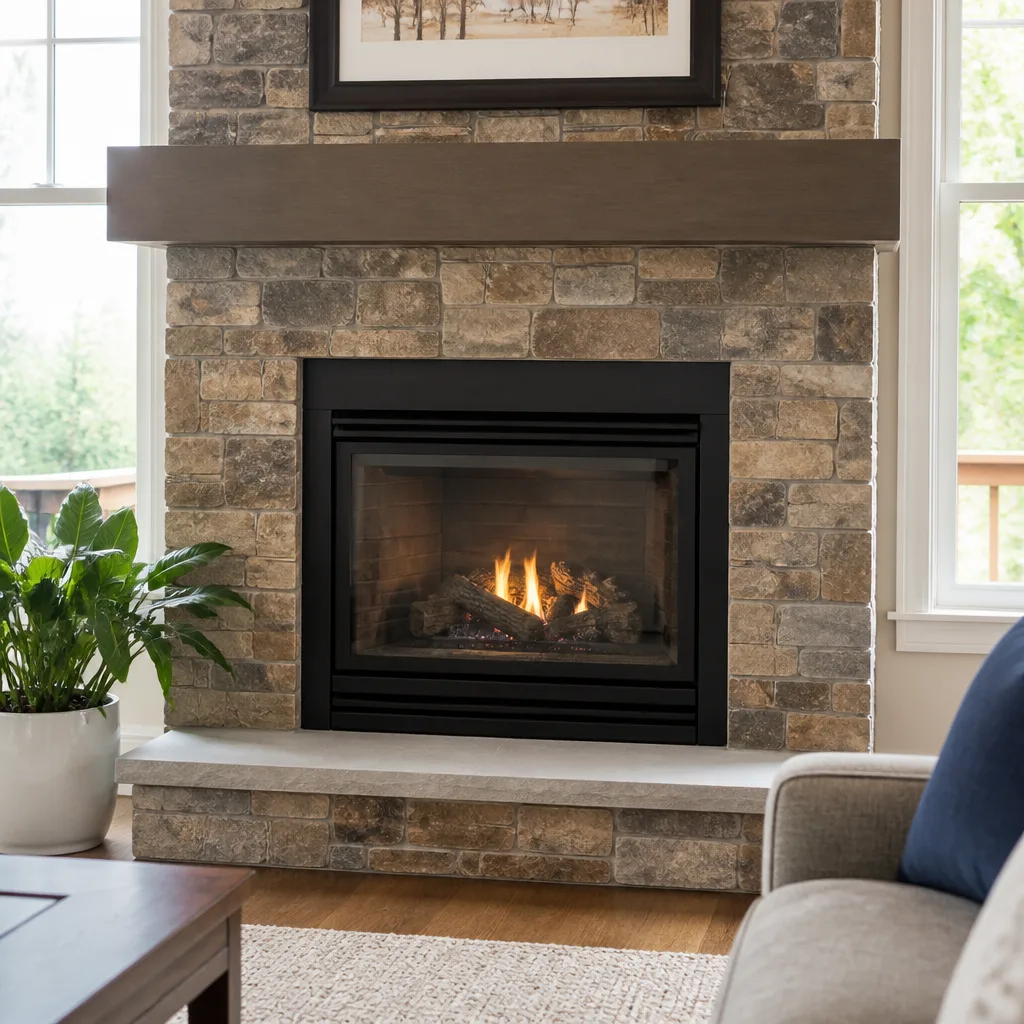
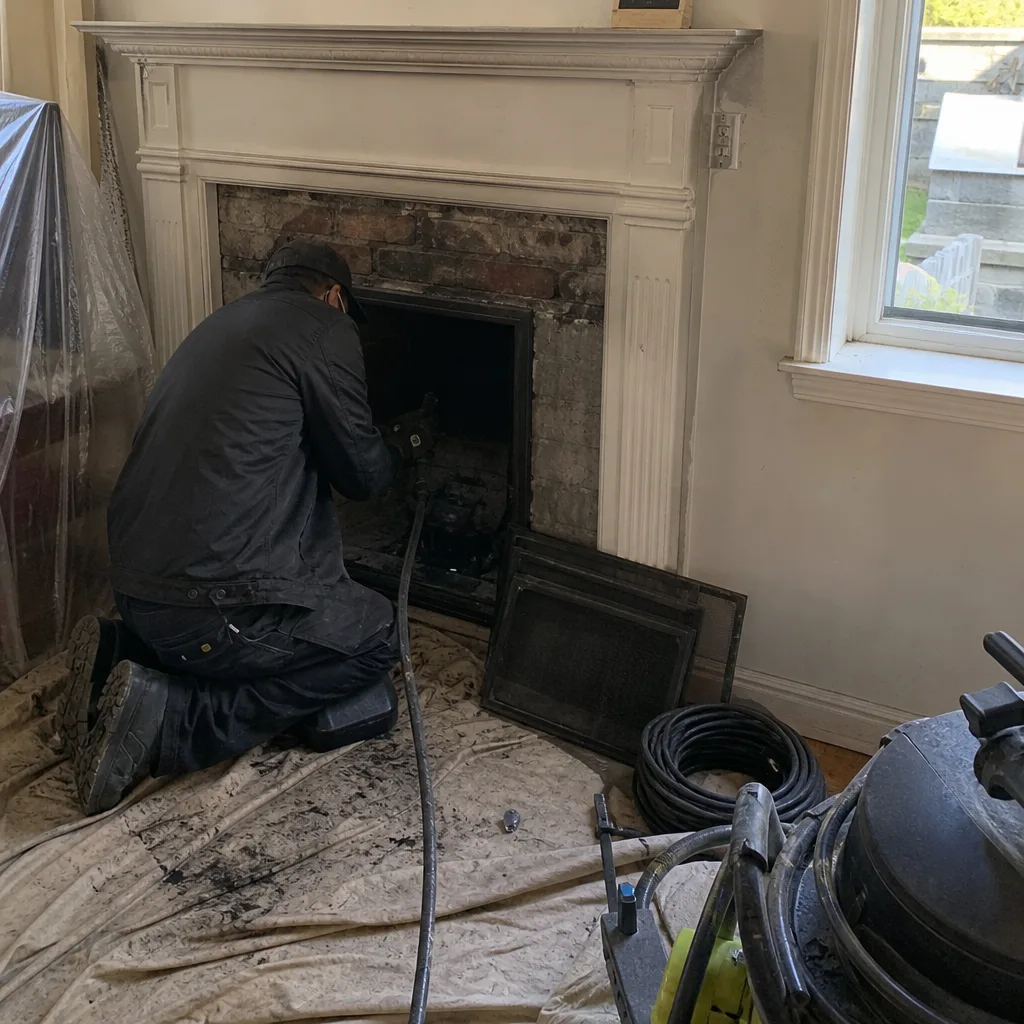 Before
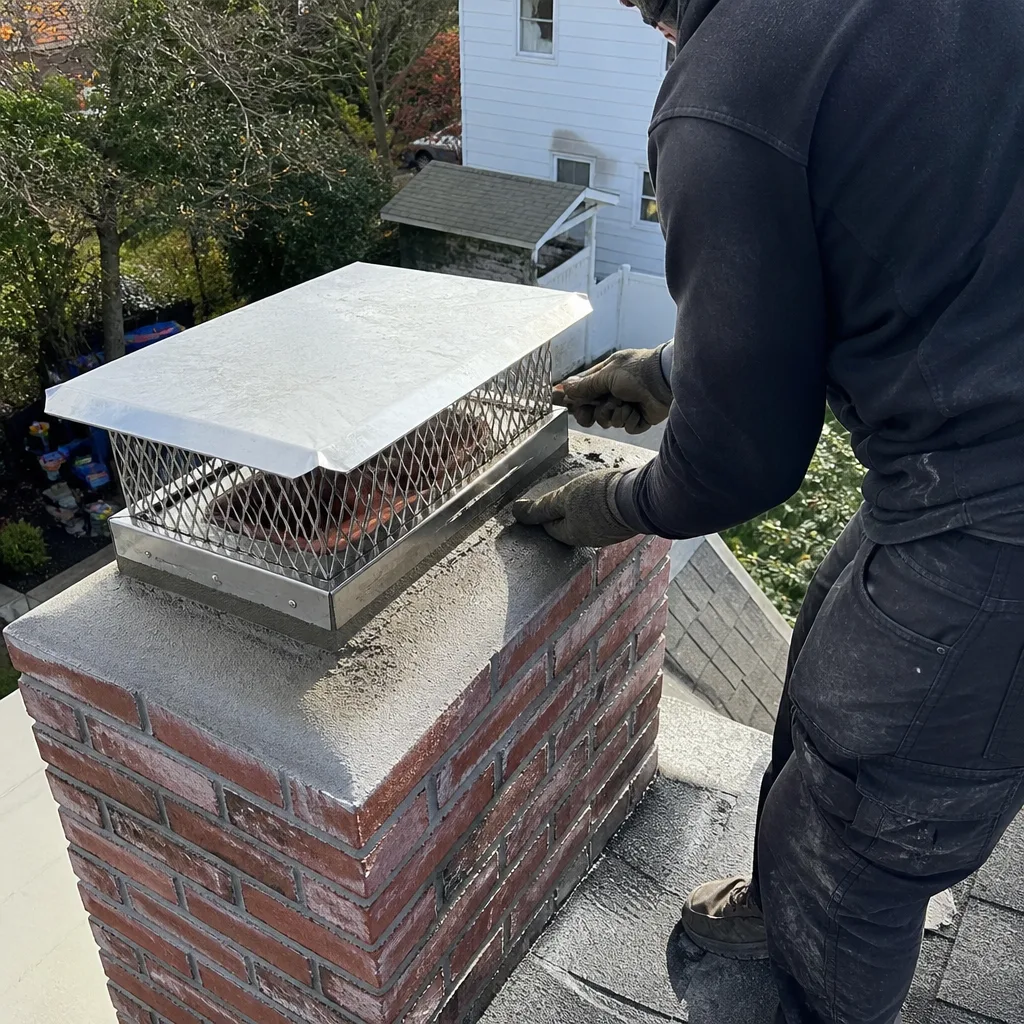 After
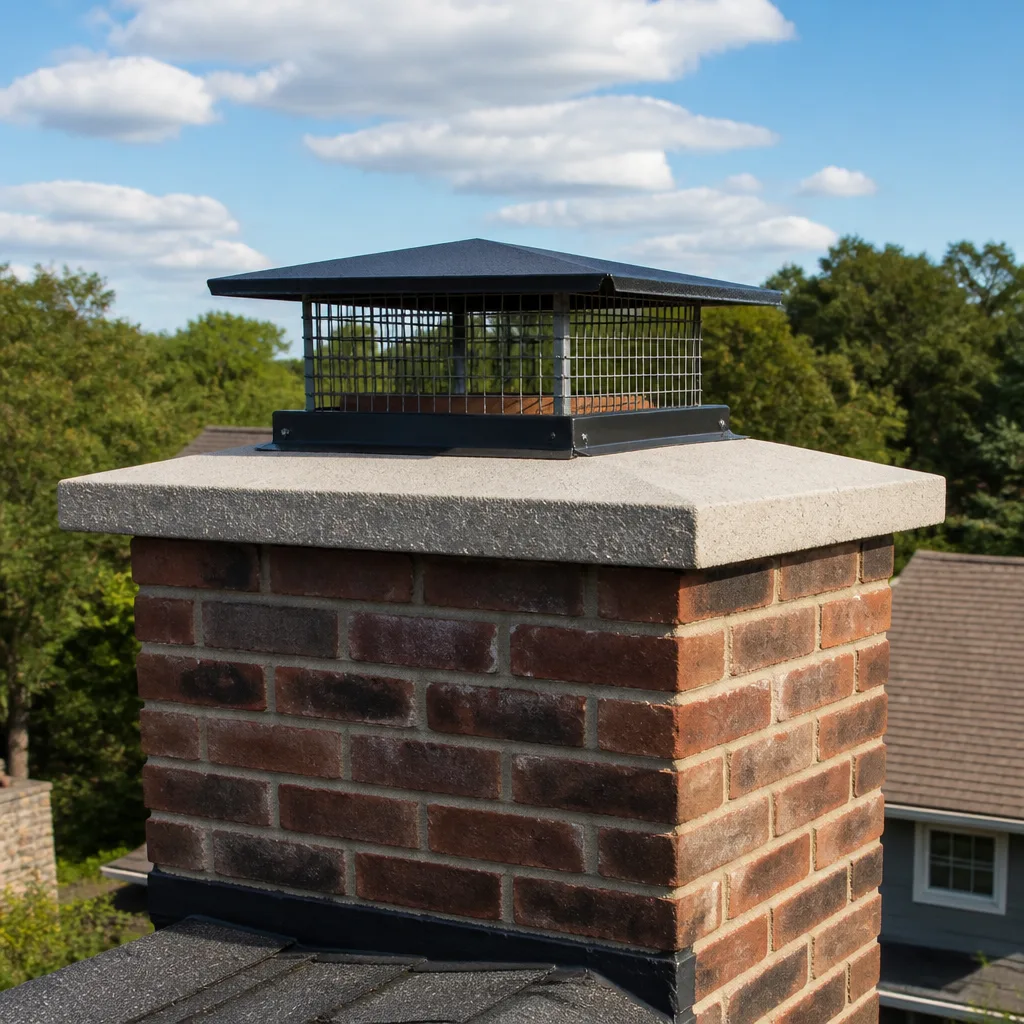
After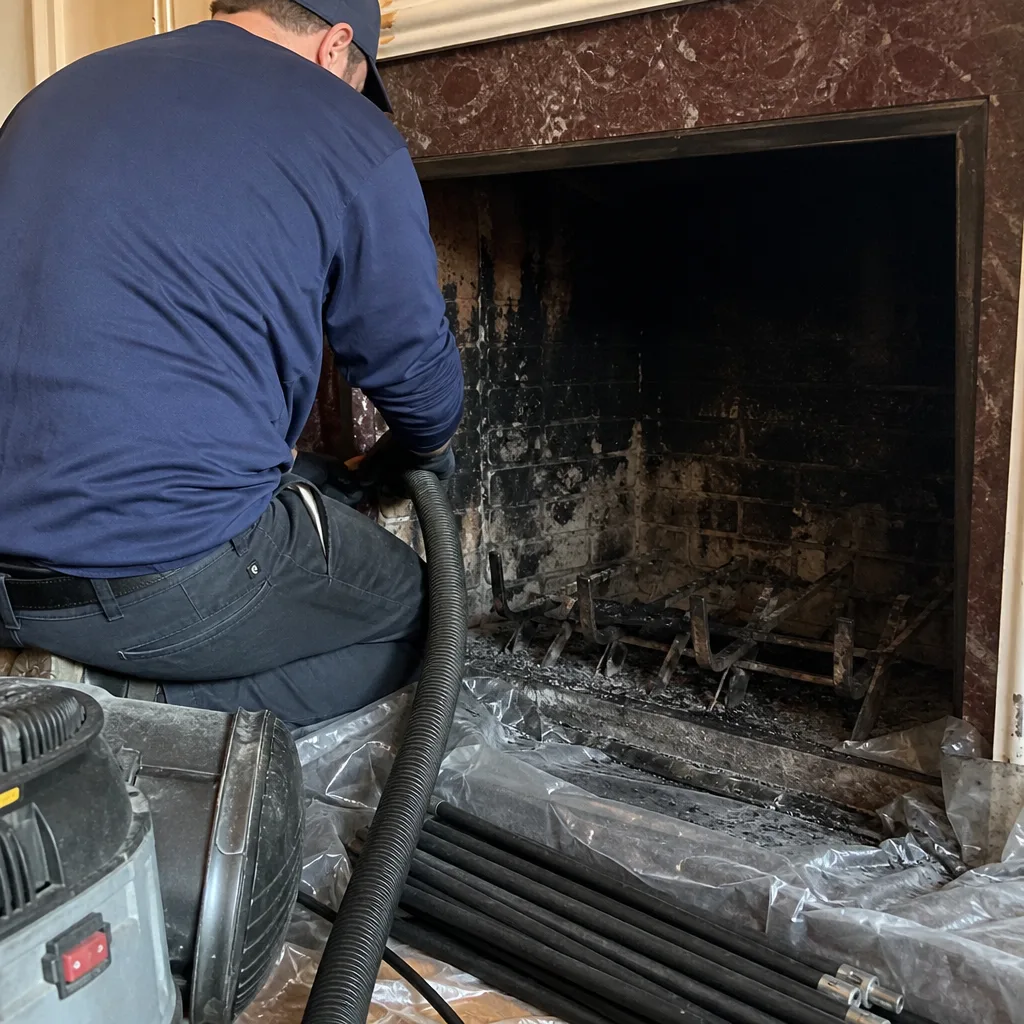 Before
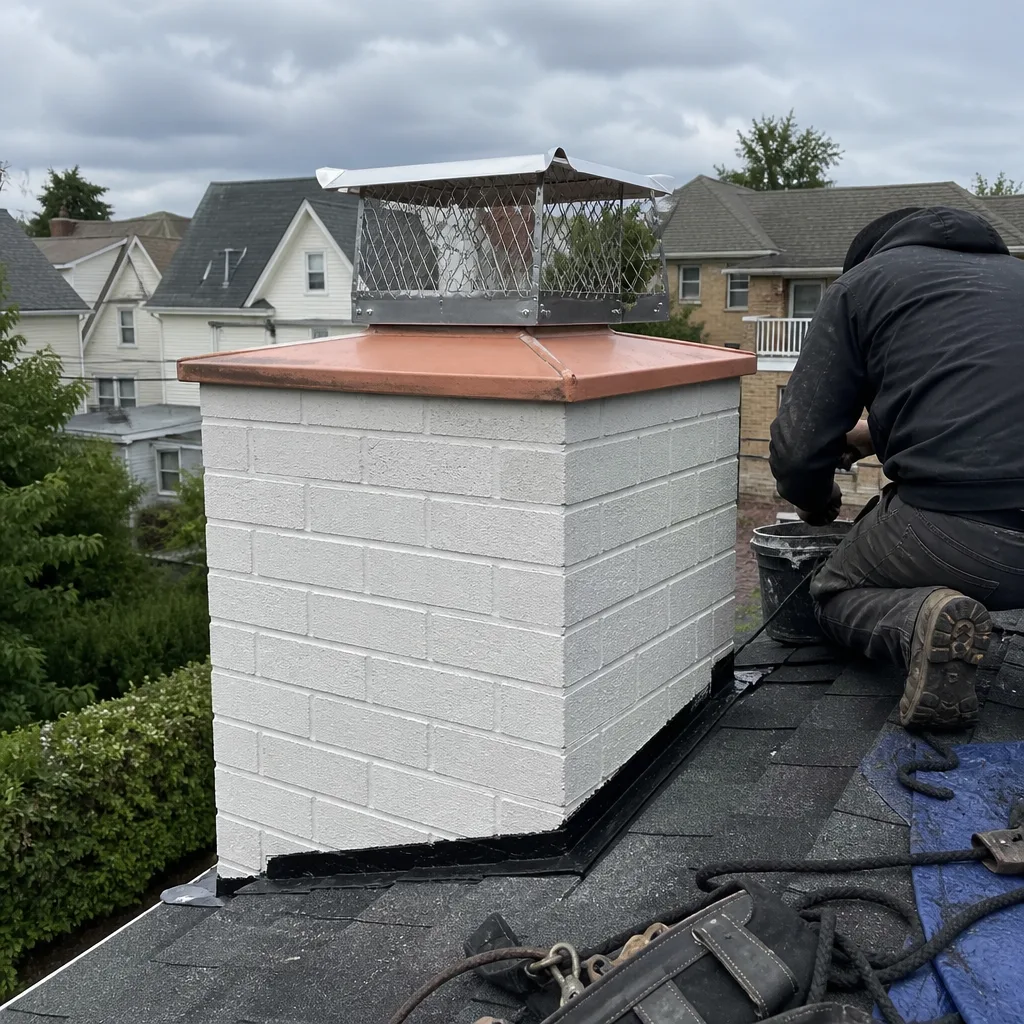 After
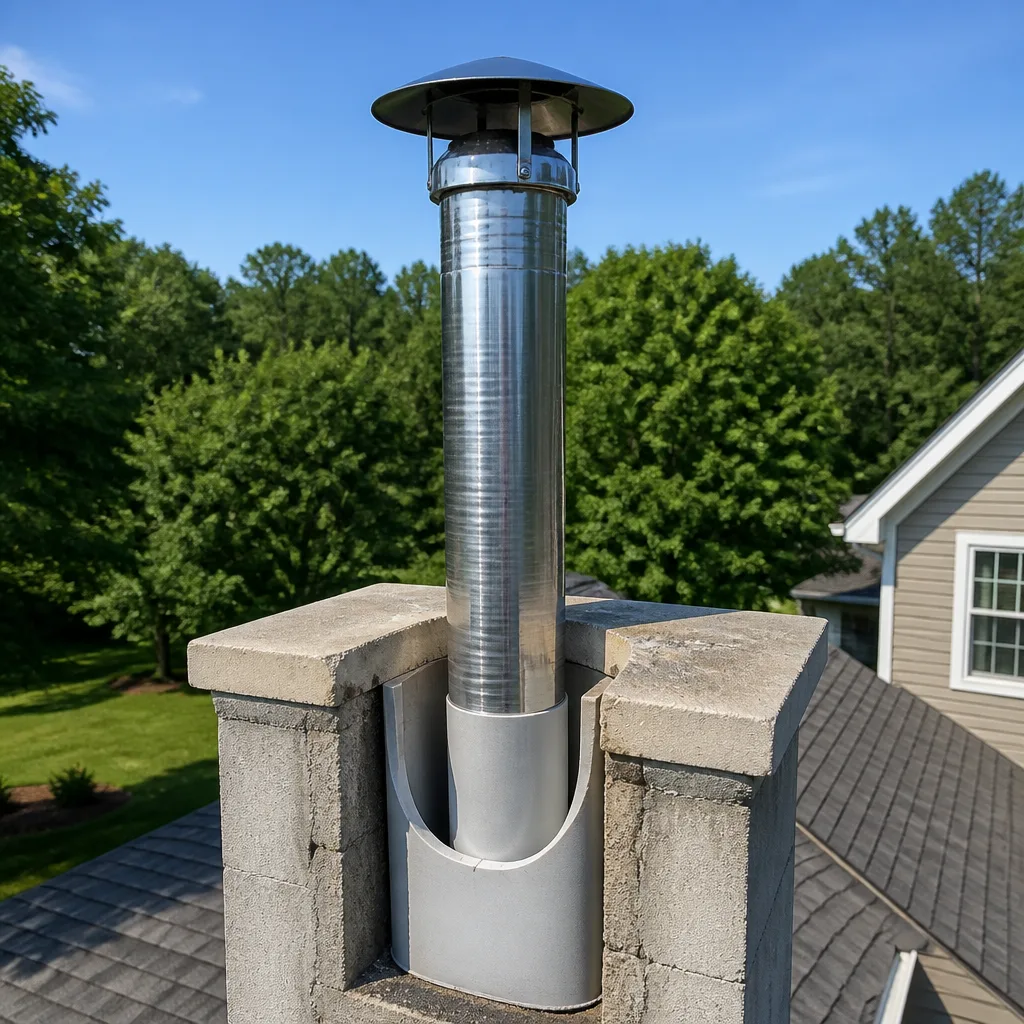
After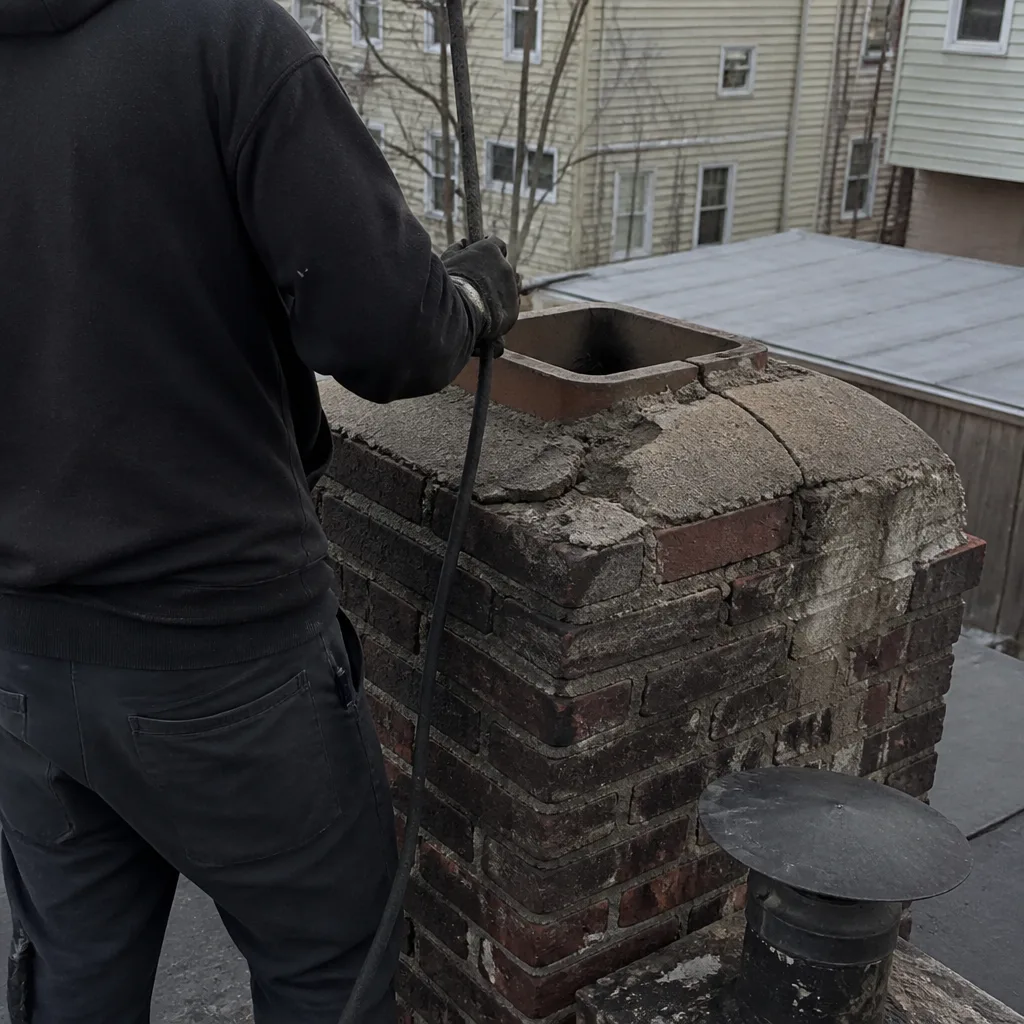 Before
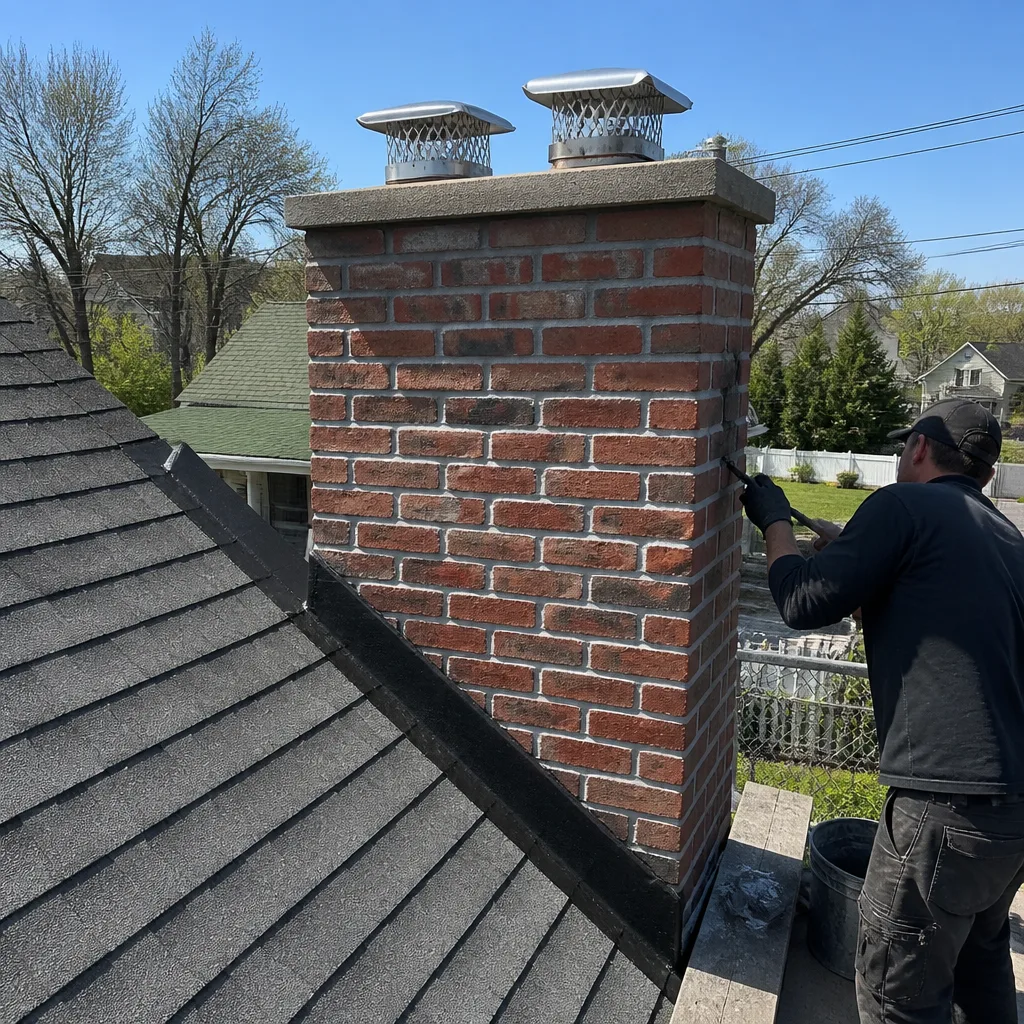 After
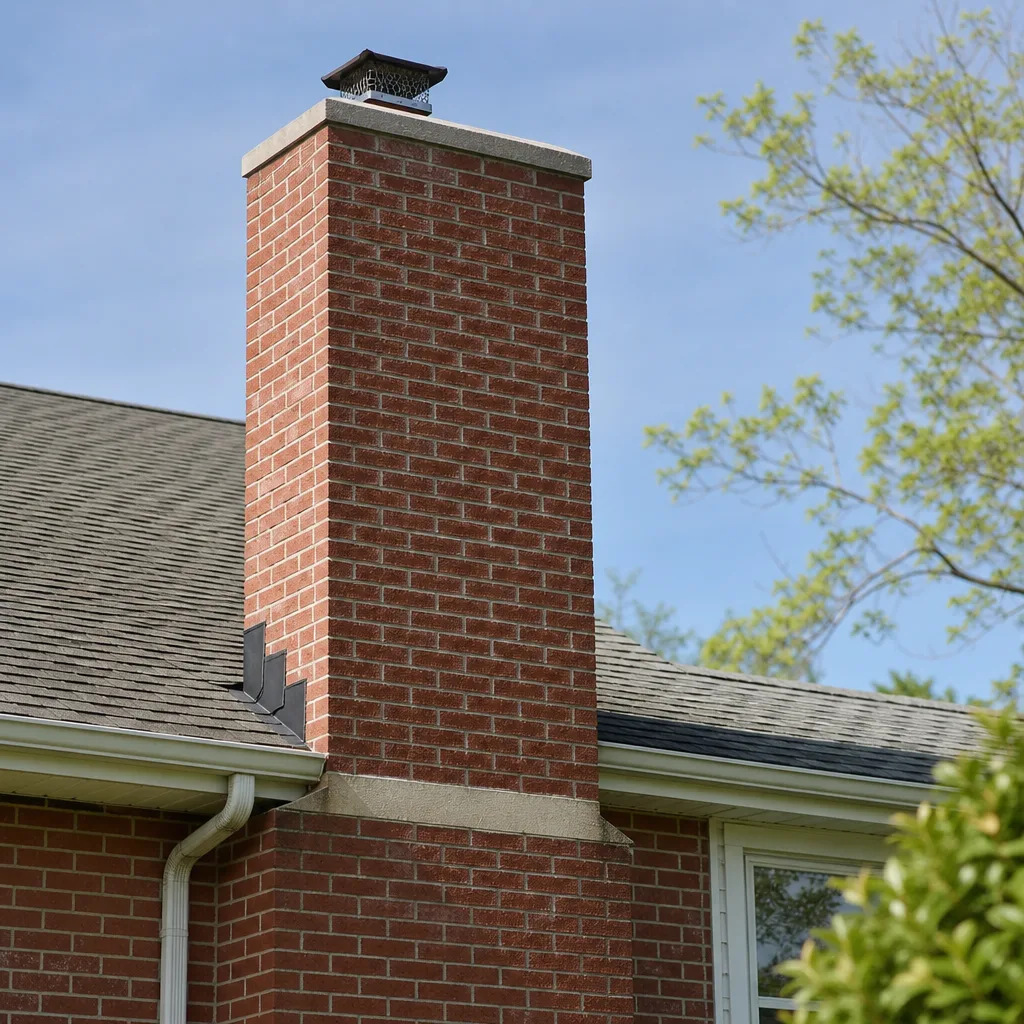
AfterFast, Reliable Fireplace Services Across Long Island City
Fireplace service in Long Island City usually costs between $150 and $400 for a standard gas fireplace tune-up or basic damper replacement, and $2,800 to $6,500 when an unlined coal-era flue needs a stainless liner and crown rebuild. That’s the honest range we quote over the phone before a single tool comes off the truck, and it’s the number on your invoice. Wendell Pike founded Top Hat Chimney in 1999 and has spent the decades since pulling cameras through more Long Island City flues than he can count. If your fireplace hasn’t been looked at in a few years, call (929) 822-6306. We’ll send a background-checked, uniformed sweep to your door with a real arrival window, and we call if that window slips.
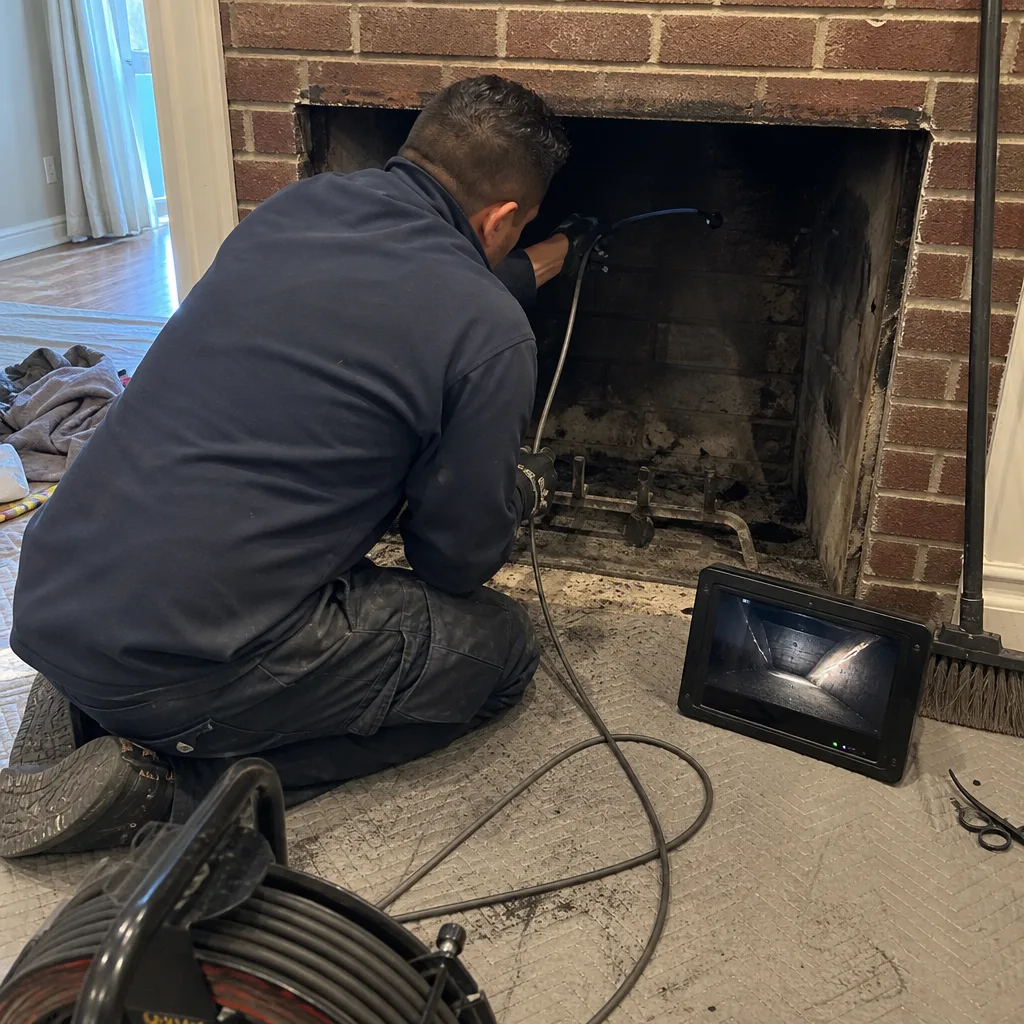
Long Island City chimneys fail differently than anywhere else in Queens. The westerly wind off the East River drives rain sideways into exposed crowns and flashing on the Hunters Point blocks, and the pre-war row houses built for coal were converted to gas without relining. That combination means our Fireplace Services team sees three problems over and over: corroded galvanized caps, cracked crowns, and oversized unlined flues condensing acidic moisture into brick. We’ll come out, camera the flue, show you the footage, and tell you plainly what needs doing and what can wait. Nothing gets recommended without proof you can see.
What happens when you call
- 1
A real person answersNo phone trees - you reach a local pro.
- 2
You get an upfront price rangeHonest numbers before anyone is dispatched.
- 3
A background-checked tech heads outLicensed & insured, dispatched right away.
- 4
You approve before work beginsNothing starts until you say go.
Why Top Hat Chimney Is Long Island City’s Preferred Fireplace Services Company
We’ve been sweeping chimneys in Long Island City long enough that Wendell runs into homeowners on Vernon Boulevard who remember him servicing their parents’ place. That’s what locally owned and owner-operated actually means here. Not a franchise that rotated in last spring with a van wrap and a phone-bank quote. Wendell’s name and license number are published on every job, and the 90-Day Done Right Promise is stamped on every invoice: if the work isn’t right, one call brings him back. No arguments, no call center, no chasing a national brand’s corporate office in another state.
Long Island City customers know the difference between a sweep who has looked into a hundred converted row-house flues on 45th Avenue and one who has looked at a training manual. Our reviews from Long Island City homeowners mention the camera footage we leave with every inspection and the plain-English verdict Wendell gives after every visit. That’s deliberate. The camera footage and a plain-English verdict, every time, no exceptions. You should never have to take a contractor’s word on a liner you can’t see. We show you. And when you call, a live person answers. Around the clock. It may well be Wendell himself picking up, because he still answers his own phone.
Our Fireplace Services in Long Island City
Not every Long Island City fireplace needs the same kind of attention. A converted loft on Jackson Avenue with a direct-vent gas unit has different needs than a Hunters Point row house with a coal-era brick chimney still tied to the basement boiler. Here’s what we handle most often.
Gas Fireplace Service
Gas fireplaces in Long Island City get used harder than most people realize, especially in the converted lofts where a gas insert is the only heat source in a big open room. We clean the burner, check the thermocouple, log set, and vent connection, and we inspect the flue for moisture damage that salt air accelerates. A typical gas fireplace service in Long Island City runs $150 to $300. If the pilot light won’t stay lit or you smell gas when the fireplace is off, call us. That’s a call we treat same-day.

Wood Burning Fireplace
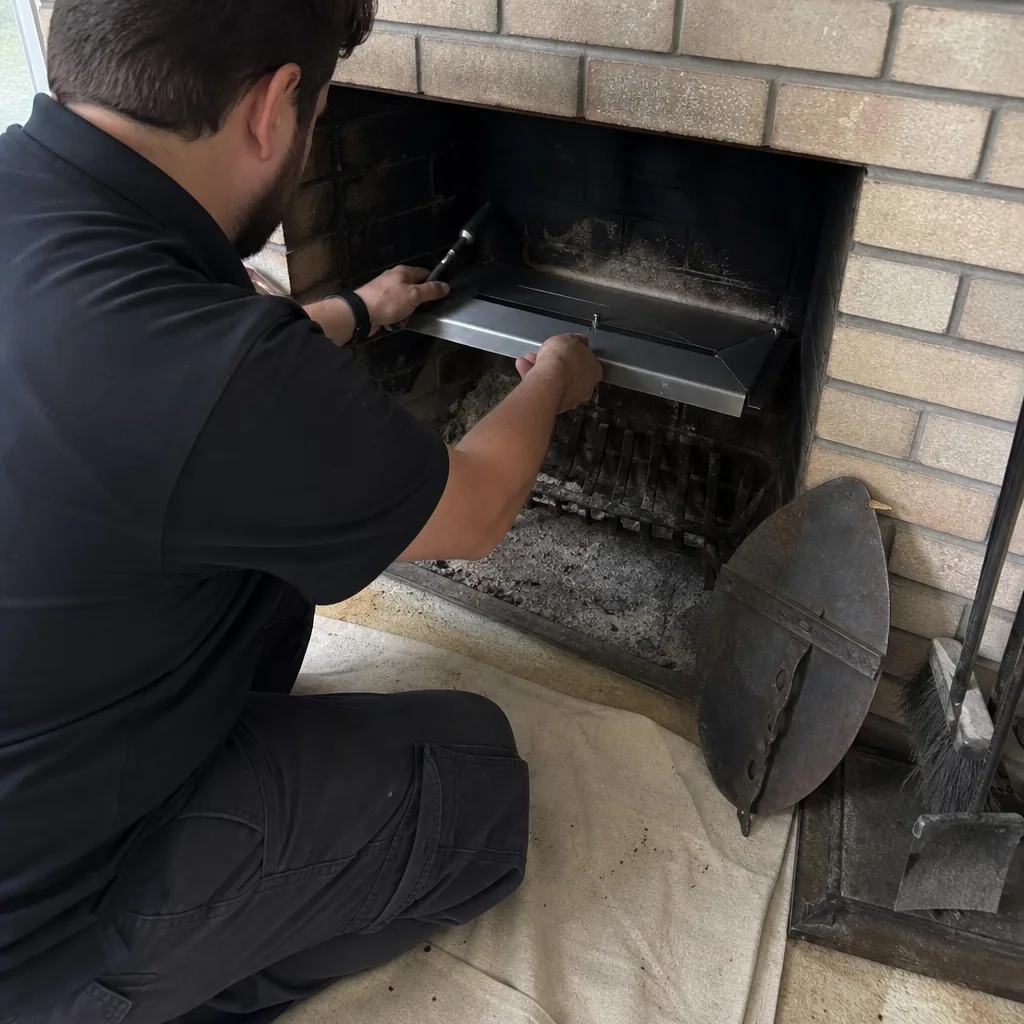
Plenty of the pre-war fireplaces in Hunters Point and along 47th Avenue were built for coal, not wood. Burning wood in an unlined coal chimney creates exactly the kind of creosote buildup that leads to chimney fires. We inspect the flue, check the firebox brick for spalling, and test the damper. A wood-burning fireplace cleaning and inspection in Long Island City typically runs $200 to $350. If you’ve never had the flue camera-inspected, do it before you light the first fire of the season.

Fireplace Insert
A properly fitted insert changes an old drafty fireplace into a heat source that actually warms the room. Long Island City’s row houses especially, where the original fireplace was ornamental and the real heat came from the boiler, benefit from a sealed insert with a direct-vent liner. We install and service gas and wood inserts, and we work with DuraFlex, HeatShield, and Olympia Chimney components. Insert installation in Long Island City runs $3,500 to $8,000 depending on the liner run and firebox condition. We’ll give you a fixed quote before we start.

Damper Repair
A stuck or rusted damper is the most common fireplace problem we see in Long Island City, and it’s usually a salt-air problem. Moisture off the East River corrodes the damper frame, and once the damper won’t seal, you’re losing heat up the flue all winter and pulling cold air down in summer. Damper repair or replacement in Long Island City runs $180 to $450. If your damper lever is frozen or you feel a constant draft from the fireplace, that’s a fix we can usually complete in one visit.

Trusted Brands We Service in Long Island City
We install and service equipment from HeatShield, Gelco, and Famco, which matters because Long Island City’s coastal exposure punishes cheap galvanized components. When a cap or crown on a waterfront row house fails, we replace it with stainless or a proper HeatShield crown seal, not another part that’ll rot out in three seasons. We keep common parts for those brands on the truck when we come out to Long Island City, so we can often fix a gas fireplace or swap a damper the same day without ordering anything. That’s not true of every outfit working in the area.
Common Fireplace Problems We See in Long Island City Homes
- Wind-driven rain killing caps and flashing. The westerly wind off the East River pushes rain sideways into exposed chimneys on the Hunters Point blocks, and galvanized flashing rots within a few seasons. Watch for water stains on the ceiling near the chimney, especially after a blow off the water.
- Unlined coal-era flues condensing acidic soot into the brick. Most Long Island City row houses were built for coal heat and converted to gas without a clay or stainless liner. The oversized flue never gets hot enough to draft properly, so moisture condenses inside the chimney and eats the mortar from the inside out.
- Decorative brick caps blocking active boiler flues. In converted multi-family row houses, we often find a chimney that was bricked over during a condo renovation but is still connected to the basement boiler. That’s a carbon monoxide hazard that NYC DOB boiler inspections occasionally flag, but a sweep catches it first.
- Spalling firebox brick from years of coal-to-wood use. Coal fireboxes weren’t built for the direct heat of a wood fire against their bricks. We see cracked, flaking firebox brick throughout the pre-war stock in Long Island City, and it needs to be repaired before burning again.
One job on 45th Avenue in Hunters Point sticks with us. A converted multi-family row house with a decorative brick cap hiding an active basement boiler flue. During a Level 2 inspection with a chimney camera, we found third-degree creosote glaze and a galvanized cap that had been letting wind-driven rain saturate the flue liner for years. We installed a stainless DuraFlex liner, rebuilt the crown, replaced the flashing, and repaired the firebox. Then we handed the owner documented photos and a written report for his DOB boiler inspection. That’s the kind of thing a regular fireplace service visit misses completely.
Pricing for Fireplace Services in Long Island City, NY
A gas fireplace tune-up in Long Island City runs $150 to $300. A full wood-burning fireplace cleaning and inspection with camera verification is $200 to $350. Damper repair lands between $180 and $450, firebox repair between $400 and $1,800 depending on how much brick has spalled, and a stainless liner install with crown rebuild runs $2,800 to $6,500 for the typical pre-war row house. If you have a converted loft with a long commercial chimney run, the liner cost goes up because the material run is longer and access is harder.
We quote a flat price before any work begins, and the number you hear on the phone is the number on the invoice. You’ll also get a call before we arrive, and the same sweep will come back if anything isn’t right under the 90-Day Done Right Promise. No national outfits, no second price at the door. Call (929) 822-6306 for a free estimate, and remember: $40 off any repair over $200, and 10% off always for seniors and veterans.
We Also Serve Cities Near Long Island City
We serve Long Island City and the surrounding neighborhoods every week, including the residential blocks of Sunnyside, Woodside, Astoria, and Maspeth. If you’re in one of those areas and need a fireplace inspected before burning season, call (929) 822-6306. You’ll get the same local crew, the same flat pricing, and the same 90-Day Done Right Promise.
Serving Long Island City, NY - Our Local Coverage Area
We’re based in the Long Island City area and know this community well. Use the map below to see our service coverage - if you’re nearby, we can almost certainly help.
FAQs - Fireplace Services in Long Island City
Once a year, burn or no burn. Chimneys break in the off-season too, and on Long Island City’s East River blocks the off-season is when wind-driven rain does the most damage. Moisture gets into cracked mortar during winter freezes, then spring rain pushes it deeper, and by fall you have a spalled crown and a rusted damper. If you never use the fireplace, the flue still drafts the boiler in most row houses, so it’s still carrying combustion air. An annual inspection costs $200 to $350 and catches problems before they become liner jobs. Call (929) 822-6306 to book one.
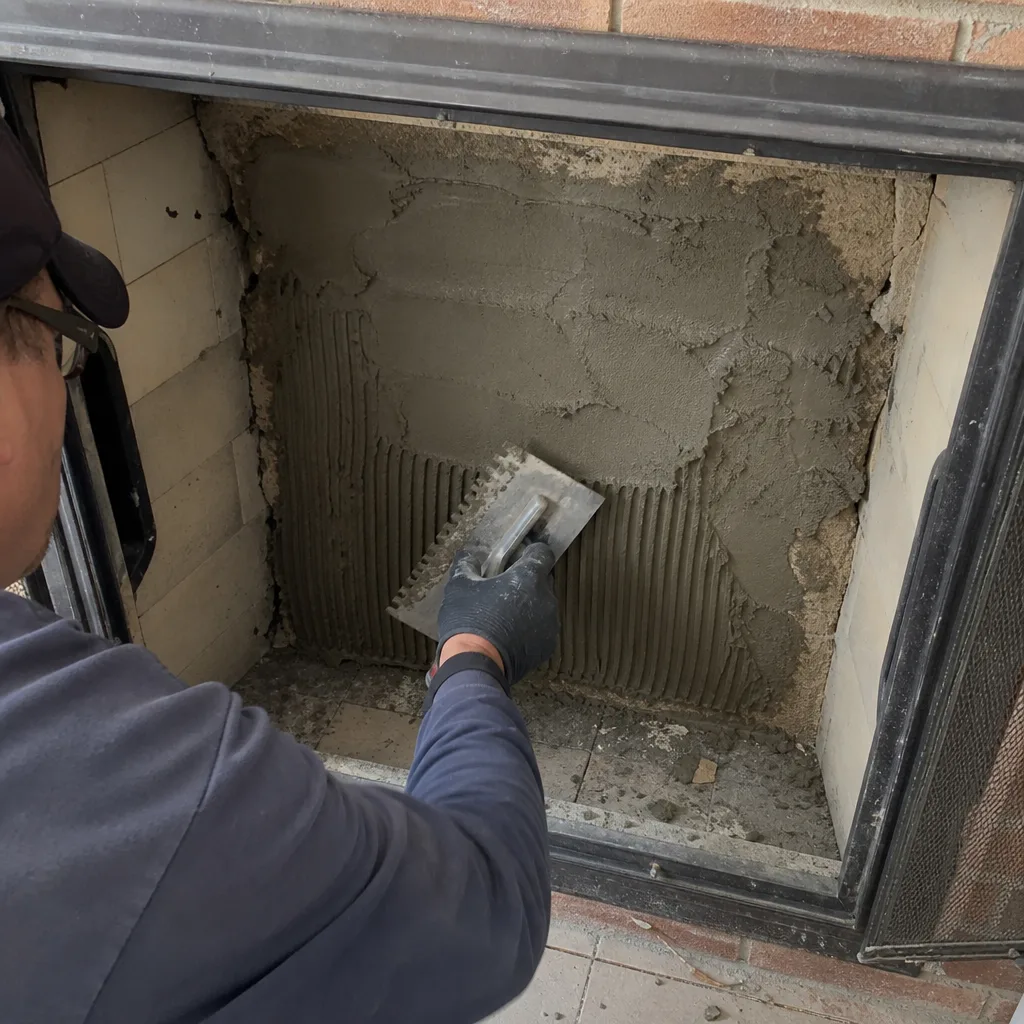
Because your chimney takes the full force of the East River wind. Long Island City’s western-facing blocks get hit with wind-driven rain that Sunnyside, a mile inland, never sees. That water soaks into hairline cracks in the crown, freezes in winter, and expands, which spalls the concrete and widens the crack year over year. A properly sealed crown with a flexible crown coat, like the HeatShield system we install, stops that cycle. Call (929) 822-6306 and we’ll show you the crown on camera before we quote anything.
Yes, and in most cases it’s the right fix. A coal-era flue is too large for a modern gas fireplace or boiler to draft properly, so the flue never gets hot enough to push moisture out. A stainless liner sized correctly for the appliance solves the condensation problem, protects the brick from acidic soot, and brings the flue up to current code. In Long Island City’s pre-war row houses, a stainless liner install typically runs $2,800 to $5,500 depending on the height and access, and we use DuraFlex liners with a transferable warranty. Call (929) 822-6306 for a quote after a camera inspection.
Yes, you should, and it’s more common in Long Island City converted row houses than you’d think. A brick cap that looks decorative is often still the active exhaust for the furnace or boiler, and if the cap is blocking draft, carbon monoxide can back up into upper-floor units. We’ve seen this exact condition on 45th Avenue in Hunters Point, and it took a camera inspection to catch it. If your building has a capped chimney and a basement boiler, call (929) 822-6306 for a Level 2 inspection. It’s the single most important fireplace check in this neighborhood.

Third-degree creosote is a hard, shiny black glaze that looks like tar melted onto the inside of the flue. It forms when temperatures burn off the lighter creosote stages and leave a hardened residue. It’s more common in Long Island City because unlined coal-era flues converted to gas burn cooler and damper, which creates the conditions for third-degree glaze even when the fireplace is used rarely. It can’t be brushed out, and it’s a chimney fire risk. The fix is a stainless liner and professional glaze removal. Call (929) 822-6306 for a camera inspection and we’ll show you exactly what’s in your flue.
Written by Wendell Pike, Owner at Top Hat Chimney, serving Long Island City and the surrounding Queens neighborhoods since 1999.
