
Last updated September 10, 2026
Level 1 sweep and inspection to the NFPA 211 annual standard - flue, crown, cap, and flashing checked and photographed
Chimney sweep logs do not sweep chimneys. They loosen some creosote - which then falls where a brush and vacuum still have to collect it.
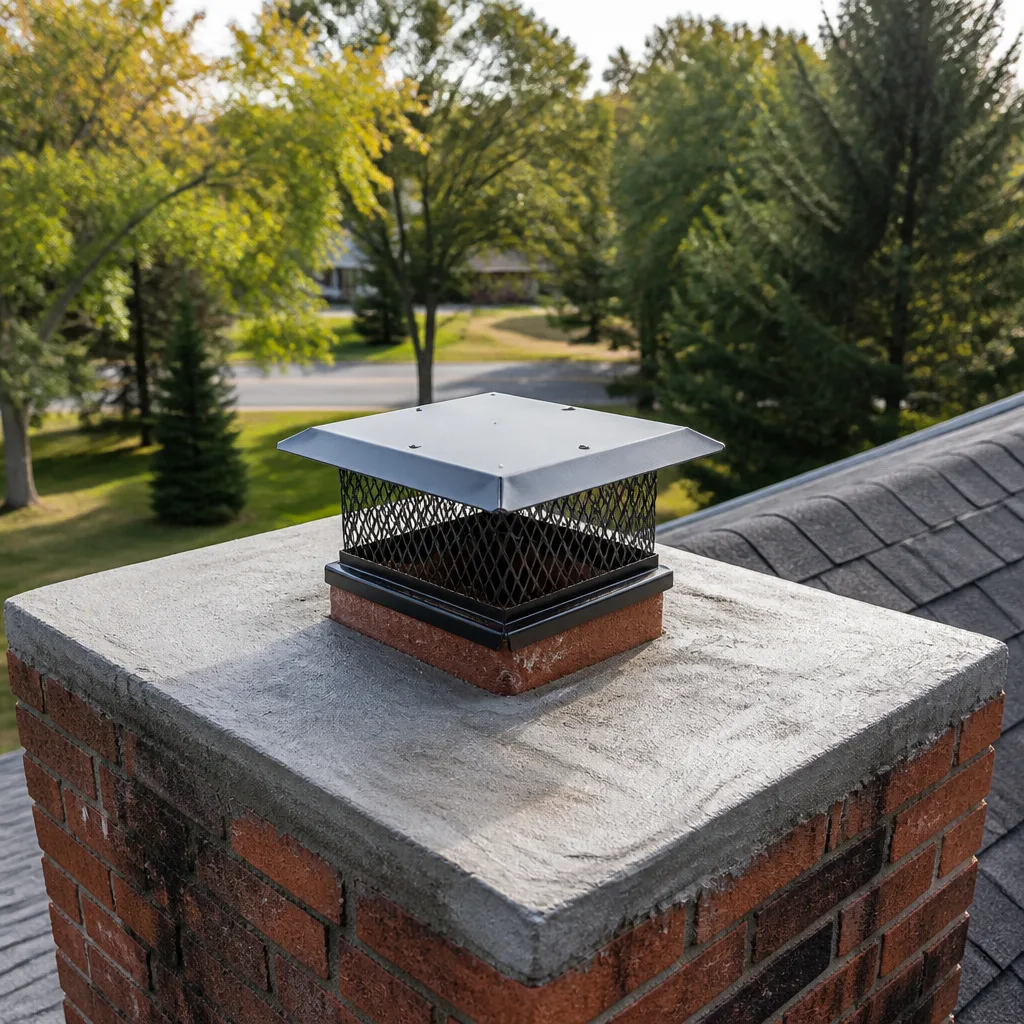
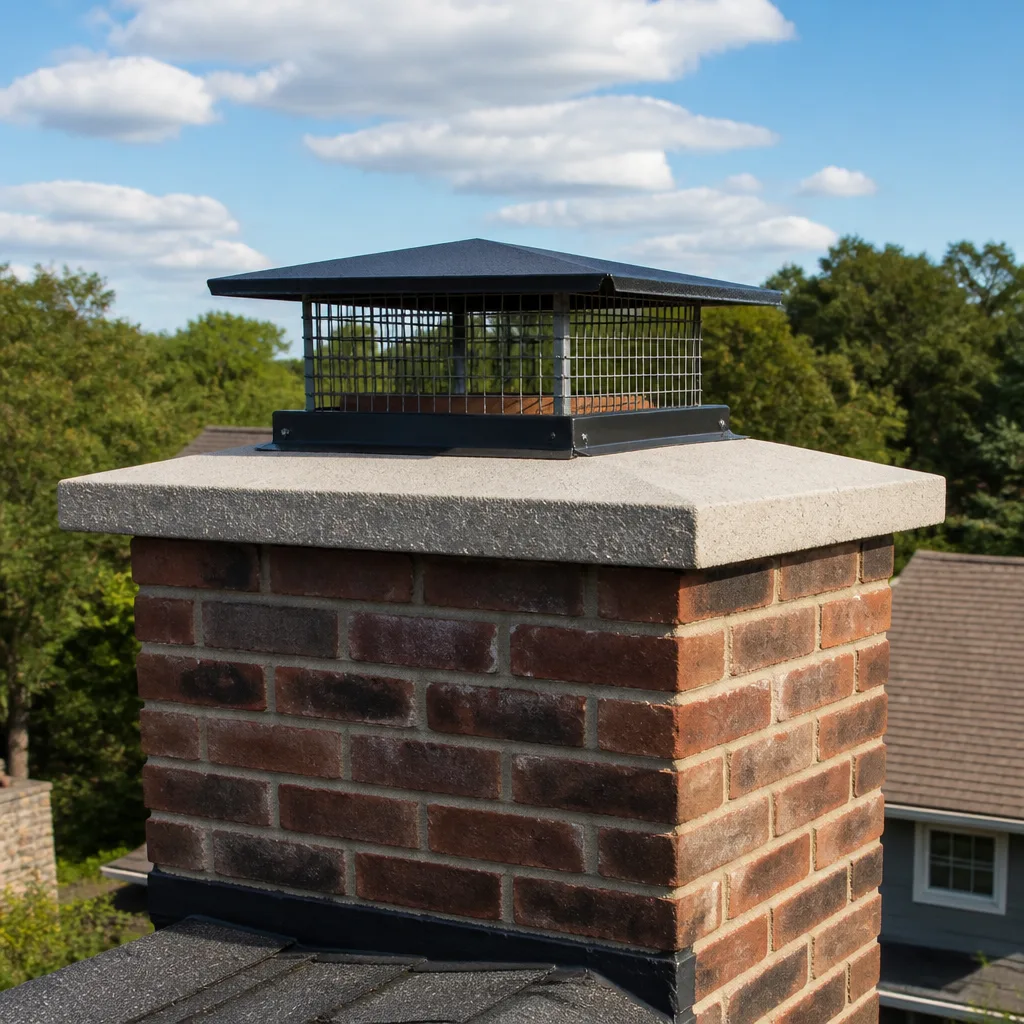
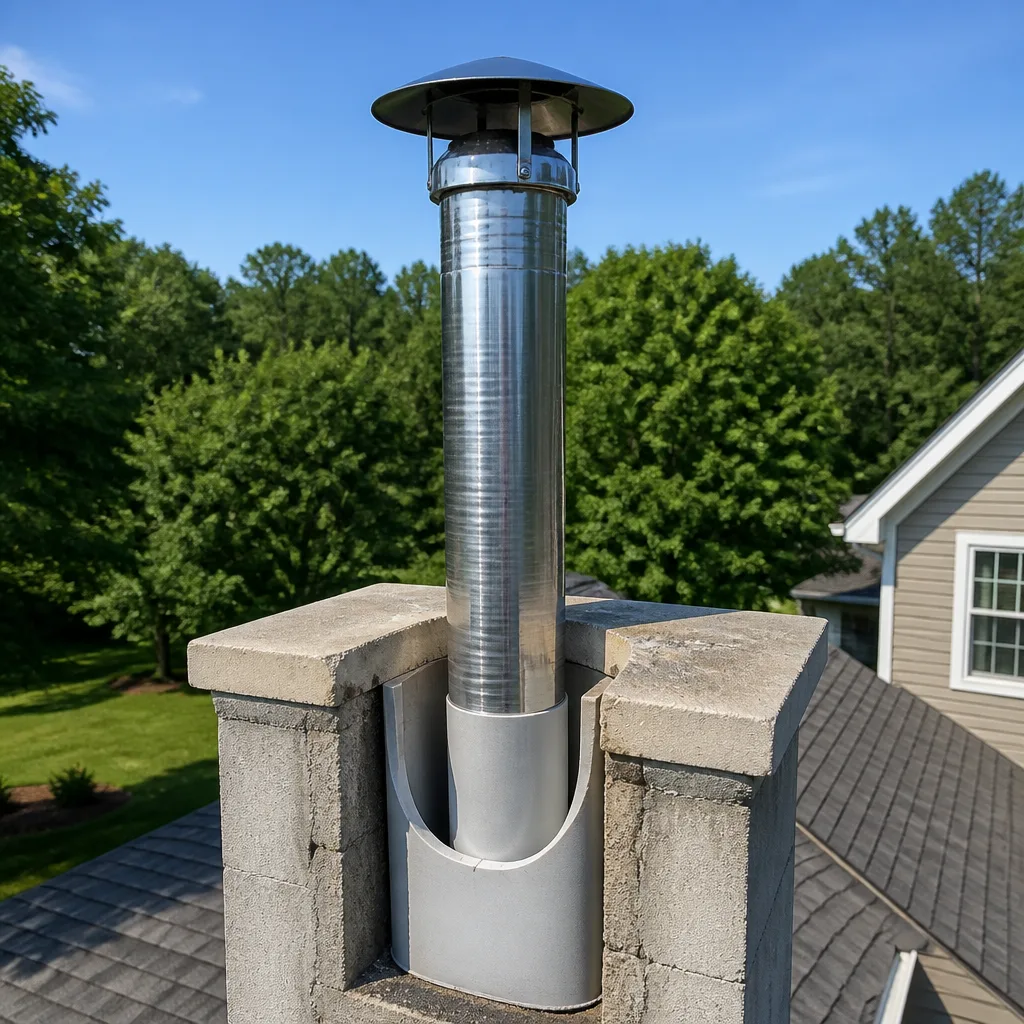
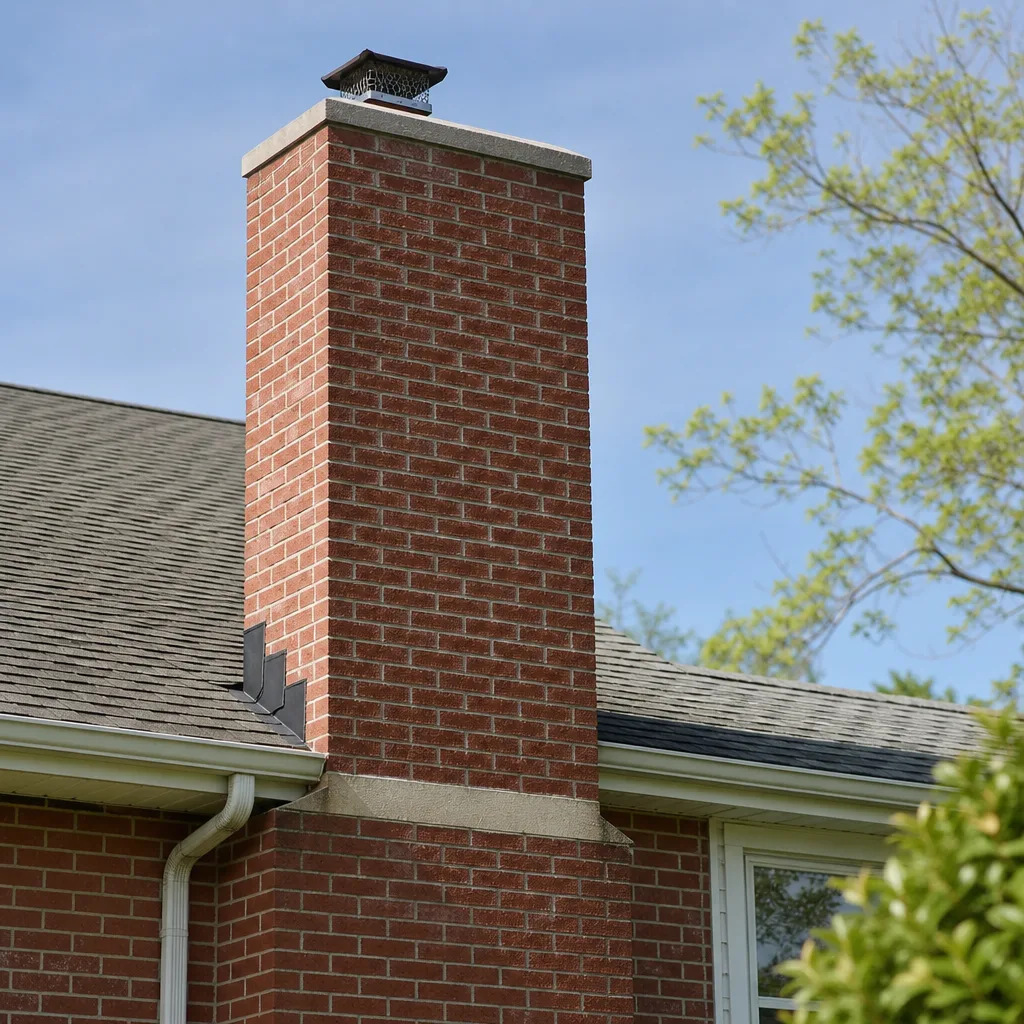
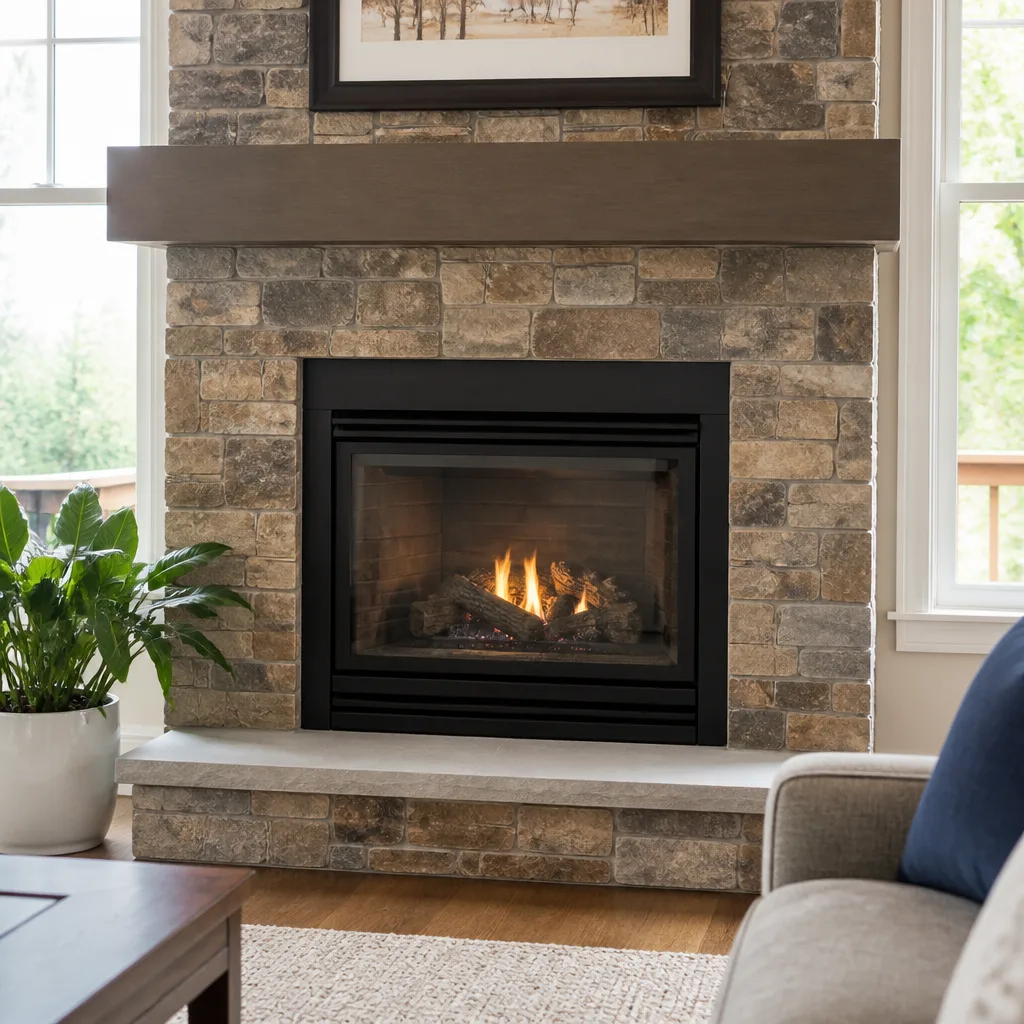
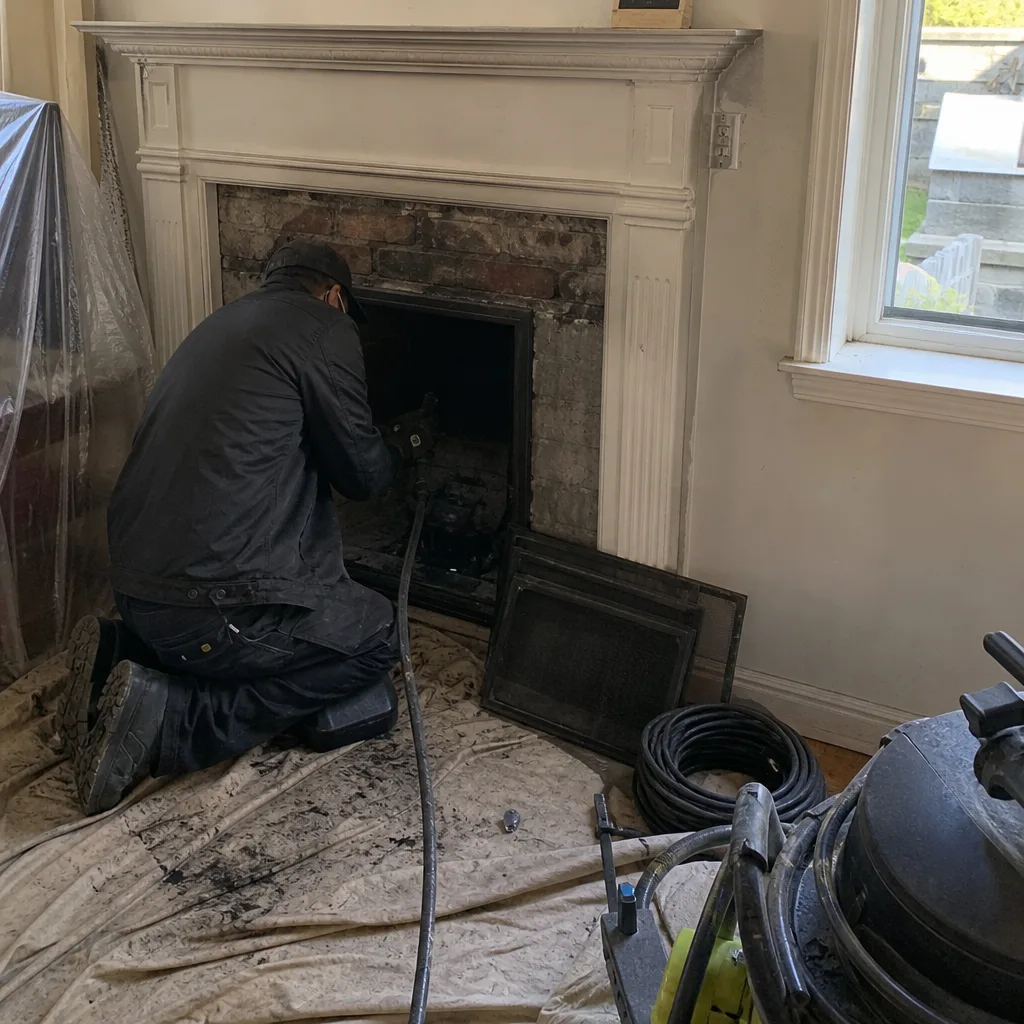 Before
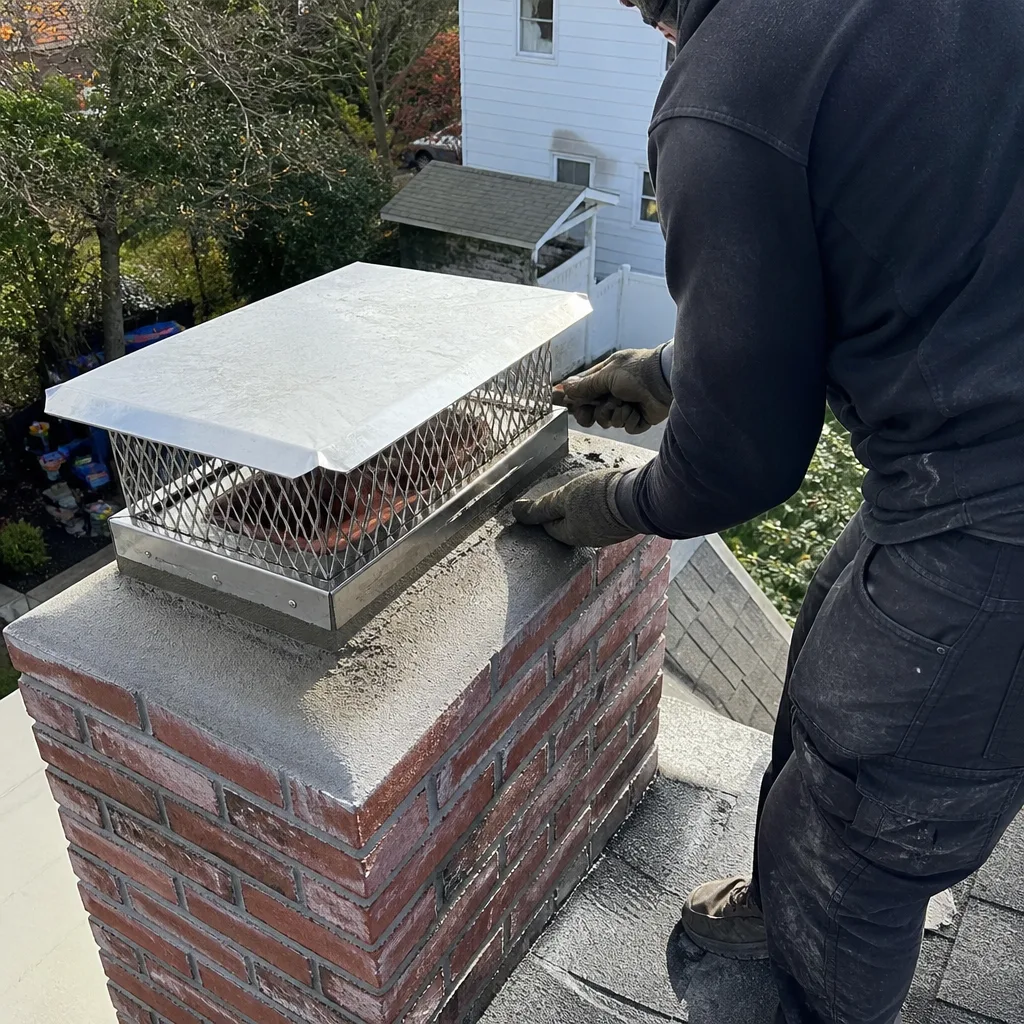 After
After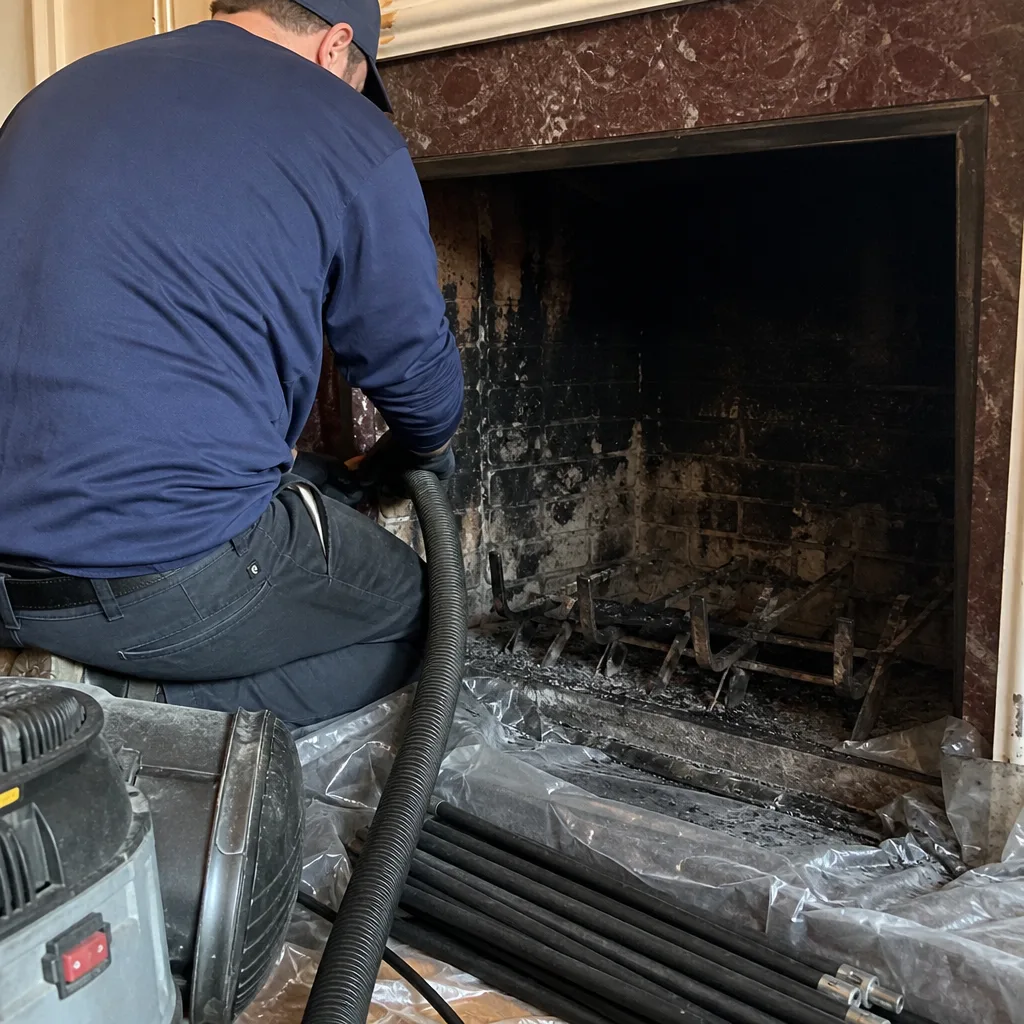 Before
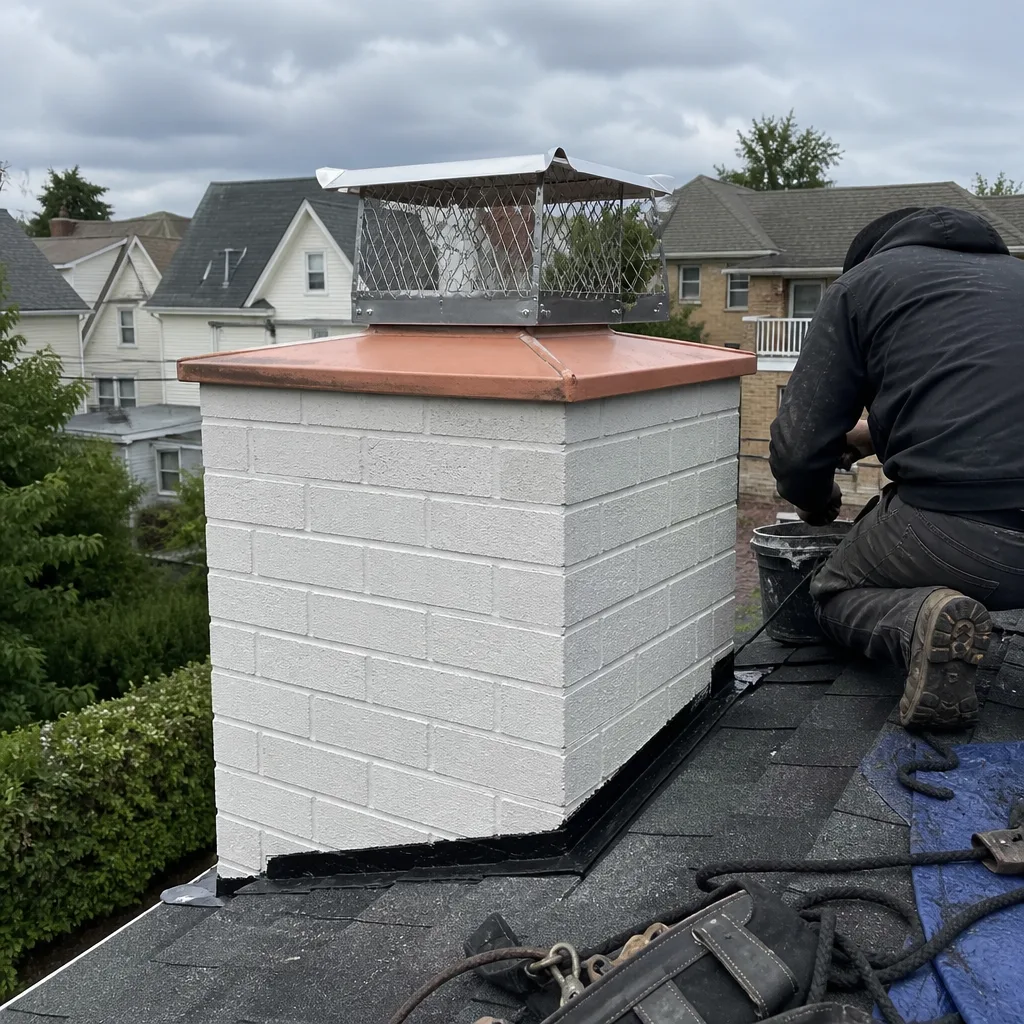 After
After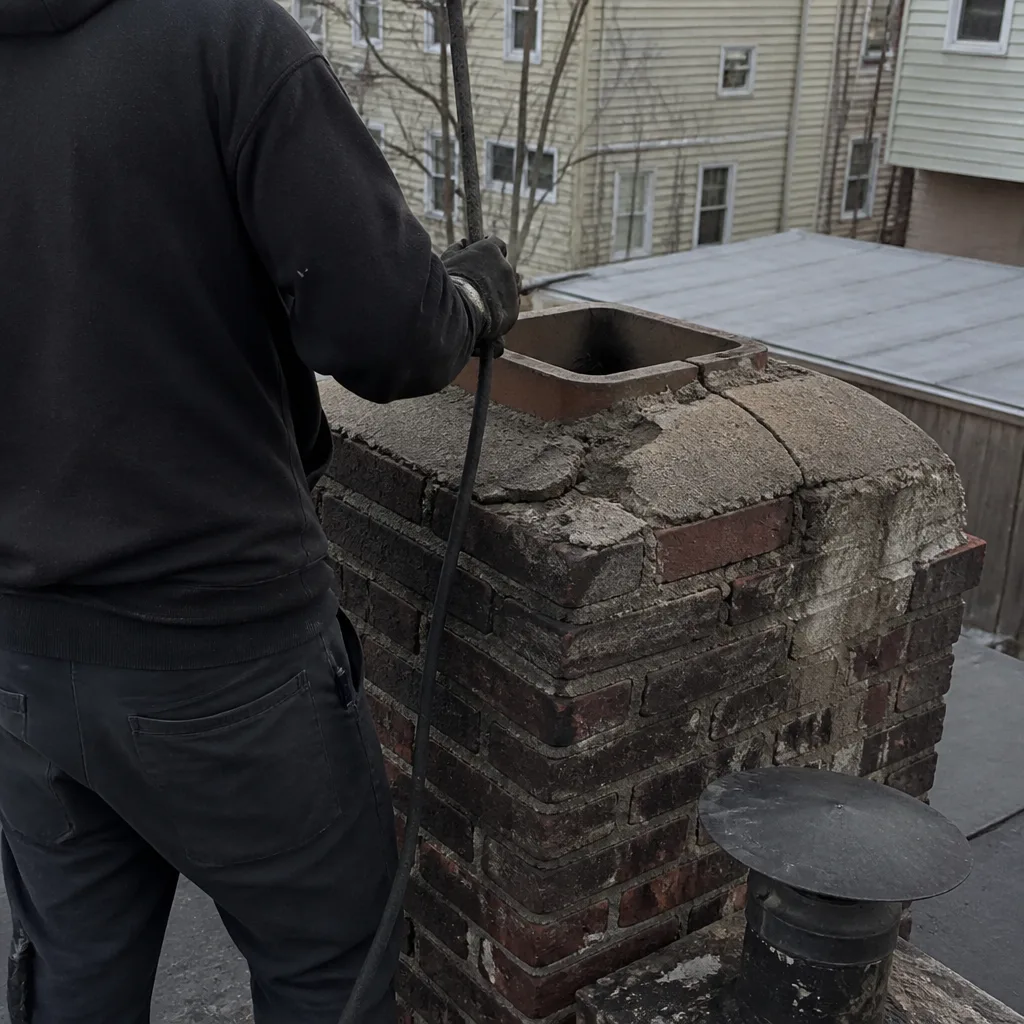 Before
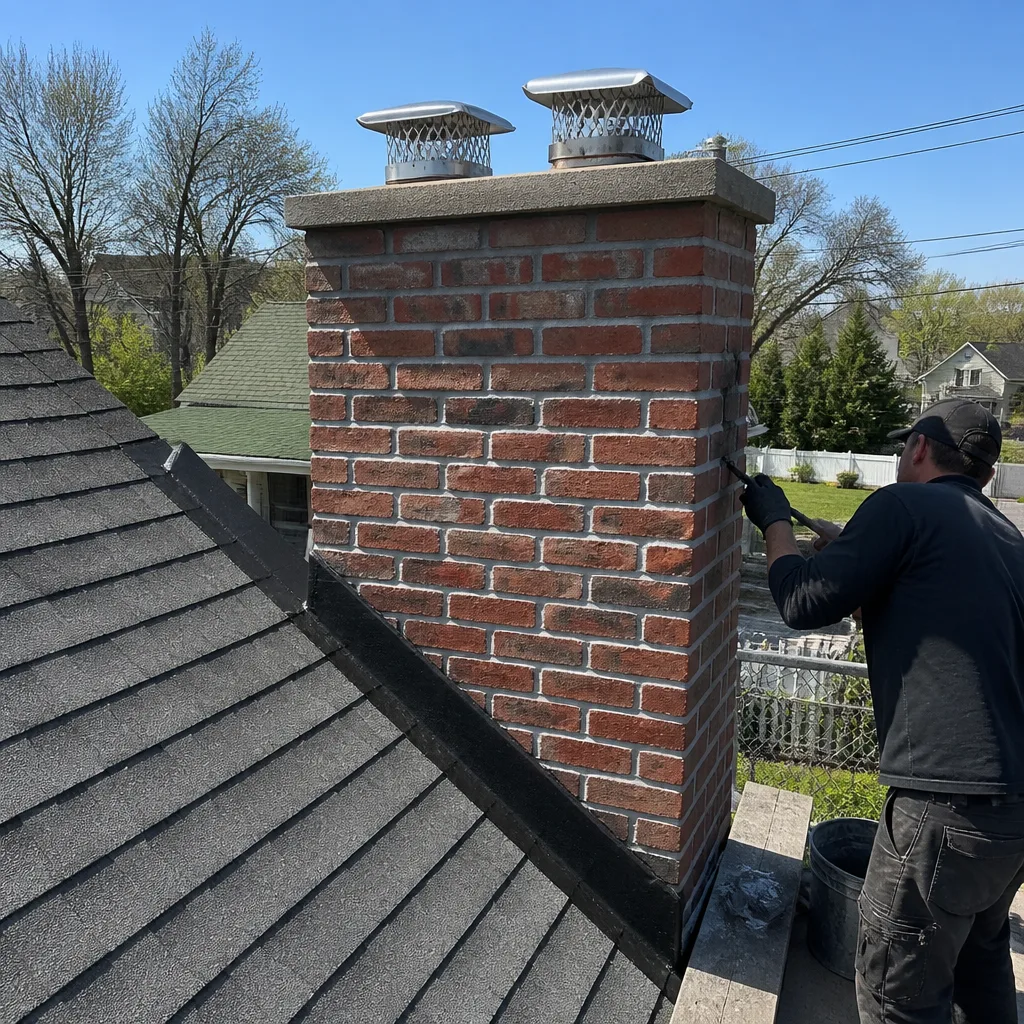 After
AfterSeasonal Chimney Cleaning Care for Astoria: Year-Round Homeowner’s Guide
Most Astoria homeowners schedule their chimney cleaning in October, which is exactly when every sweep in Queens is booked three weeks out. The homeowners who schedule in August get better availability, the same job, and are ready before the first cold night. This guide explains why Astoria’s calendar is different from the generic Northeast advice you’ll find online, and how to time your chimney care so you’re never scrambling when the temperature drops.
Quick Answer
Astoria homeowners should book chimney cleaning and inspection in late summer (August through mid-September), not October. The flues are dry, sweeps have open calendars, and any repairs get done before heating season. Spring brings its own checklist: nesting removal, flashing checks after coastal freeze-thaw cycles, and cap or crown repairs from humid-summer moisture damage. Once a year, burn or no burn.
Table of Contents
- Why Astoria’s Chimney Calendar Is Different
- The August Sweet Spot: Why Late Summer Is the Best Time to Book
- What Astoria’s Humid Summers Do to Your Chimney
- Spring Tasks That Aren’t Optional
- The One Fire Test: What It Can and Can’t Tell You
- Month-by-Month Quick Reference for Astoria
- What Seasonal Chimney Care Costs in Astoria
- Do You Really Need a New Liner? The Camera Decides
Why Astoria’s Chimney Calendar Is Different
Astoria sits in a coastal microclimate that doesn’t behave like the rest of New York. The East River moderates winter lows but brings salt-laden humidity through every season. Summer temperatures run hotter than nearby inland Queens neighborhoods because of the heat island effect, the same dense brick and concrete that holds heat all night. That combination, hard winter freeze-thaw cycles followed by humid, hot summers, then a compressed fall shoulder season, means your chimney weathers differently than one in, say, Poughkeepsie or even Forest Hills.
What that means in practical terms is this: the national advice to “get your chimney swept in the fall” arrives too late for Astoria. By October first, every qualified sweep in western Queens is booked solid for weeks. If your chimney needs a crown repair, a new cap, or a liner patch, you’re either waiting until December or paying a premium for emergency work. Scheduling earlier isn’t just about convenience. It’s about making sure the chimney is actually ready before the first cold night, not after it.
Your flue doesn’t care how the fire looks. It cares how it breathes. And in Astoria, it breathes damp salt air for five months of the year. That’s the detail the national guides miss.
The August Sweet Spot: Why Late Summer Is the Best Time to Book
Here’s the logic, plain and simple. By August, the previous heating season’s creosote has had months to dry. Dry creosote comes off the flue walls cleaner and more completely than the sticky, tar-like creosote you get in late fall when humidity rises and temperatures drop. A sweep in August does a more thorough job with less mess than the same sweep would do in November.
August also gives you something more valuable than a clean flue: time. If the camera shows a cracked flue tile, a deteriorating crown, or a damper that’s not seating properly, you have six to eight weeks to get the repair done before you need the first fire. In October, that same discovery means a choice between burning with a known problem or waiting weeks for a repair while the weather turns. Neither is a good option.
The third reason is simpler. Availability. Wendell and his crew work a full calendar in Astoria, but the reality is that August is a quieter month for chimney work. You’ll get more flexibility on scheduling, a shorter lead time, and the same flat-rate upfront price you’d get in November, minus the three-week wait. Call Top Hat Chimney in August and you’ll likely have the job done within days, not weeks.
We’ve worked the same streets in Astoria since 1999, and the pattern never changes. October fills up first, then November, then September, then December. August sits there wide open. The homeowners who catch on get the same job done at the same price, without the scramble.
What Astoria’s Humid Summers Do to Your Chimney
Humidity is a brick chimney’s quiet enemy. Astoria’s summers hover in the 60 to 75 percent humidity range for weeks at a time, with the added moisture of the East River a mile or two away. That moisture doesn’t just sit on the surface. It penetrates, especially if the chimney crown is cracked or the cap is missing or the mortar joints have begun to soften.
By September, we see the same patterns every year. Brick faces that have begun to spall, small chunks flaking off the surface where trapped moisture expanded in the summer heat. Mortar joints that look powdery or sound hollow when tapped. Efflorescence, the white chalky bloom that appears where water has moved through the masonry and left salt deposits behind. None of these show up overnight. They accumulate through July and August, and they’re easiest to catch and fix in September, before freeze-thaw cycles start doing serious work.
Here’s what a humid Astoria summer does to specific chimney components:
- Chimney crown: The concrete cap on top of the chimney takes direct sun and direct rain. Small cracks from the previous winter widen in summer heat. Water gets in, sits, and works its way down. A cracked crown in September becomes interior water stains by January.
- Brick and mortar: Soft, old mortar absorbs humidity like a sponge. What looks like a fine chimney in June can show serious joint deterioration by September, especially on the side facing the prevailing wind off the river.
- Flue liner: Clay tile liners with hairline cracks collect summer moisture, which then freezes in December and widens the crack. A hairline crack that costs a few hundred dollars to address becomes a liner replacement that runs into the thousands if it waits.
- Metal components: Dampers, chase tops, and flashing rust faster in Astoria’s salt-humidity than they do ten miles inland. We replace more rusted dampers in October than any other month, and almost all of them could have been caught and treated in August.
If your chimney wasn’t capped or crowned properly, the humid season punishes it. We look for this first on every Chimney Cleaning & Sweep in Astoria visit, because water entry is the root cause behind about three-quarters of the expensive repairs we quote.
Spring Tasks That Aren’t Optional
Spring gets ignored because nobody is thinking about the fireplace in April. But spring is when the year’s damage starts, and a chimney that gets attention in spring enters the fall with fewer problems. Here’s the spring checklist we give Astoria homeowners, in order of importance.
- Remove nesting material before it dries. Birds, squirrels, and raccoons build in uncapped chimneys through March and April in Astoria. Fresh nesting material is just a blockage. Once it dries out over the summer, it becomes a fire accelerant sitting directly above your firebox. If you hear scratching or see birds going in and out of the chimney in spring, get it out before August. A cap goes on afterward so they don’t come back.
- Check flashing after the freeze-thaw season. The metal flashing where your chimney meets the roof endures a lot in a coastal winter: ice, snow, rain, salt wind, then thaw, then freeze again. By April, flashings that were watertight in October can have lifted seams, pulled nails, or cracked sealant. A roof leak isn’t always a roof problem. Often it’s a flashing problem, and it’s cheaper to fix in spring than after a summer of water getting under the shingles.
- Inspect the cap and crown for winter damage. Any crack, gap, or missing section of crown needs repair before the humid season starts. What’s a small crack in April becomes a water channel by July.
- Run a Level 2 camera inspection if you burned regularly. If you had fires through the winter, the flue has fresh creosote and possibly new damage. Spring inspection finds it early and gives you all summer to fix it. That’s the smart rhythm. Burn through winter, inspect in spring, repair in summer, ready in fall.
- Close the damper only when the flue is dry. After the last fire, leave the damper open for a few days to let remaining moisture escape, then close it. A closed damper traps humid spring air in the flue, and that moisture works on the liner all summer.
Most Astoria homeowners skip spring entirely and try to do everything in September. That works if the chimney is in good shape. If it’s not, you’re making decisions in a hurry, which is when expensive mistakes happen. The spring tasks above prevent that.
The One Fire Test: What It Can and Can’t Tell You
There’s a simple test we recommend to Astoria homeowners before the heating season begins. Build a small fire, just a few pieces of kindling and one or two small logs. Watch what happens. The smoke should draw up the chimney in a steady, visible column. The room should stay clear. The fire should establish quickly and burn clean.
If smoke spills into the room, or the fire struggles to catch, or you need to open a window to keep the smoke detectors from going off, something is wrong. It could be a cold flue that needs a minute to warm up, which is normal. Or it could be a blockage, a partially closed damper, a nest, or a creosote buildup that’s restricting the draw. Don’t guess. A smoke spill that repeats on the second or third fire is a sign to call a sweep.
What the one fire test can’t tell you is just as important:
- It can’t see the creosote. A chimney can draft perfectly and still hold a dangerous amount of creosote on the flue walls. The draft and the buildup are different things. Only a camera sees the buildup.
- It can’t see cracked flue tiles. Cracks behind the surface don’t affect the draft until they’re serious. By then, you’re already at risk of fire escaping the flue into the surrounding structure.
- It can’t see water damage. A chimney can draw fine and still be water-damaged at the crown or flashing level, quietly rotting the masonry from the inside out.
The one fire test is a decent early-warning signal. It is not an inspection. The camera footage and a plain-English verdict, every time, no exceptions, that’s the only way to actually know what’s happening inside the flue.
Month-by-Month Quick Reference for Astoria
This calendar is built around Astoria’s actual weather pattern, not a generic Northeast template. Coastal winters, humid summers, and the heat island effect shape these recommendations.
- January: Burning season. Burn only seasoned hardwood, never construction scraps or treated lumber. Keep fires moderate. Watch for smoke spillage or any new smell.
- February: Still burning season, and often the coldest month in Astoria. If you notice any new staining on the ceiling near the chimney, call immediately. That’s a flashing or crown problem.
- March: Last fires of the season for most homes. Start thinking about whether you’ll keep using the fireplace through April. If not, this is the month to schedule a spring inspection.
- April: Nesting season begins in Astoria. If the chimney isn’t capped, expect birds and squirrels to take an interest. Listen for scratching. Remove nests before they dry.
- May: The best month for flashing work and crown repairs in Astoria. The weather is stable enough for masonry and metal work, and any issues from the freeze-thaw season are clearly visible.
- June: Humidity begins in earnest. If your chimney has an uncapped flue, this is the month the moisture starts penetrating. This is the month to schedule the main annual cleaning, in Astoria, bookings are still plentiful.
- July: Peak humidity. If you see efflorescence on the brick or a musty smell from the fireplace, that’s trapped moisture. Call for an inspection. Don’t wait until fall.
- August: The sweet spot. Book your annual chimney cleaning and sweep in Astoria now. Flues are dry, creosote comes off clean, and any repairs you need can still be scheduled before the rush.
- September: The shoulder month. Good availability in the first half, tight in the second. Late September is the last call for repairs that need doing before burning season. After this, you’re in the fall rush.
- October: The rush. Every sweep in Queens is booked three weeks out. If you’re just now calling, expect a wait. The one fire test can be done now, but if it reveals a problem, you’re in a tight spot for the repair calendar.
- November: First regular fires. If you haven’t had the chimney inspected yet, this is when the risk is highest. An uninspected chimney burning at full heat is the scenario behind most chimney fires in Astoria.
- December: Burning season in full swing. One reminder: after the holidays, when the decorations come down, look at the chimney again. A chimney that worked fine on December 1st can develop problems by January if a new crack opens in a cold snap.
What Seasonal Chimney Care Costs in Astoria
Chimney work in Astoria is priced like the rest of the local trade market: qualified labor, insurance, and proper equipment cost what they cost. What varies is what the job actually needs, and that’s where the camera inspection matters. For a detailed breakdown, see our Chimney Cleaning Cost Breakdown: The Astoria Homeowner’s Reference for 2026. Here’s a straightforward look at current ranges for seasonal work in the area.
| Service | Typical Range in Astoria | What Affects the Price |
|---|---|---|
| Standard chimney sweep | $180-$320 | Flue height, creosote level, accessibility |
| Level 2 camera inspection | $100-$200 | Often included with the sweep; ask |
| Chimney cap replacement | $150-$400 | Material (stainless vs. copper), flue size |
| Crown repair (small crack) | $250-$600 | Crown condition, surface area |
| Flashing repair | $300-$700 | Extent of damage, roof access |
| Liner replacement (stainless) | $2,500-$6,000 | Flue height, liner diameter, access |
Those liner numbers are the reason we never recommend a liner replacement without camera evidence you can see for yourself. The camera footage and a plain-English verdict, every time, no exceptions. If the liner is cracked but still structurally sound, a HeatShield repair system can often restore it for a fraction of full replacement cost. If it’s gone, it’s gone, and we’ll show you why on the screen before quoting the work.
Every quote from Top Hat Chimney in Astoria is flat-rate and final before work begins. The number you hear on the phone is the number on the invoice. No add-ons, no “discovered” work, no surprises. And every job carries the 90-Day Done Right Promise in writing: if it’s not done right, one call brings Wendell back. Call (929) 822-6306 for an exact quote on your chimney, estimates are free.
Do You Really Need a New Liner? The Camera Decides
The most common fear an Astoria homeowner brings to a chimney inspection is that they’ll be told they need a liner replacement they can’t verify. It’s a fair fear. National outfits built their business on it. Here’s how it actually works when you work with a local sweep who puts his name on the work.
We run a camera up the flue on every cleaning and inspection. You see the footage, in real time, with a plain-English explanation of what we’re looking at. If the liner has cracked tiles, we show you the crack. If it’s holding up fine, we say so, and we write that on the report. A liner that’s working doesn’t need replacing because a sales script says it’s old. Plenty of clay tile liners in Astoria are sixty years old and still doing their job.
When a liner does need attention, the options aren’t just “replace everything.” A HeatShield repair can restore a cracked clay liner with a specialized cerfractory sealant. A DuraFlex or Olympia stainless liner can be installed when the original has failed beyond repair. We’ll show you the damage, explain the options, and give you the cost for each. You decide. No pressure, no deadline, no commission-driven upsell.
What you should know about older Astoria homes is that many of the brick chimneys predate modern liner standards. If you own a pre-war rowhouse or a 1920s detached home, the original liner may have never been designed for the heat output of a modern insert or wood stove. That’s a legitimate reason for liner work. But it’s a reason you can see on camera, not something you take on faith. Ask anyone on your street who’s worked with Wendell and his crew. They’ll tell you the same: if you don’t need it, he says so. If you do, he shows you why.
Common Mistakes to Avoid
- Waiting until October to call. October is the busiest month for chimney work in Astoria, and every qualified sweep is booked weeks out. August callers get the same job done on their schedule, not the sweep’s.
- Skipping spring nesting removal. A nest that comes out in April is a five-minute job with a brush. A nest left until November is a fire accelerant hiding above your firebox. Remove it before it dries.
- Ignoring a cracked crown because “it’s just a little crack.” A cracked crown in spring becomes water damage by fall and a major masonry repair by next spring. Crowns don’t heal themselves.
- Burning green or wet wood. Unseasoned wood creates cool, smoky fires that deposit creosote fast. In Astoria’s humid climate, wet wood makes everything worse. Burn only properly seasoned hardwood.
- Trusting the one fire test as an inspection. A chimney can draft fine and still have dangerous creosote buildup or cracked flue tiles. The draft and the condition of the flue are different things, and only a camera sees the condition.
- Closing the damper too early in spring. Trapping humid spring air inside the flue accelerates liner deterioration and brick spalling all summer. Let the flue dry before you close up for the season.
- Hiring on price alone from an unknown outfit. The cheap sweep who shows up without insurance or a real address isn’t a bargain. In Astoria, the legitimate sweeps all price within a similar range. A price dramatically below that is a red flag, not a deal.
When to Call a Professional
Call a chimney professional when you see smoke spilling into the room on more than one fire, when you see water stains on the ceiling or walls near the chimney, when you hear animals in the flue, when you notice crumbling brick or powdery mortar on the ground below the chimney, or when it has been more than a year since the last inspection. None of these are do-it-yourself situations. A trained sweep with the right equipment sees problems before they become emergencies, and the cost of an inspection is a fraction of what a chimney fire or water-damage repair will run you. For Chimney Cleaning Permits, Codes & Inspections in NY: What You Need to Know, see our guide. Top Hat Chimney offers free estimates in Astoria, call (929) 822-6306.
Frequently Asked Questions
A standard chimney sweep in Astoria typically runs between $180 and $320, depending on flue height, creosote level, and accessibility. At Top Hat Chimney, the price you hear on the phone is the price on the invoice, flat-rate and final before work begins, and every sweep includes a camera inspection. Call (929) 822-6306 for an exact quote, estimates are free.
Once a year, burn or no burn. Chimneys break in the off-season too, and the annual sweep is when you catch the cracked crown, the loose flashing, and the early-stage creosote before any of it becomes a problem. Homes that burn heavily through the winter may need a mid-season check, but the annual sweep is the baseline.
Only if the camera shows the existing liner is cracked, deteriorated, or undersized for the appliance it’s serving. Plenty of older Astoria chimneys have liners doing their job decades after installation. When a liner does need work, options like HeatShield repair or a DuraFlex stainless liner can address it without always requiring a full rebuild. You’ll see the footage and get a plain-English explanation before any liner recommendation is made. Call (929) 822-6306 to schedule an inspection.
Creosote builds up in layers. First-degree creosote is a brush job. Third-degree is a glaze, catch it early. A glazed flue is a serious fire risk, and if a chimney fire starts, the damage is rarely confined to the chimney. Water damage from an uncapped or cracked chimney adds up quietly for years. By the time you see the water stain, the repair is bigger than a sweep would have been.
Astoria’s coastal microclimate combines hard winter freeze-thaw cycles with humid, salt-heavy summers, along with the heat island effect from the dense brick and concrete. That combination weathers masonry, flashing, and metal components faster than in inland neighborhoods. The seasonal rhythm shifts earlier: summer work is the smart window, and fall is the rush.
You can brush a chimney yourself with the right equipment, but you can’t inspect it. A proper cleaning includes a camera inspection of the entire flue, and that’s where the real value is. The brush job is the easy part. Knowing what the camera shows, whether the liner is sound, whether the smoke chamber is sound, whether the chimney is safe to burn, that’s the job. A sweep with the training and equipment sees what a homeowner with a brush can’t.
The Bottom Line
Astoria’s chimney rhythm is its own thing. Hard coastal winters, humid summers, a heat island that stretches the shoulder seasons, and the practical reality of the fall rush all point to the same conclusion: the smart move is to schedule your annual cleaning and inspection in late summer. August gives you dry flues, open calendars, and time to fix whatever the camera finds before you need the first fire. Spring has its own list, nesting removal, flashing checks, crown repairs, and skipping it means arriving at fall with accumulated problems. Once a year, burn or no burn. That’s the rhythm that keeps an Astoria chimney safe, efficient, and ready for whatever the weather does next. For more guides & resources, visit our blog.
Written by Wendell Pike, Owner at Top Hat Chimney, serving Astoria since 1999.