
Last updated September 10, 2026
Level 1 sweep and inspection to the NFPA 211 annual standard - flue, crown, cap, and flashing checked and photographed
Chimney sweep logs do not sweep chimneys. They loosen some creosote - which then falls where a brush and vacuum still have to collect it.
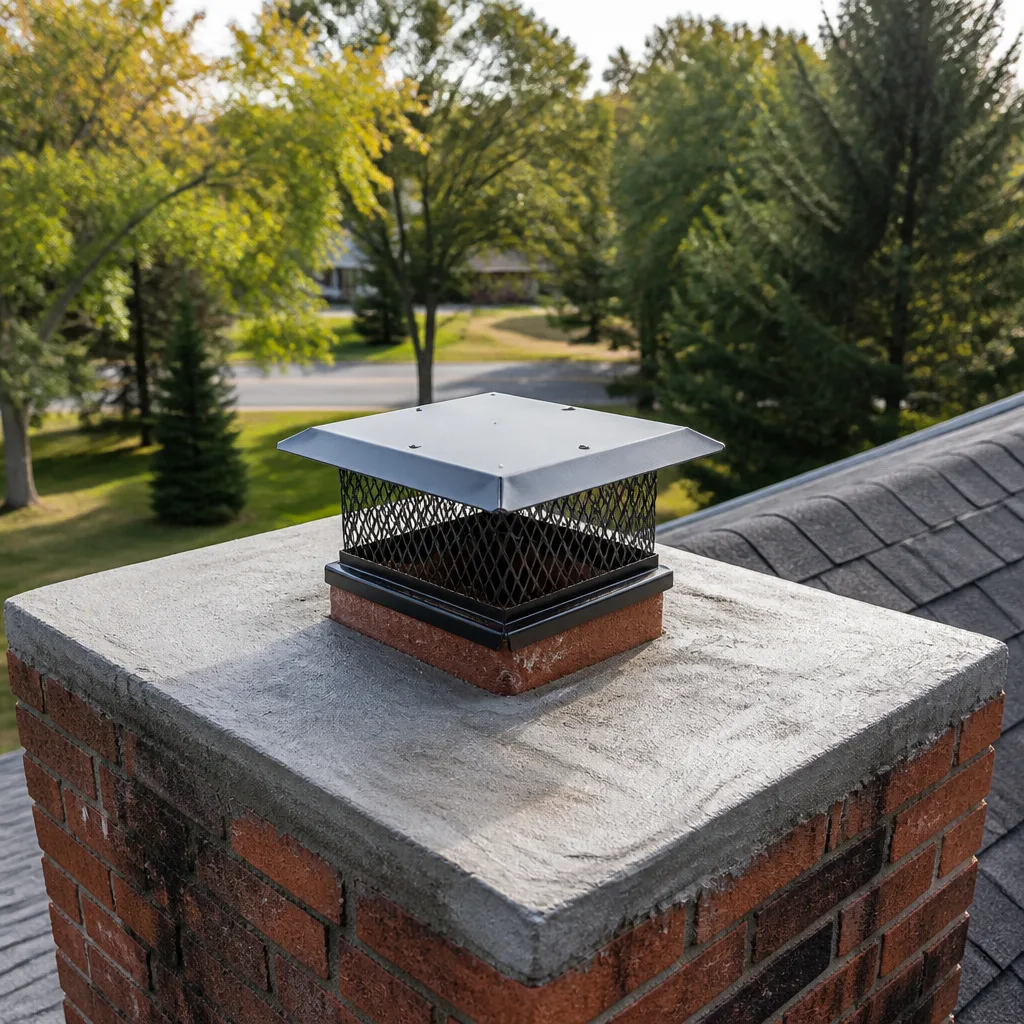
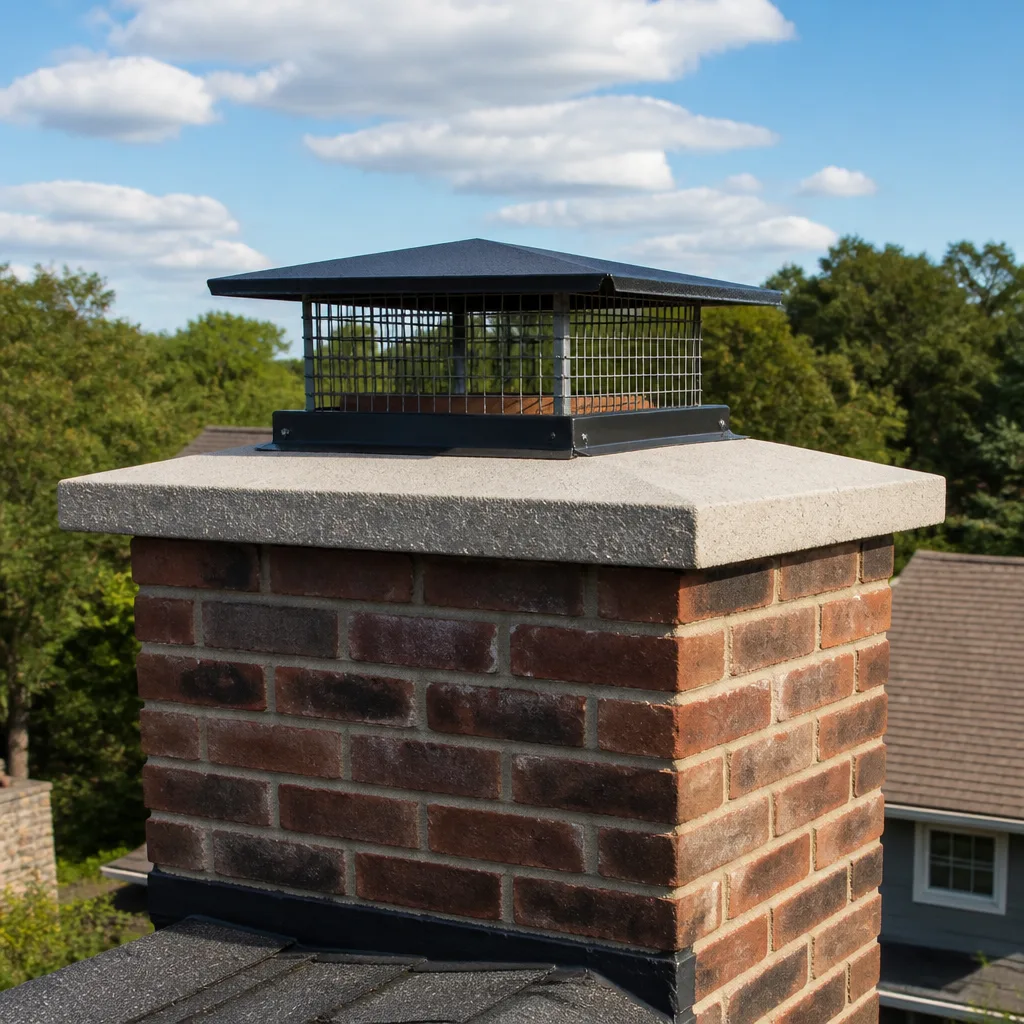
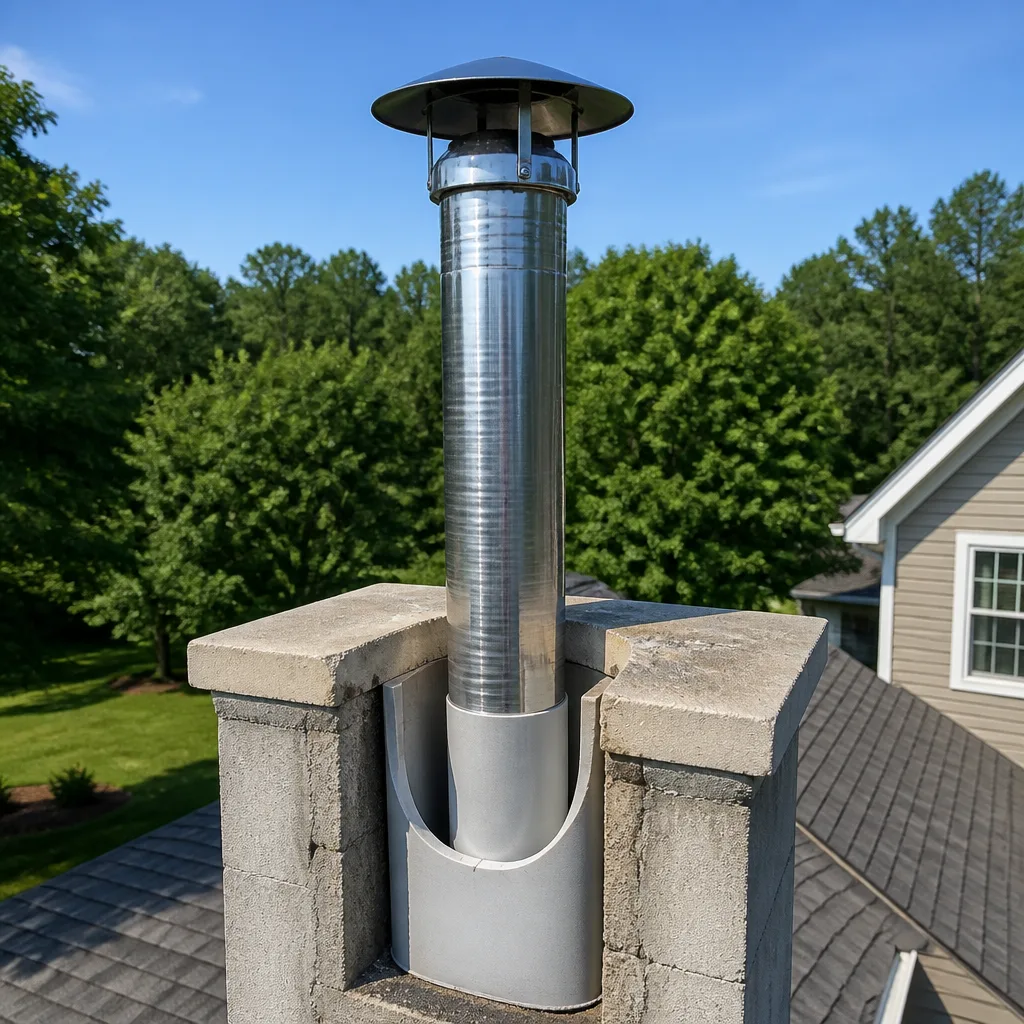
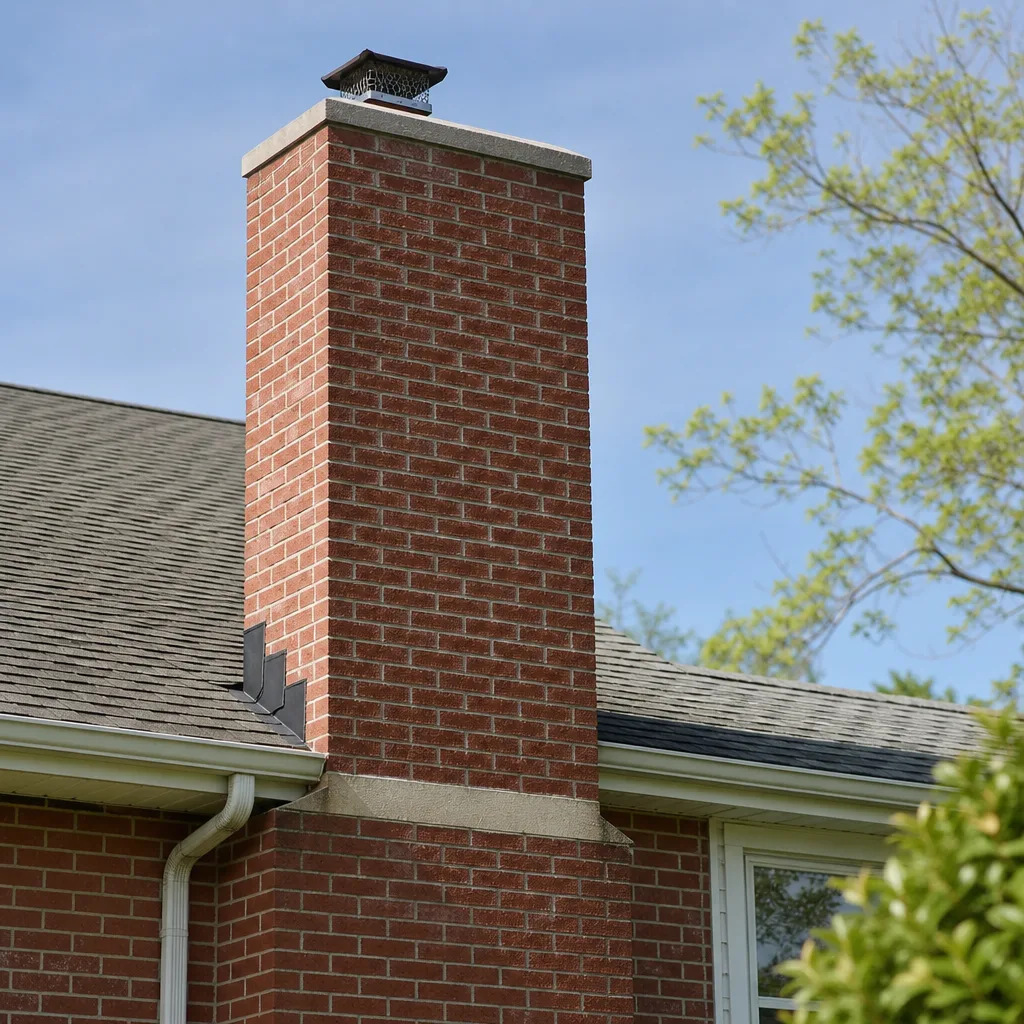
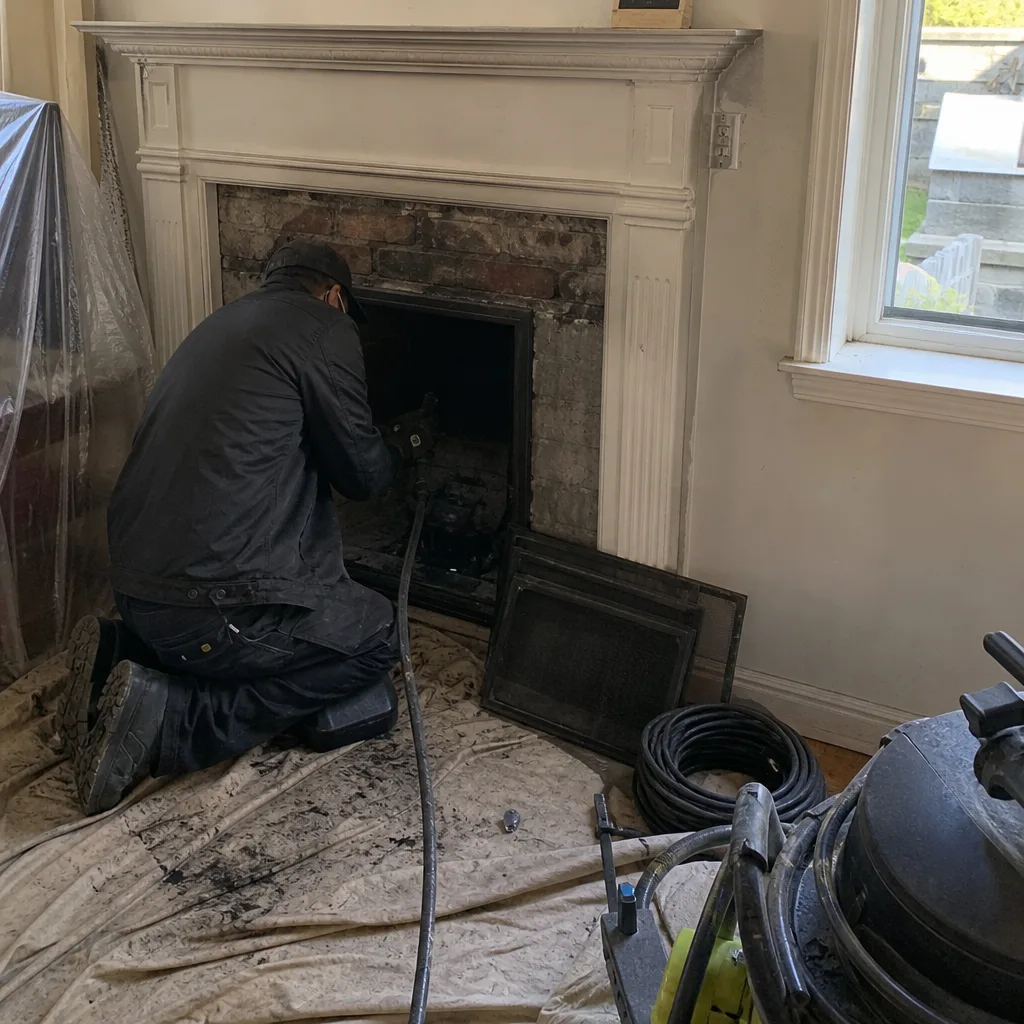 Before
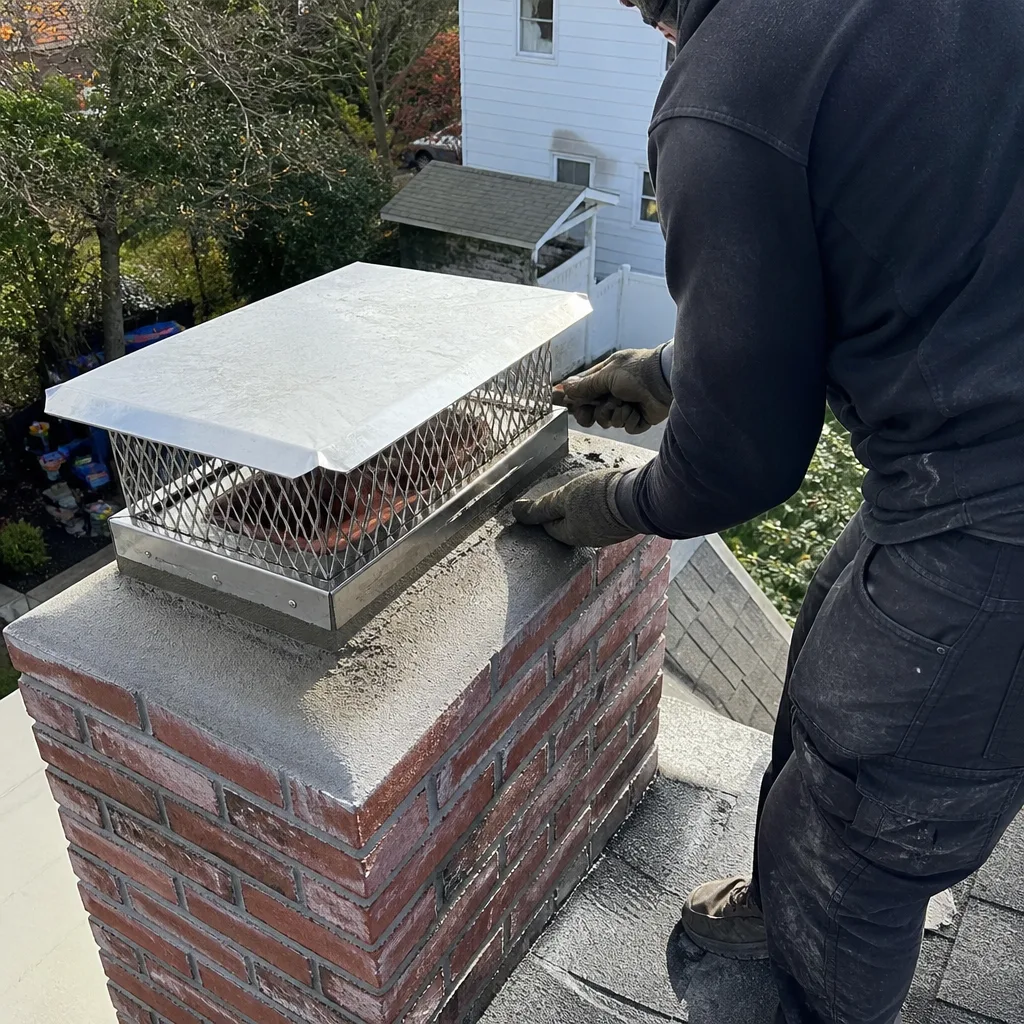 After
After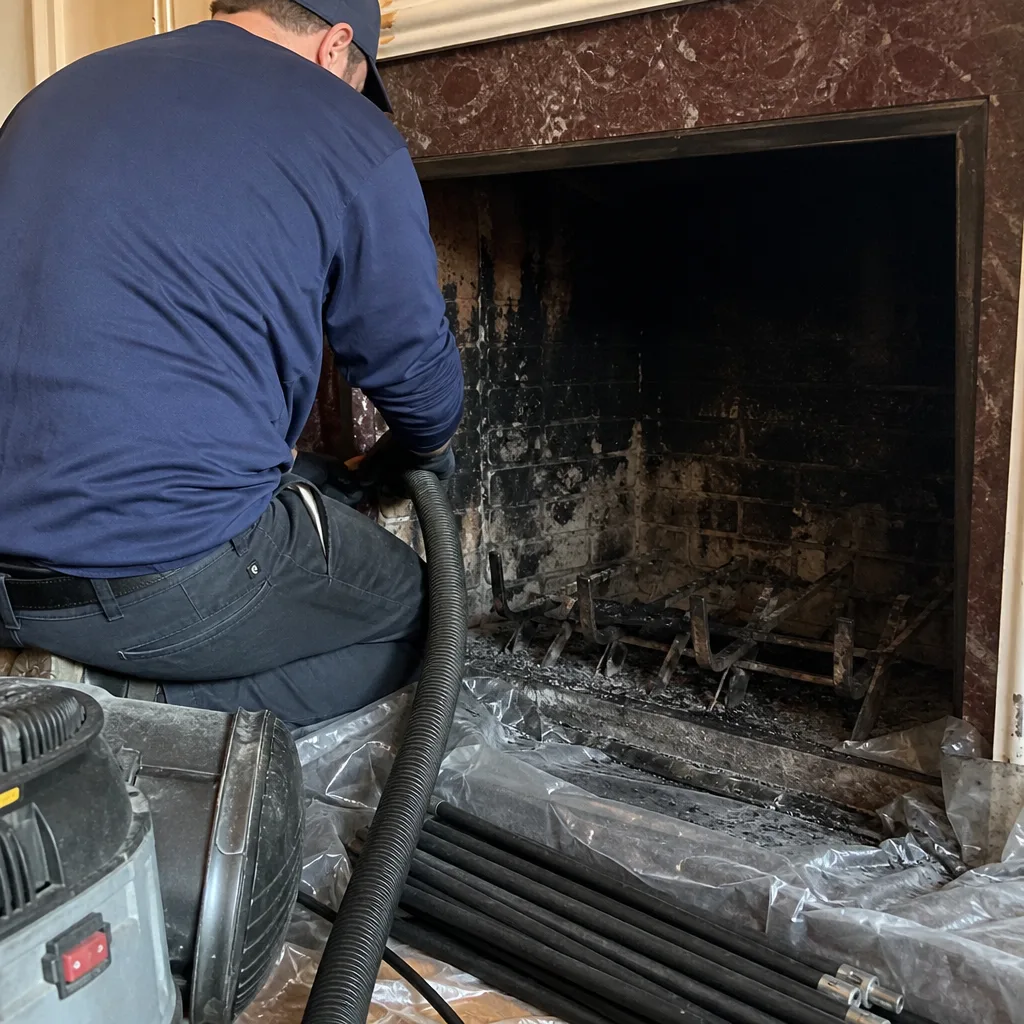 Before
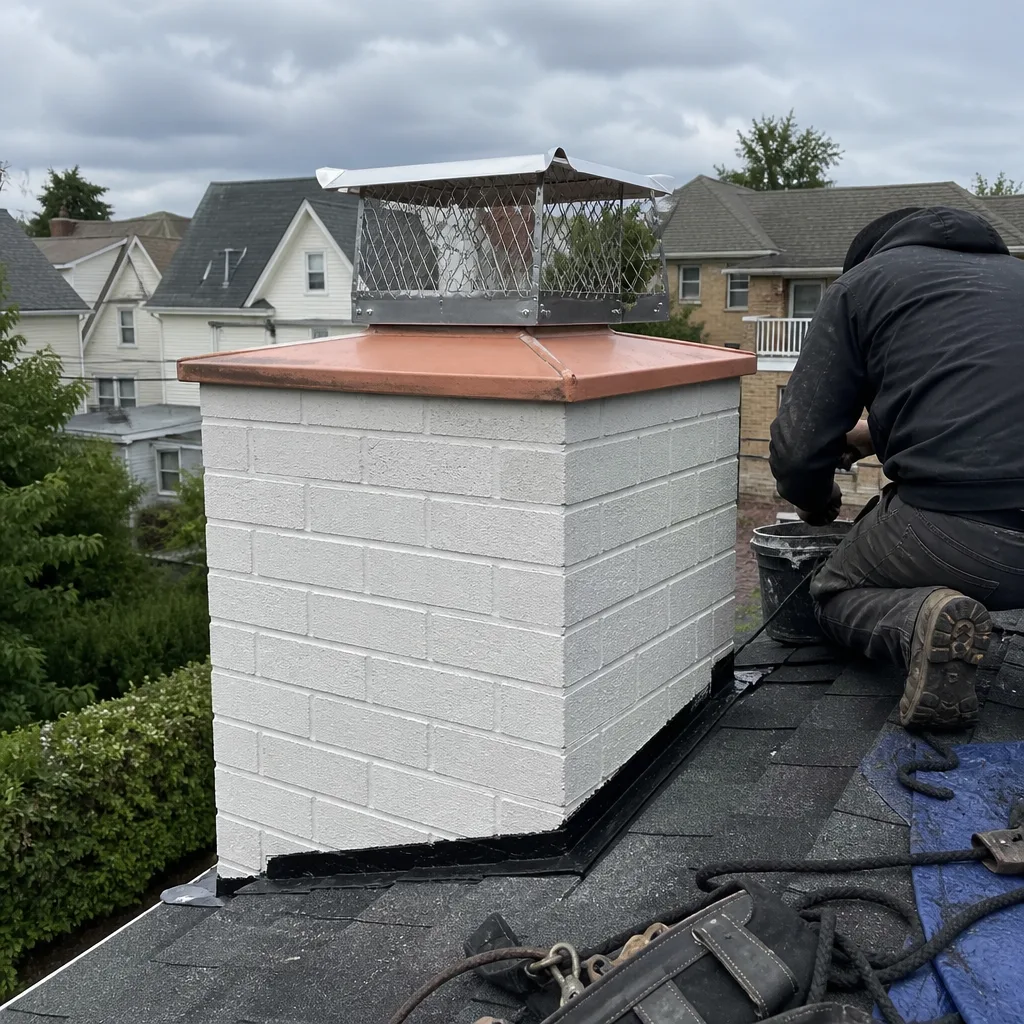 After
After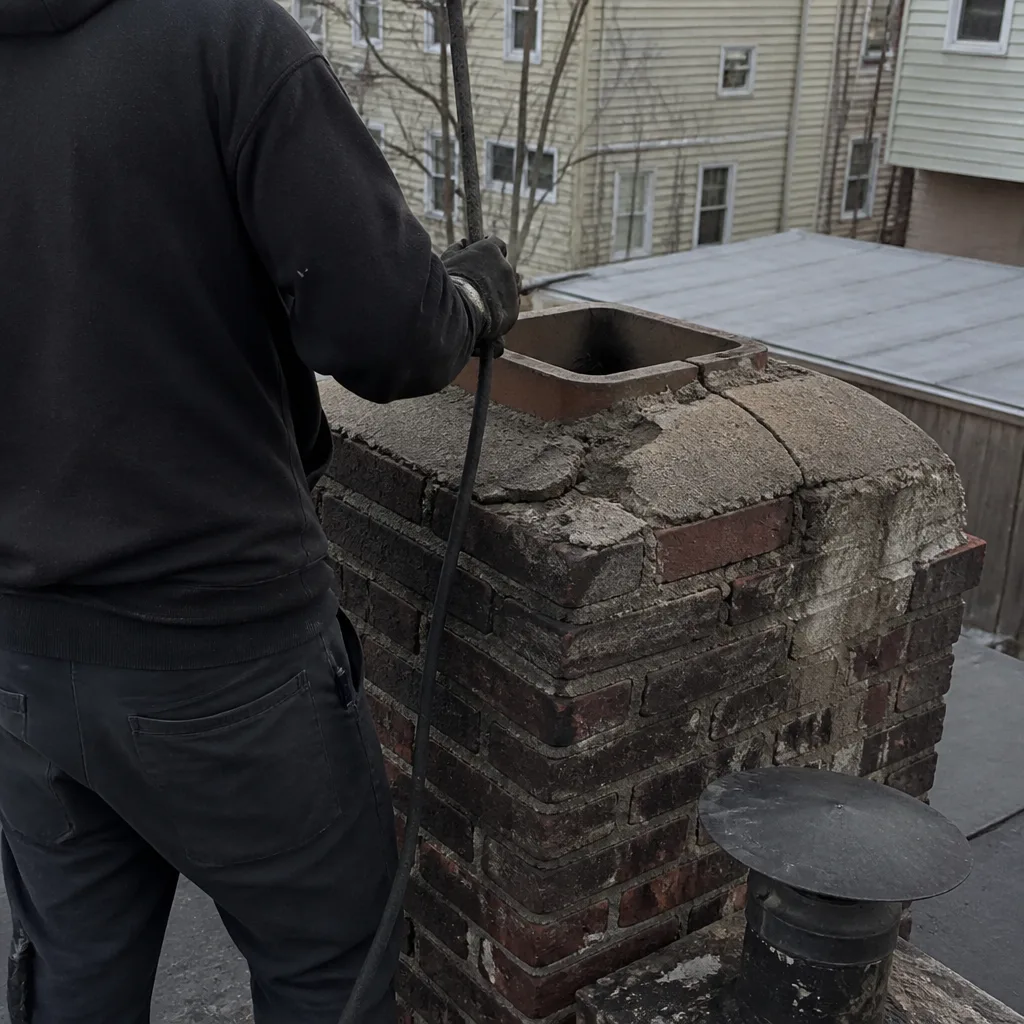 Before
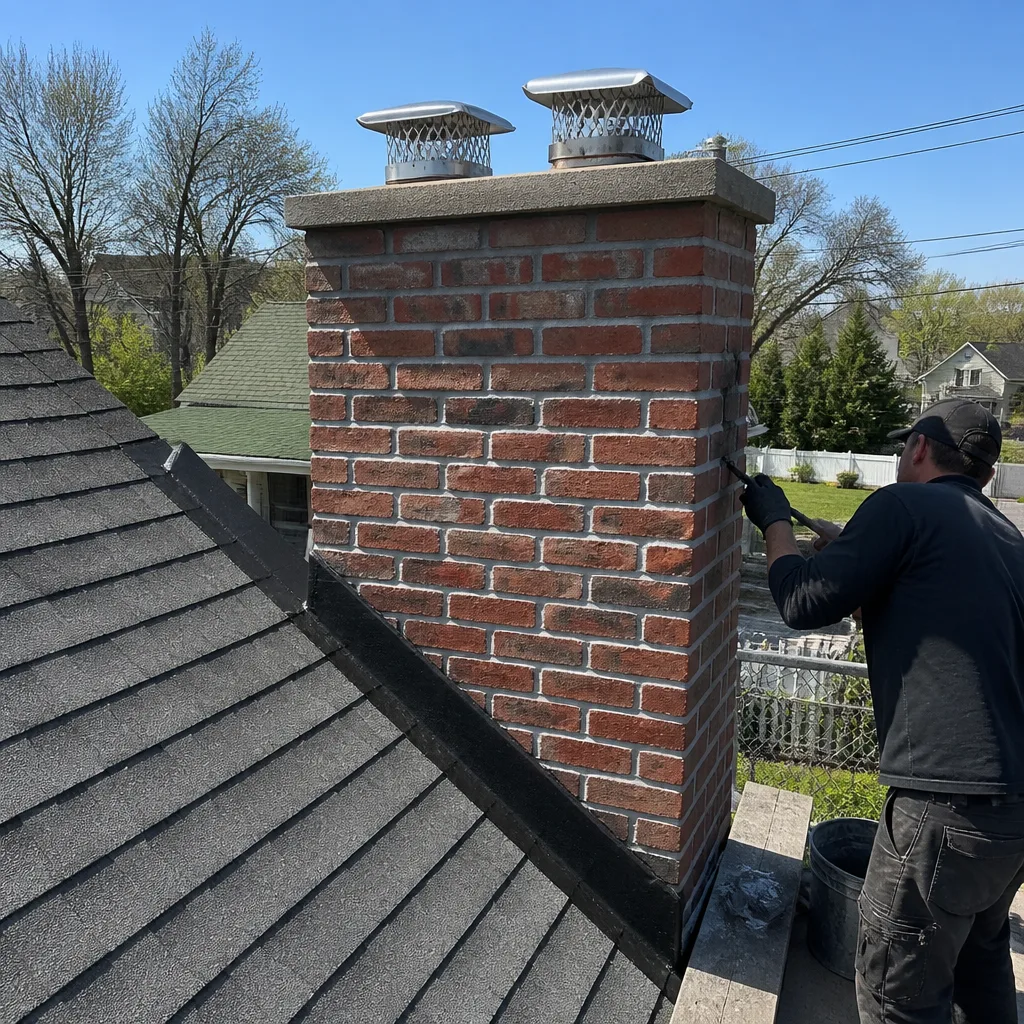 After
AfterChimney Cleaning Permits, Codes & Inspections in NY: What You Need to Know
A chimney cleaning never requires a permit in New York. Not in NYC, not in Queens, not anywhere else in the state. If a contractor tells you it does, either they’re confused about the work they’re proposing to do, or they’re using permit paperwork as a billing line item for work that doesn’t need it. That distinction matters more than most homeowners realize, especially in Astoria, where 100-year-old brick chimneys and modern liner systems sit side by side. This guide walks through exactly where the line falls between maintenance and alteration, what NFPA 211 actually requires, and how to verify a sweep is doing right by the code without needing to read the code yourself. For a deeper dive, see our Complete Guide to Chimney Cleaning in Astoria.
Quick Answer
Chimney cleaning, sweeping, and Level 1 visual inspections require no permit anywhere in New York State. Permits enter the picture only when work crosses into alteration or installation: relining, rebuilding, structural repair, or changing the flue’s configuration. If you’re just getting the creosote out, no paperwork is required and no one should be charging you for it.
Table of Contents
- The Line That Actually Matters: Cleaning vs. Alteration
- NYC Building Code Chapter 28: What It Says Without the Legalese
- When a Liner Replacement Crosses Into Permit Territory
- NFPA 211: What It Is and Why Sweeps Reference It
- Inspection Levels 1, 2, and 3 Explained in Plain Terms
- What a Legitimate Inspection Report Should Document
- Why This Paperwork Matters for Insurance Claims and Home Sales
- How to Verify a Sweep Without Reading the Code Yourself
- Common Mistakes to Avoid
- When to Call a Professional
- Frequently Asked Questions
- The Bottom Line
The Line That Actually Matters: Cleaning vs. Alteration
New York draws one regulatory line through chimney work, and every permit question comes down to which side of it you’re standing on. Maintenance means removing what doesn’t belong: creosote, soot, debris, bird nests, dead squirrels. Alteration means changing what’s already there: cutting out a clay tile, installing a new liner, rebuilding brick, reconfiguring the flue opening.
Maintenance never requires a permit in any New York jurisdiction. Alteration almost always does, under both the NYC Building Code and the state codes that apply outside the five boroughs. The logic is simple: brushing out a flue changes nothing structurally, so there’s no submittal to review and no field inspection to schedule. Once you start modifying the system itself, the work becomes subject to the same permit and inspection process as any other structural or mechanical modification to the home.
This is where things get murky for homeowners in older Queens housing stock. A Astoria rowhouse with an original unlined or clay-tile-lined flue is far more likely to need a liner installation than a suburban house built in 1995. And liner installation is textbook alteration. We’ve seen contracts where a company quotes a “chimney cleaning with permit fee” for a straightforward sweep-and-cap job, and that line item is pure invented cost. Learn the Chimney Cleaning Warning Signs every Astoria homeowner should watch for before you sign anything.
NYC Building Code Chapter 28: What It Says Without the Legalese
Chapter 28 of the New York City Building Code governs maintenance of buildings and their systems, including chimneys. The chapter’s core requirement is that building owners keep chimneys “in a safe and sound condition” and perform maintenance as needed to prevent unsafe conditions. Cleaning falls squarely under this maintenance mandate. No work permit, no filing, no inspection is required for removing accumulated creosote or debris.
What Chapter 28 does require is that when repair or alteration work does occur, it’s done by a licensed or registered contractor where applicable, with the necessary permits pulled before work starts. In New York City, a plumbing license is required for connecting certain gas venting, and structural chimney work generally falls under a general contractor’s purview with the appropriate Department of Buildings filing. A homeowner pulling an “I’ll just do it myself” liner replacement in Queens is working illegally in most cases, and if there’s a fire, the insurance carrier will notice.
One practical note for Astoria readers: some pre-war buildings in this part of Queens fall under historic district or Landmarks Preservation Commission review in addition to DOB oversight. A house with a landmarked facade may have additional restrictions on what can be done to an exterior chimney stack. Most of the chimneys we work on in the Ditmars-Steinway and Astoria Heights neighborhoods aren’t landmarked, but the ones along the historic corridors sometimes are. Worth checking before exterior masonry work.
When a Liner Replacement Crosses Into Permit Territory
A stainless steel liner installation doesn’t merely slip a new pipe inside an old flue. It changes the flue’s diameter, its material, its clearance characteristics, and its listing. That’s an alteration under New York codes. Permits are required, and in New York City, the work typically needs to be performed by a contractor who can show the DOB the product listing, the sizing calculations, and the installation particulars.
What does the process actually look like for a Queens homeowner? Here’s the sequence in general terms:
- Inspection first. A Level 2 camera inspection documents the existing flue’s condition and establishes why the liner is needed. This report becomes supporting documentation.
- Permit filing. The contractor files with the DOB for the alteration. The filing includes the chosen liner’s make and model (we work primarily with DuraFlex and HeatShield systems, both of which have the required listings and are widely accepted by NYC reviewers), sizing calculations based on the appliance BTU input and flue height, and the installation plan.
- Approval and work. Once approved, the liner install proceeds. The old flue is cleaned, the new liner is dropped, insulated where required, connected to the appliance, and terminated with a proper cap.
- Final inspection. A DOB inspector verifies the work matches the filing. This closes out the permit.
The entire process for a typical Astoria rowhouse takes between two and six weeks depending on the DOB’s queue and the complexity of the flue run. Homeowners who skip the permit save short-term cost and accept long-term exposure, because unpermitted liner work is one of the first things an insurance adjuster flags after a chimney fire.
NFPA 211: What It Is and Why Sweeps Reference It
NFPA 211 is the National Fire Protection Association’s standard for chimneys, fireplaces, vents, and solid fuel-burning appliances. It’s not a law by itself, but New York State’s Uniform Fire Prevention and Building Code incorporates it by reference in relevant parts, and every competent sweep in the state works to its requirements. When a sweep references NFPA 211, they’re not citing an optional guideline; they’re citing the technical standard that underpins the enforceable fire code.
What NFPA 211 actually requires of homeowners is straightforward:
- Chimneys, fireplaces, and vents must be inspected at least once a year for soundness and freedom from deposits.
- Cleaning must happen whenever creosote buildup reaches a level determined unsafe, but no less frequently than the annual inspection provides for.
- Chimney liners must be sized to the appliance they serve, must be continuous and free of cracks, gaps, or separations, and must be made of a material rated for the flue gas temperature of the attached appliance.
- Connectors (the pipe between your appliance and the chimney) must be secure, properly supported, and sloped as required.
The practical effect in New York is threefold. First, the annual inspection is not a recommendation; it’s the expected baseline. Second, creosote thickness determines urgency: NFPA 211 uses a three-stage creosote classification, and stage three glazed creosote cannot be brushed out effectively, which changes the scope of the work from cleaning to remediation, and in some cases, to liner replacement, which loops back to the permit question above. Third, the standard provides the criteria for inspection levels that determine how deep a sweep must go.
Inspection Levels 1, 2, and 3 Explained in Plain Terms
NFPA 211 defines three inspection levels. Most homeowners only ever need Level 1. The levels aren’t arbitrary tiers of thoroughness; they’re scoped responses to particular conditions. Here’s how each one works in plain language:
Level 1: The annual baseline. The sweep examines the readily accessible portions of the chimney interior and exterior. No camera, no dismantling. They’re looking for obvious problems: heavy creosote, visible flue cracks, missing mortar, animal nests, damaged caps. In Astoria, the standard Level 1 on a typical townhouse takes 30 to 45 minutes. This is the inspection that should accompany every cleaning, every time, no exceptions. Once a year, burn or no burn. See our Chimney Cleaning & Sweep Maintenance Checklist for Astoria Homeowners for a full breakdown.
Level 2: The camera inspection. This is triggered by a change in the system: a new appliance, a new liner, a new home purchase, a chimney fire, a seismic event, or a real estate transfer. The sweep runs a camera system up the flue and documents the interior condition end to end. This is the inspection that catches what a Level 1 can’t: a cracked tile twenty feet up, a separated mortar joint behind a finished wall, a collapsed section hidden in a mid-floor rise. In our experience, roughly one in five Level 2 inspections in older Queens homes finds something that changes the remediation plan.
Level 3: The invasive inspection. When a Level 2 finds something that can’t be fully characterized without opening up the structure, a Level 3 inspection involves removing portions of the chimney or surrounding construction to access concealed areas. This is rare. It’s used when a fire has likely damaged the flue internally or when a Level 2 result suggests critical structural unsoundness. A Level 3 is never a routine call.
The key takeaway for a homeowner: if a sweep insists you need a Level 2 for a routine annual cleaning with no system changes, ask why. If they tell you a Level 1 doesn’t matter and they only do “full” inspections, that’s upsell in coverage. If they recommend a Level 1 after you’ve just bought the house, that’s inadequate. The trigger conditions are specific, and a sweep who knows the code can explain them in one sentence.
What a Legitimate Inspection Report Should Document
An inspection report isn’t a formality. It’s the document that proves to your insurance carrier, your mortgage holder, or the buyer’s attorney what condition the system was in on a particular date. In New York, where real estate transactions routinely involve chimney inspections as a condition of closing, the quality of that report matters.
A legitimate report should include every one of these elements:
- The inspection level performed, with a one-sentence justification for anything above Level 1.
- Flue dimensions and configuration: interior diameter, total height, number of offsets or elbows, and the presence or absence of a liner.
- Creosote classification: first, second, or third degree, measured at multiple points along the flue, with thickness estimates for any third-degree accumulation.
- Structural observations: masonry condition, mortar joint integrity, crown condition, cap presence and type, flashing condition at the roofline, and any signs of water intrusion.
- Clearances: distance between the flue and combustibles at each level where accessible, with note of any violations.
- Appliance connections: the condition of the connector pipe, the thimble, and the appliance draft.
- Photographic documentation: stills from the camera run, especially any defect found. A report without photos is not a report; it’s an opinion.
- Recommendations with a clear priority: what needs attention now, what can wait, and what’s optional. A sweep who tells you everything is urgent is not inspecting; they’re selling.
Wendell’s standing rule on this has never changed: the camera footage and a plain-English verdict, every time, no exceptions. If a sweep won’t put the defects in writing with photos, walk.
Why This Paperwork Matters for Insurance Claims and Home Sales
When a chimney fire or water-damage claim lands on an adjuster’s desk in New York, the first question they ask is when the chimney was last inspected. If the answer is “I don’t have records” or the records are a one-line receipt from a company that no longer exists, the claim gets complicated fast. If the answer is a dated, photo-documented inspection report showing a Level 1 or Level 2 performed within the previous twelve months, the process stays cleaner.
On the real estate side, the dynamic is even more direct. Buyers of older Astoria homes are increasingly making their offers contingent on a Level 2 chimney inspection, and their attorneys are reviewing the report with the same attention they give the termite certification. A seller who can produce a clean inspection report from a named, licensed sweep removes one of the easiest negotiating levers the buyer has. A seller who can’t is looking at a credit, a price reduction, or a lost deal.
This is where the documentation standard matters in a concrete, local way. In Astoria, homes routinely change hands between families who have owned them for forty years and buyers who have never lit a wood fire in their lives. The inspection chain matters because the obligation to maintain the chimney under Chapter 28 transfers with the title. The new owner inherits both the chimney and the exposure. A one-page report from a sweep who cameras the flue and documents what he sees converts an unknown into a known. That’s the whole game.
How to Verify a Sweep Without Reading the Code Yourself
You don’t need to read Chapter 28 or NFPA 211 to verify that a sweep is operating within code requirements. You need to ask the right questions and look for the right documents. Here’s the five-step check Wendell recommends to anyone in Astoria who asks him how to vet a sweep. For more guides & resources, visit our blog:
- Ask for the license number up front. In New York City, chimney work doesn’t have its own license category, but the company should hold a valid Home Improvement Contractor license from the Department of Consumer Affairs. Write the number down and check it against DCA’s public database. A sweep who won’t give you a number you can verify has told you everything you need to know.
- Ask whether cleaning includes a Level 1 inspection, and get that in writing. A cleaning without an inspection is a half-job. The annual requirement in NFPA 211 is inspection-based. Any sweep who quotes cleaning alone without the inspection is leaving out the part the code actually cares about.
- Ask what happens when the camera goes up. Every credible sweep in New York performs camera-aided inspections for Level 2 work. If they don’t own a camera system, or they tell you they can “see enough” without one, that’s a company cutting corners on equipment, and the corners they’re cutting are yours.
- Ask about creosote classification. The word “creosote” on its own isn’t diagnostic. Ask them to classify what they find as first, second, or third degree, and ask what each classification means for the next step. A sweep who can’t explain the three stages in plain terms hasn’t bothered to learn the standard they’re supposed to be working to.
- Ask for the report before you pay. The inspection report is the deliverable. If the sweep wants payment before you receive a written report with photos and recommendations, the incentive structure is wrong. In our shop, the report is printed or emailed before the invoice is processed.
These five questions cover the code’s practical spine without requiring you to read a single section. If a sweep clears all five, they’re operating at the level the standard expects. If they stumble on two, keep looking.
Common Mistakes to Avoid
- Paying a “permit fee” for a cleaning. Cleaning requires no permit in New York. If a permit line item appears on a quote for a straightforward sweep, someone is blurring the line intentionally. Ask what work they’re proposing that would trigger a permit. Watch their answer.
- Skipping the Level 1 inspection because the fire “worked fine last winter.” Your flue doesn’t care how the fire looks. It cares how it breathes. Stage two creosote accumulates silently in a flue that has been drafting fine for years, right up until it doesn’t.
- Accepting a liner recommendation without camera evidence. A liner replacement is a $4,000 to $9,000 job in Astoria depending on the flue run. If a sweep recommends it based on “experience” rather than documented camera footage of a cracked tile or separation, get a second opinion. That’s what our Chimney Repair in Astoria service exists for: a straight answer with the footage to back it.
- Treating an unpermitted liner installation as a harmless shortcut. It is the single most common finding that turns a routine insurance claim into a denied one. The savings evaporate instantly when the adjuster asks for the permit file.
- Assuming all pre-war Astoria chimneys need liners. Some do, some don’t. A well-maintained clay tile flue that passes a Level 2 camera inspection can serve for many more years. The camera decides, not an assumption about the house’s age.
- Hiring a sweep who can’t produce a written report for the last job he did. Documentation is the product. No report, no accountability.
- Confusing a home inspector’s chimney note with a chimney inspection. A home inspector looks at the fireplace from the living room. A Level 2 chimney inspection cameras the flue end to end. These are different scopes with different finding power. When a home inspector flags a chimney, the follow-up is a chimney inspection, not a repair quote.
When to Call a Professional
Call a sweep when you’ve just bought a home with a solid-fuel appliance and no inspection records. Call one when you smell smoke inside after the fire is out, when you notice a soot stain developing on the ceiling near the flue run, when the chimney produces visible smoke or a strong creosote odor mid-season, or when a fireplace starts drafting poorly after years of performing fine. Call one after any chimney fire, no matter how small it seemed at the time. And call one if you haven’t had an inspection in more than a year, even if you haven’t burned anything. Chimneys break in the off-season too.
If you’re in Astoria, Top Hat Chimney offers free estimates and a live person on every call. Call (929) 822-6306 and Wendell or one of his crew will answer. No call center, no pushy upsell, just a straight answer.
Frequently Asked Questions
No. A chimney cleaning requires no permit anywhere in New York State, including New York City. Cleaning is classified as maintenance under NYC Building Code Chapter 28, and maintenance work does not trigger permit requirements. If a contractor quotes you a permit fee for a cleaning, ask them to show you the specific code section requiring it.
Liner installation, liner replacement, structural masonry repair, chimney rebuilding, flue resizing, and any work that changes the configuration of the venting system all require permits in New York City. The work typically must be filed with the Department of Buildings and pass a final inspection after completion. Routine cleaning, Level 1 inspections, and cap replacement (when not structural) generally do not require permits.
Once a year, burn or no burn. NFPA 211 sets the annual inspection standard, and New York State fire codes incorporate that standard. In our experience, Astoria homeowners who burn regularly from November through March run their flues harder than the code’s baseline assumes, and an annual mid-summer or early-fall sweep plus inspection is the right cadence.
Only if the camera footage shows it. A Level 2 inspection documents the flue’s interior condition, and a legitimate liner recommendation is based on that footage: a cracked tile, a separated joint, a gap that violates clearance requirements, or corrosion that compromises the flue’s integrity. Ask to see the footage. If the sweep can’t produce it, get a second opinion before authorizing work. A liner is a major alteration with a permit requirement, not a casual upsell.
Creosote accumulates in stages. First-degree creosote is a brush job. Third-degree is a glaze, and by that stage the chemical and fire risk has changed materially. An unserviced flue can develop hidden damage that a visual check from the hearth won’t reveal. The longer the interval between inspections, the more likely a routine chimney fire or a carbon monoxide incident, and the more likely your insurance carrier declines the claim when the records show a five-year gap.
Most New York homeowners insurance policies do not mandate annual inspection as a policy condition, but they do require that the homeowner maintain the property in a safe condition. When a chimney fire claim is filed, the adjuster will almost always request documentation of the most recent inspection. A dated, photo-documented report from a licensed sweep is the standard response. Without it, the claim often gets denied or reduced. Call (929) 822-6306 for an exact quote, estimates are free.
The Bottom Line
Chimney work in New York splits cleanly into two categories, and the permit question hinges on which one you’re facing. Cleaning and inspection are maintenance: no permit, no filing, no bureaucratic overhead. Alterations are construction: permit required, filed with the DOB, inspected on completion. The contractors who blur this line are the ones counting on you not knowing the difference. Know the difference, insist on camera documentation for anything structural, keep your annual inspection records, and when the time comes for work that does need a permit, use a sweep who puts his name and license number on the job. If you’re already in Queens and need a straight answer, call (929) 822-6306 and we’ll give you one.
Written by Wendell Pike, Owner at Top Hat Chimney, serving Astoria since 1999.