
Last updated September 10, 2026
Level 1 sweep and inspection to the NFPA 211 annual standard - flue, crown, cap, and flashing checked and photographed
Chimney sweep logs do not sweep chimneys. They loosen some creosote - which then falls where a brush and vacuum still have to collect it.
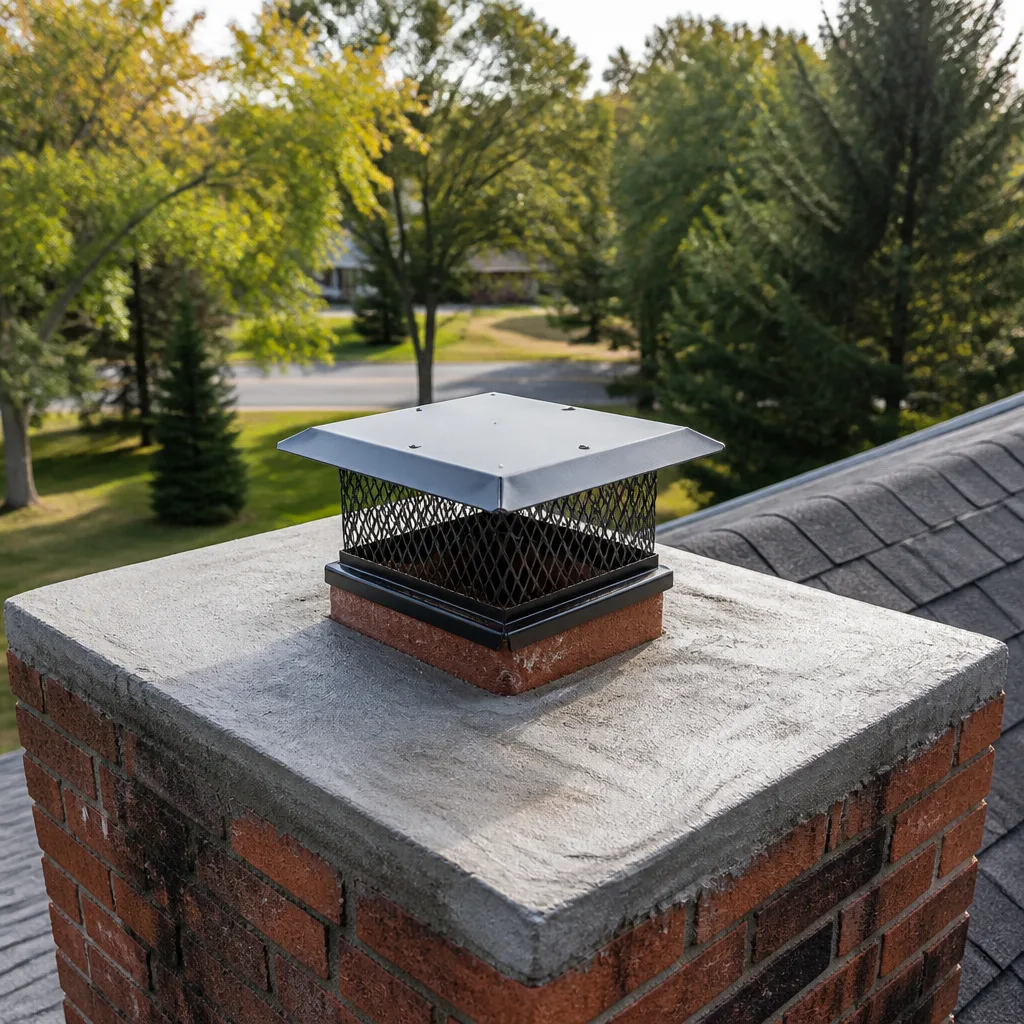
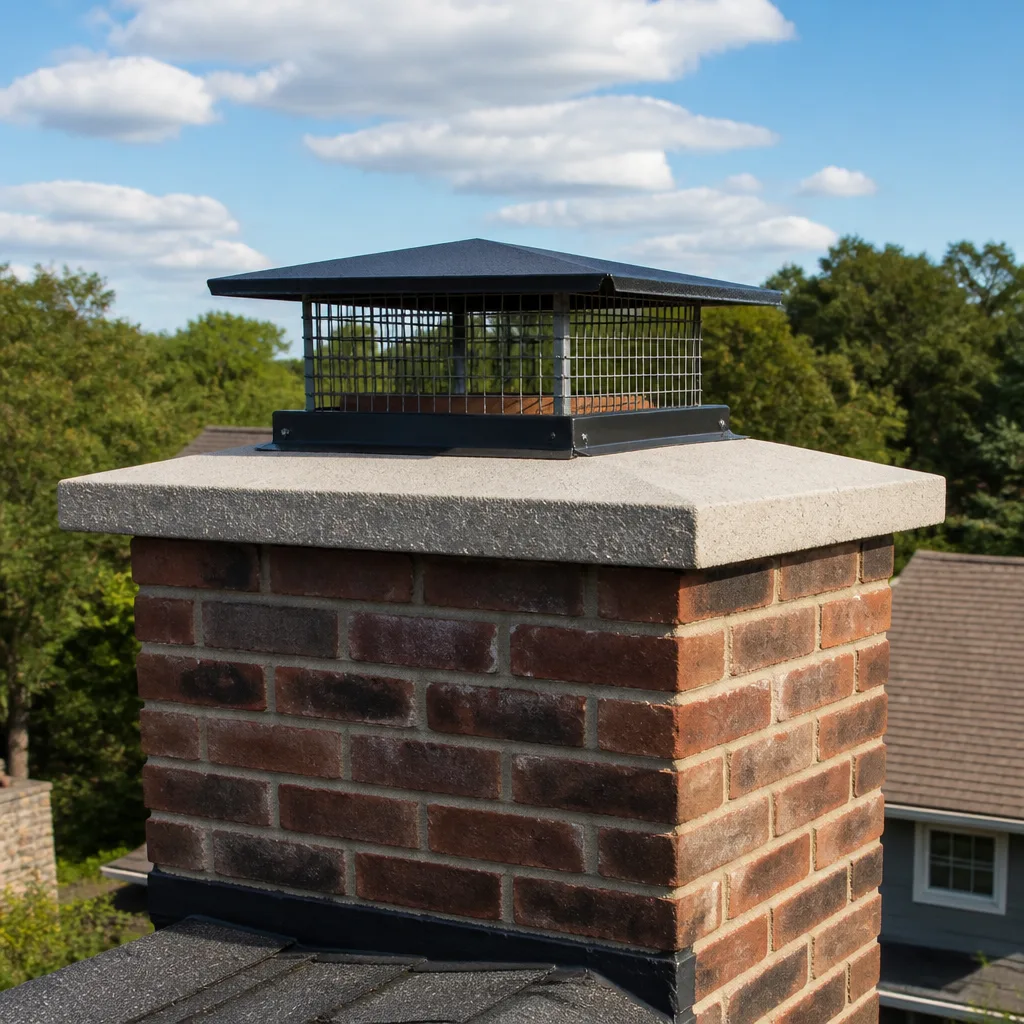
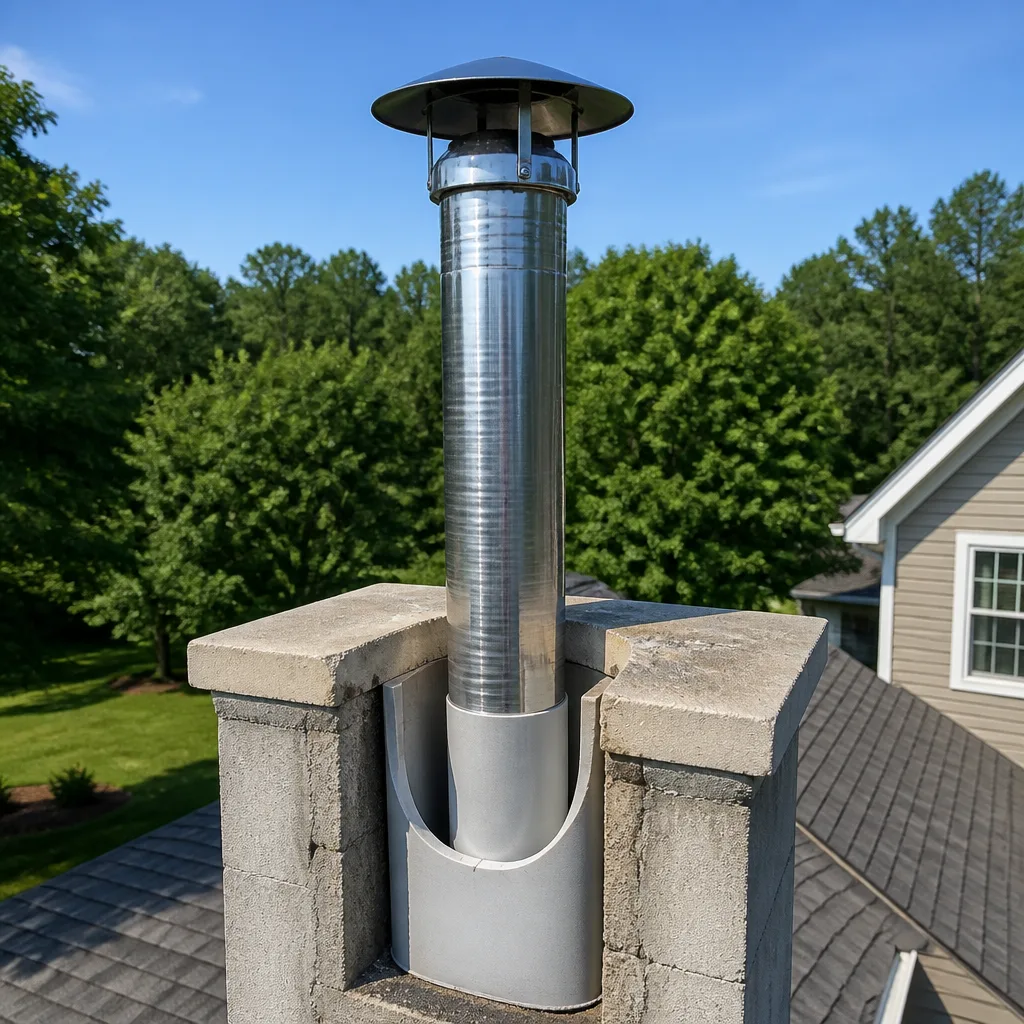
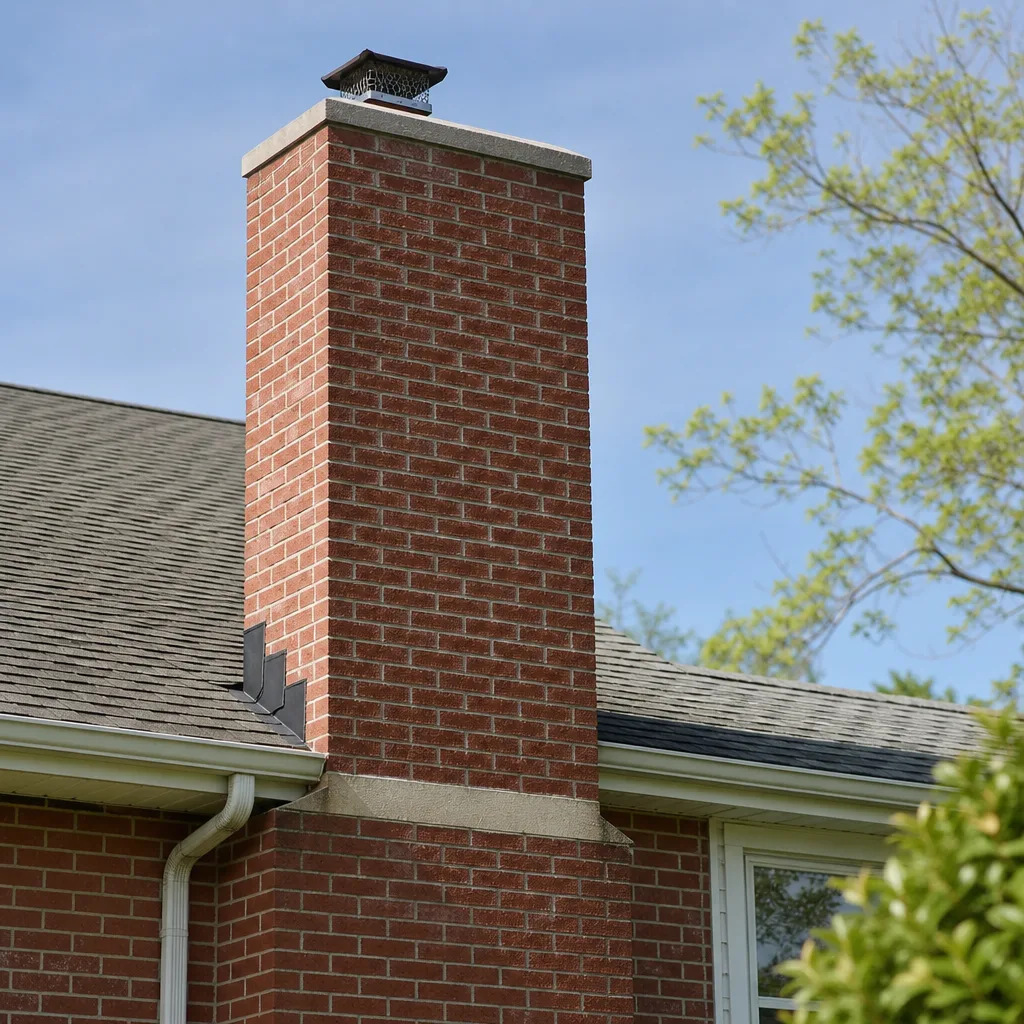
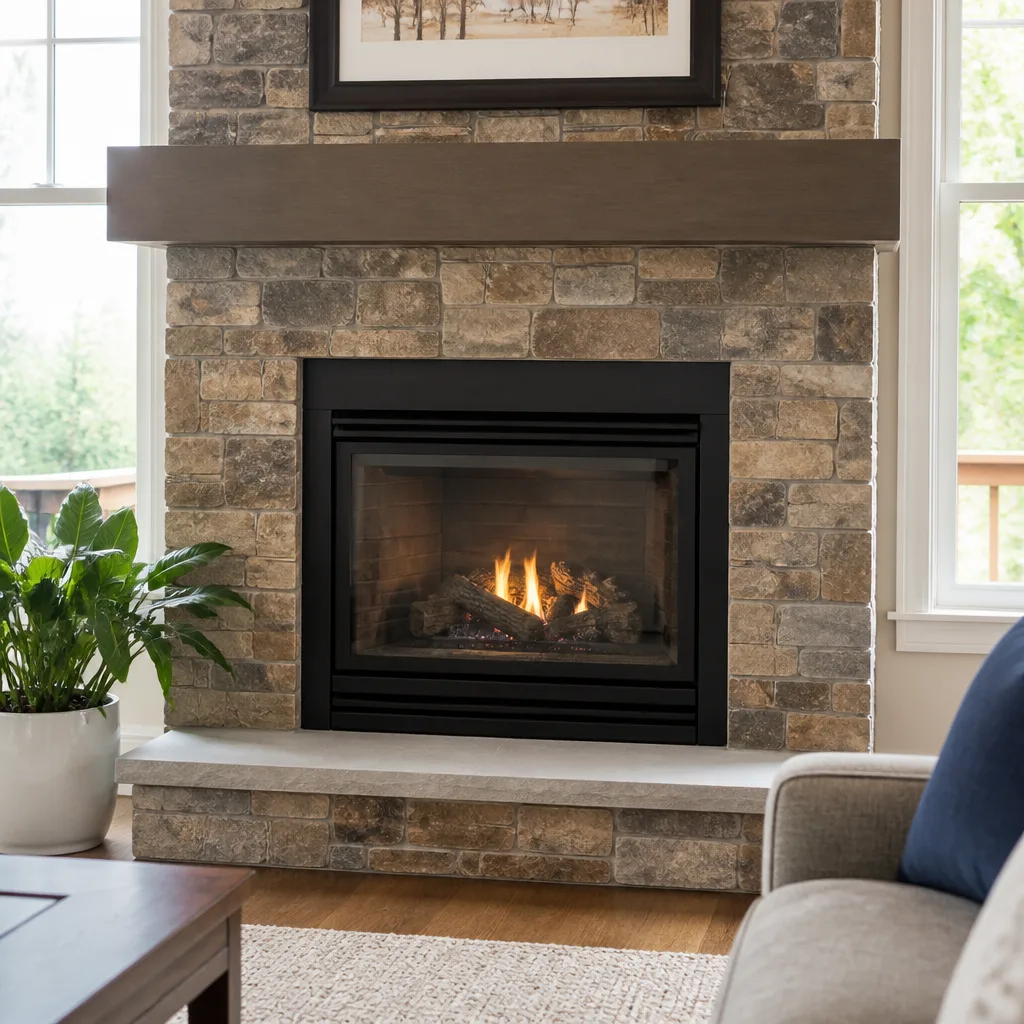
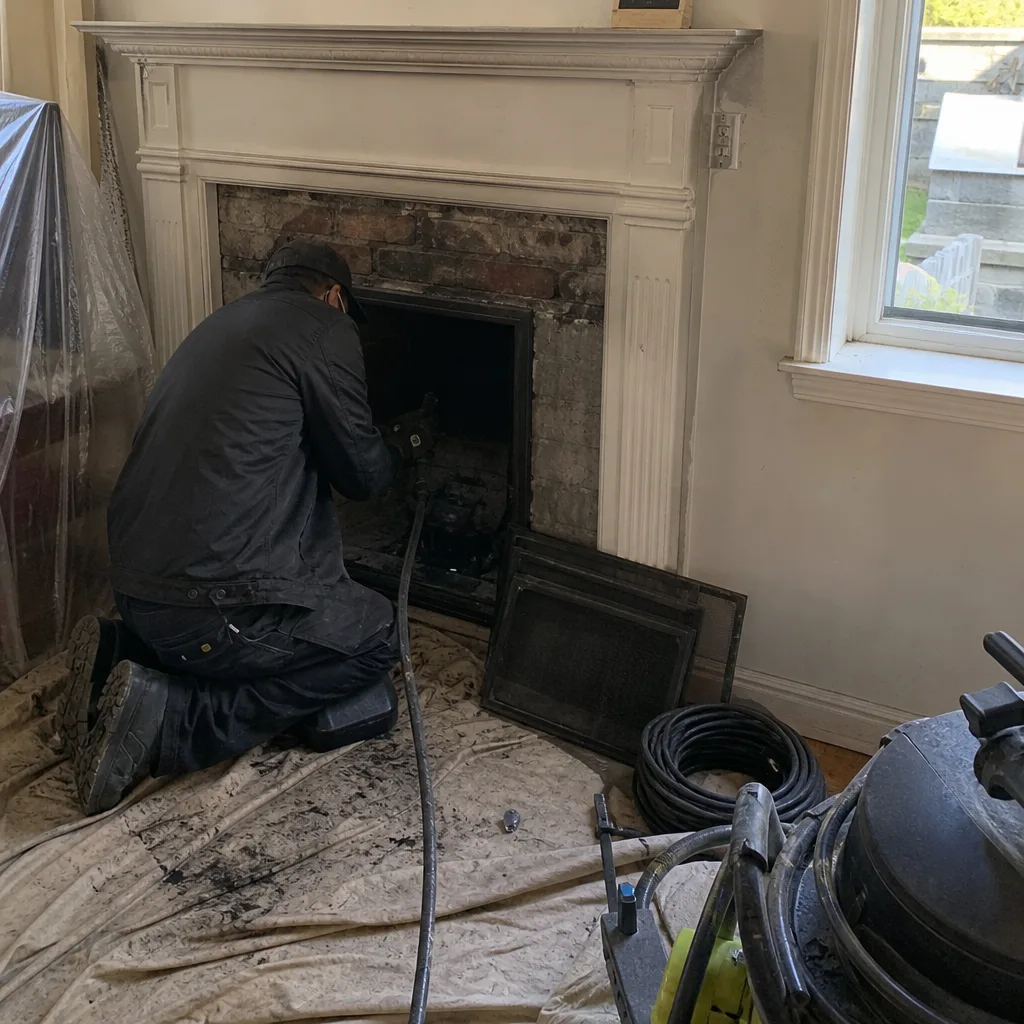 Before
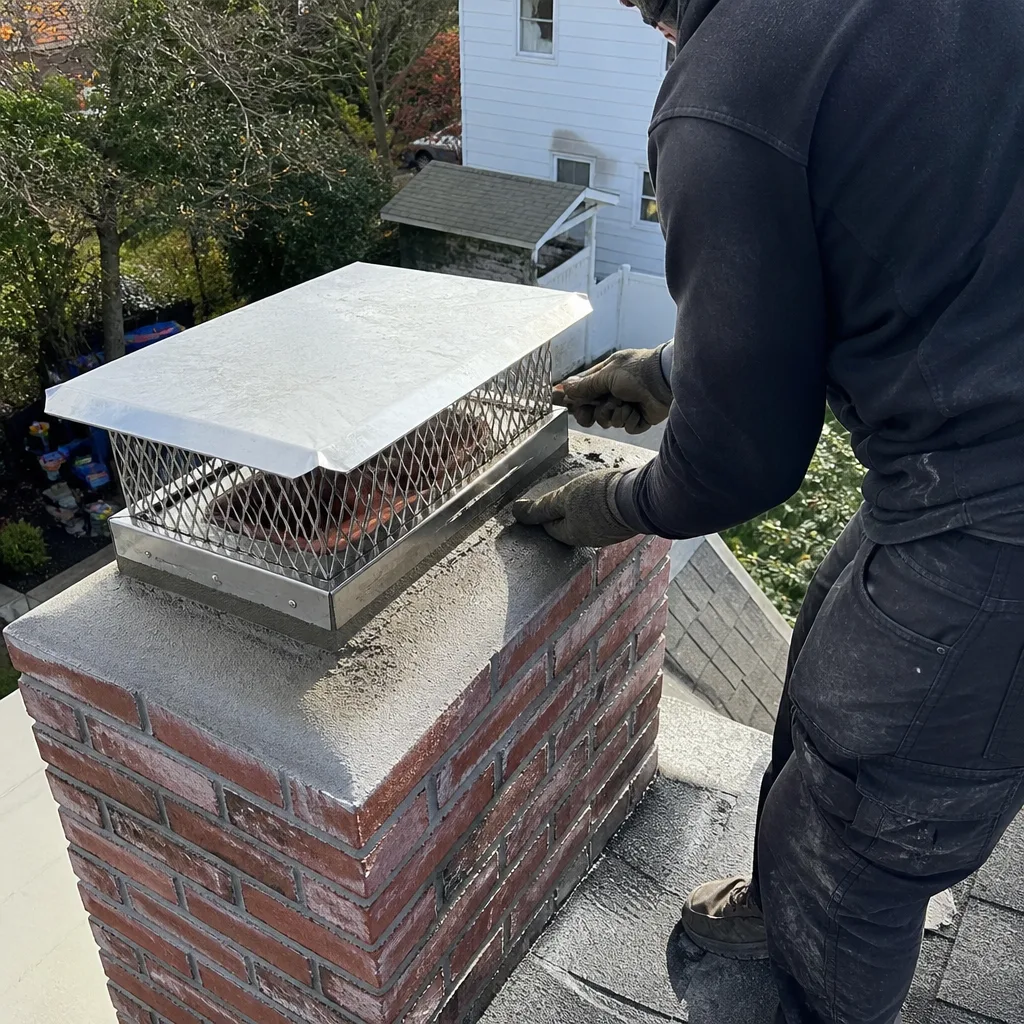 After
After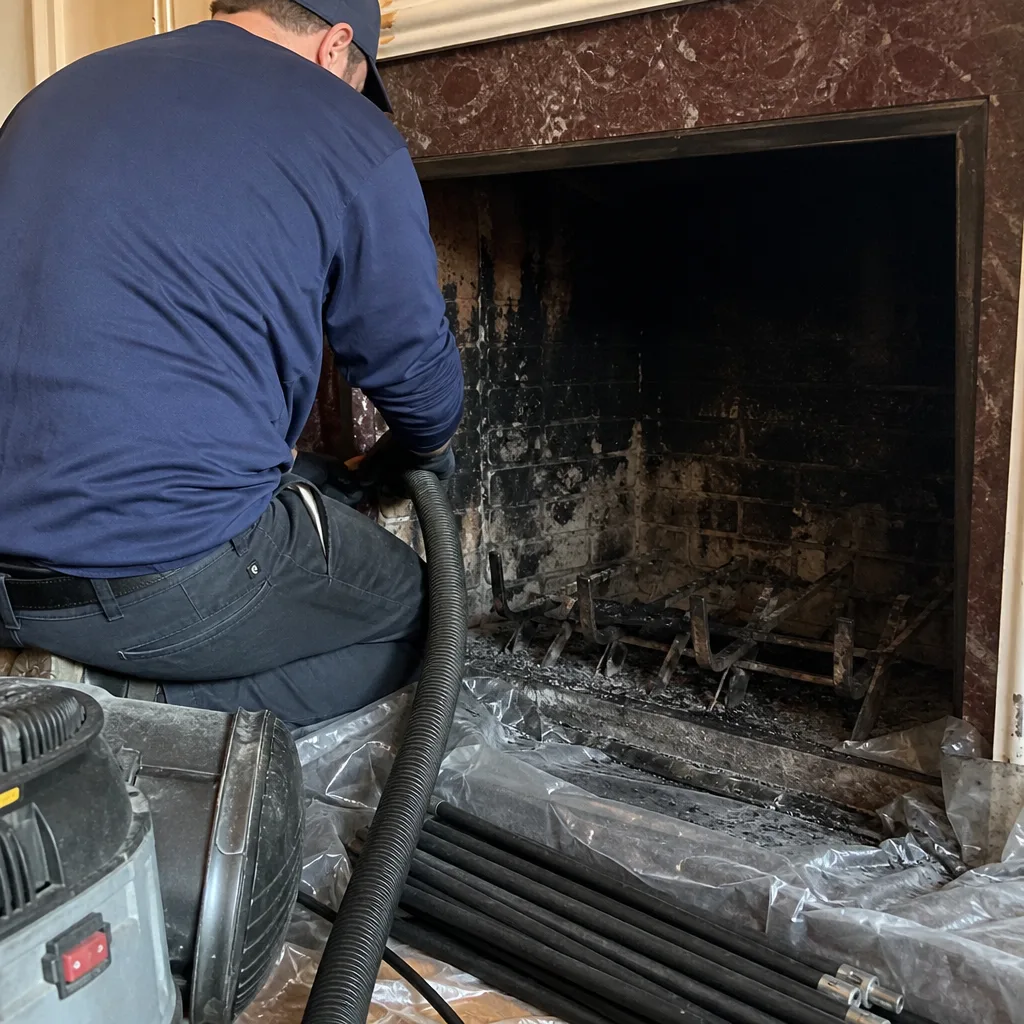 Before
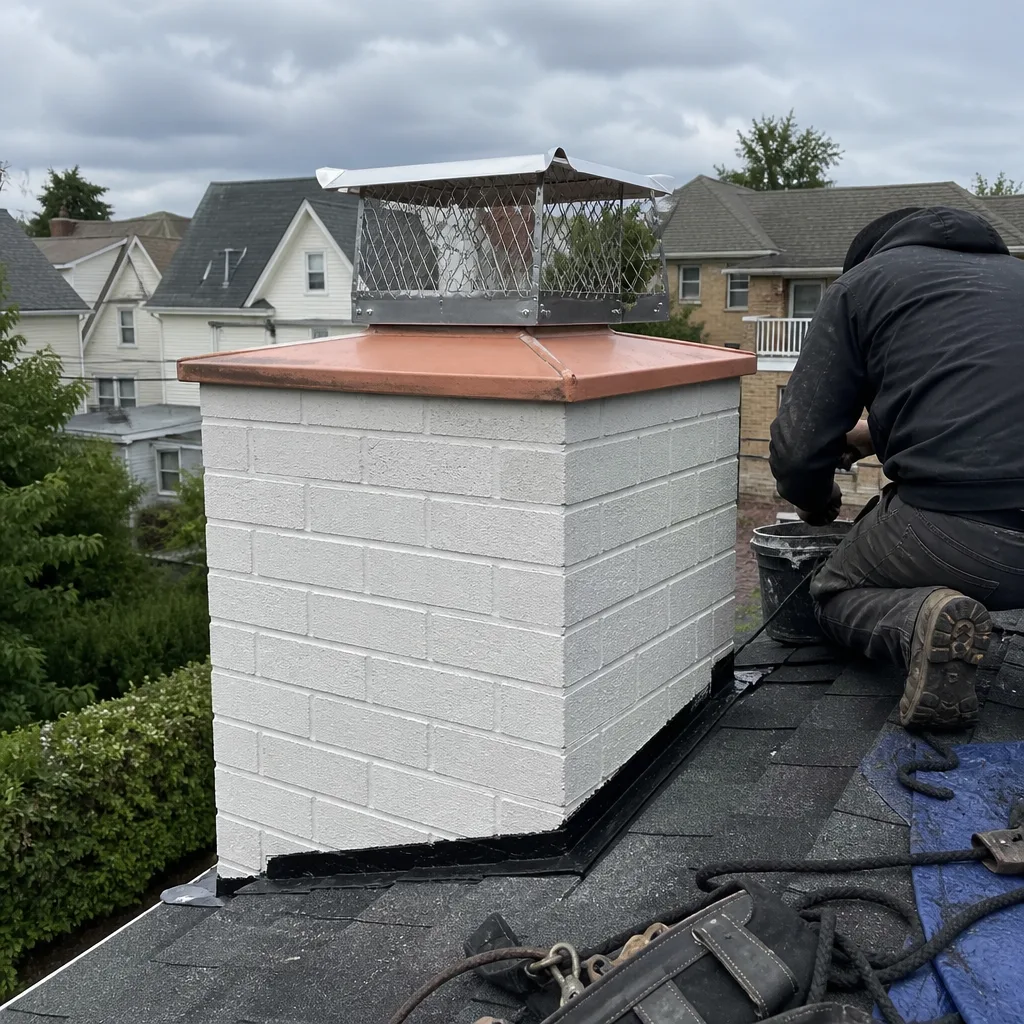 After
After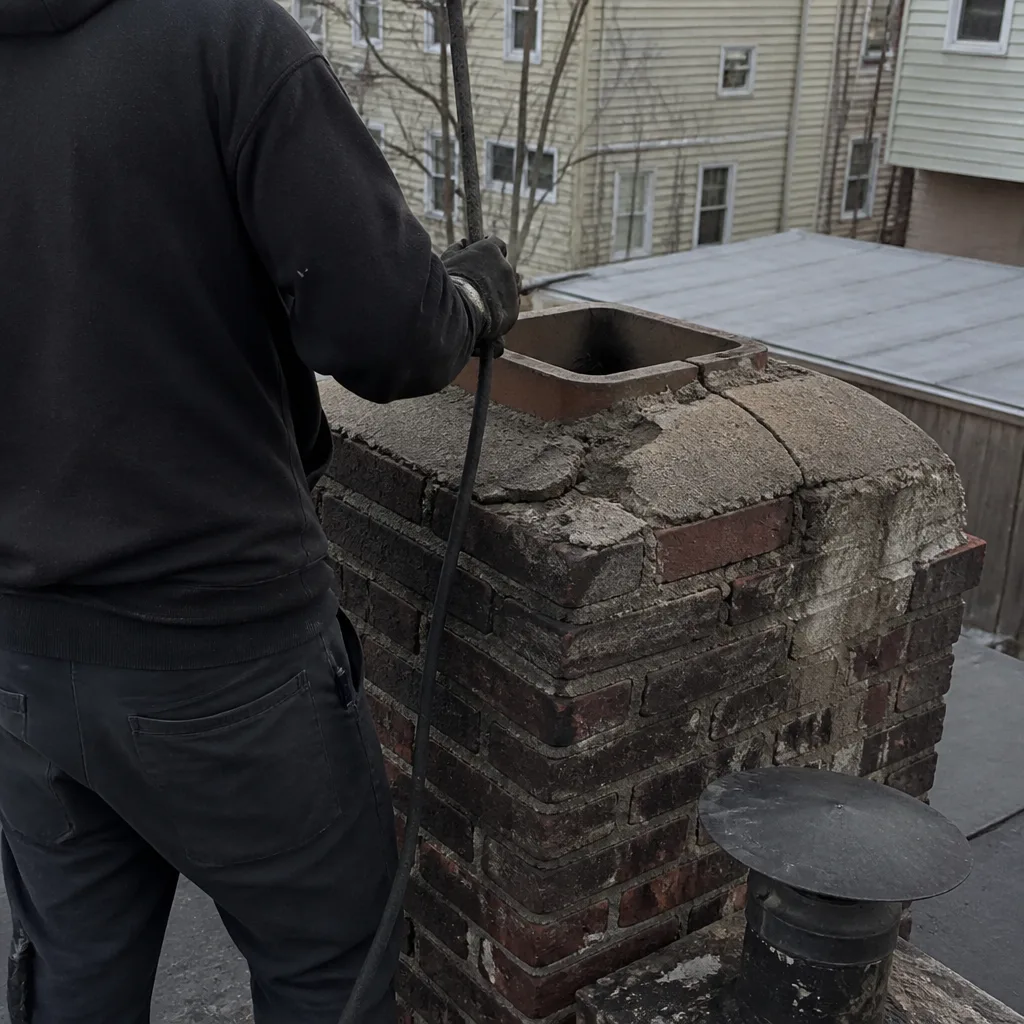 Before
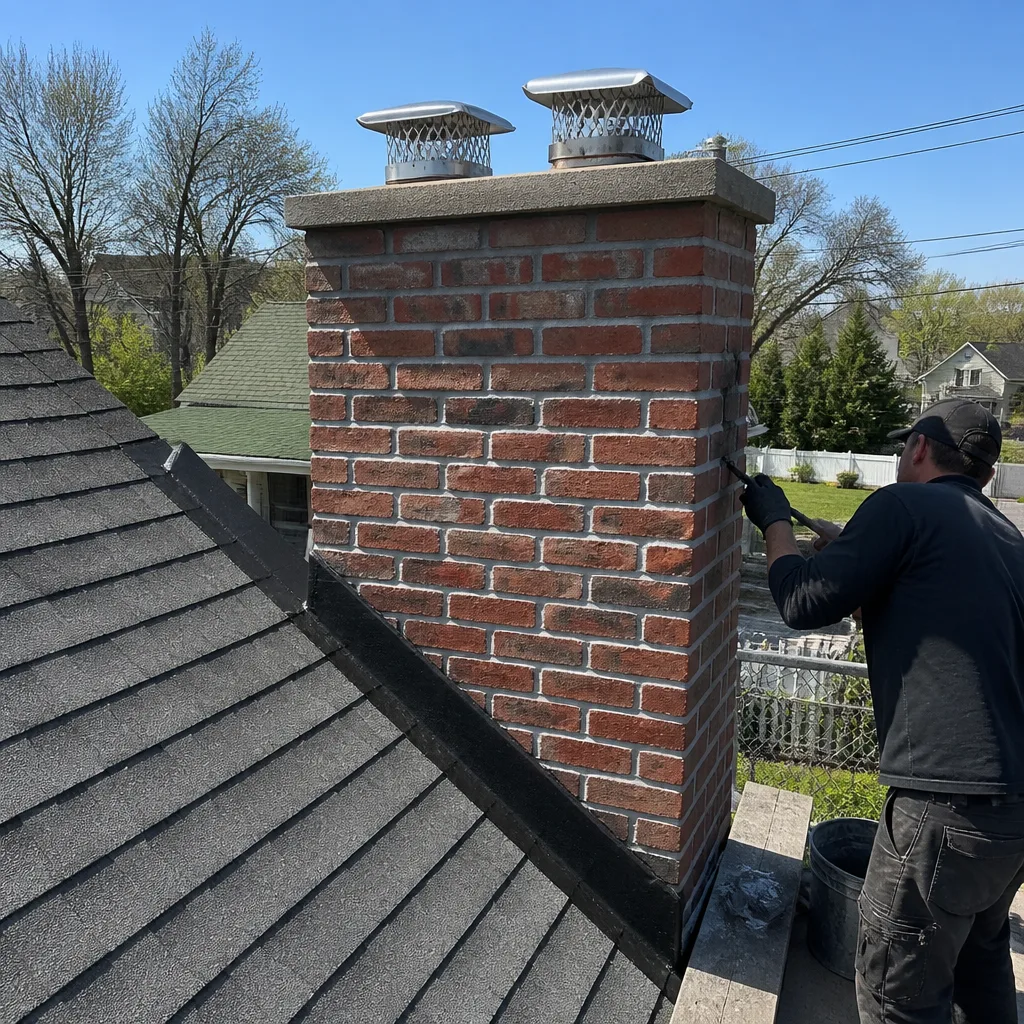 After
AfterChimney Cleaning Warning Signs: A Astoria Homeowner’s Reference Guide
The smell of a chimney problem usually arrives six to eight weeks before any visible sign does. A persistent musty or smoky odor in a room with a sealed fireplace is one of the most ignored early warnings in Astoria homes. In attached rowhouses and prewar apartment conversions, that smell can travel through shared walls before you ever see a flake of soot. This guide is built to give you the observational vocabulary to describe what you’re seeing, smelling, and hearing accurately, and to know which signs mean “schedule a sweep this month” versus “don’t light that fire tonight.”
Quick Answer
The most common chimney warning signs in Astoria are a persistent musty or smoky odor with the damper closed, visible white staining on exterior brick, rust on the damper or firebox, debris falling into the fireplace, and smoke rolling back into the room on startup. If you notice any of these, stop using the fireplace and schedule an inspection. A routine cleaning costs a fraction of what a liner rebuild costs, and most warning signs are visible or smellable months before they become dangerous.
Table of Contents
- Smell-Based Warning Signs: What Each Odor Points To
- Visual Exterior Warnings You Can Check From the Sidewalk
- Interior Signs Specific to Astoria’s Older Housing Stock
- Schedule a Cleaning vs. Do Not Use: The Critical Distinction
- What to Tell the Sweep When You Call
- Astoria’s Climate and What It Does to Chimneys
- Common Mistakes to Avoid
- When to Call a Professional
- Frequently Asked Questions
Smell-Based Warning Signs: What Each Odor Points To
Your nose is the most underused diagnostic tool in the house. Wendell has walked into hundreds of Astoria living rooms where the homeowner had been living with a smell for an entire winter, assuming it was “just how old fireplaces are.” It isn’t. Here’s what each distinct odor points to, and why it matters.
A musty, damp smell with the damper closed points to water getting into the flue. In Astoria, where winter Nor’easters drive rain sideways against brick facades, a cracked crown or failing cap can let water in for months before you see staining on the ceiling or wall. That musty smell is mildew forming on creosote deposits inside the flue. Left alone, it accelerates mortar deterioration and can require tuckpointing or a crown rebuild that a simple crown seal would have prevented. This is a “schedule soon” smell, not a “call 911” smell, but it is the single most ignored early warning in older New York housing stock.
A sharp, smoky smell that appears when the fireplace isn’t in use, especially on windy days, points to backdrafting or a partial blockage. Your flue should work like a one-way chimney: air goes up, not down. When a nested bird, a fallen section of tile liner, or heavy creosote accumulation narrows the opening, wind pressure can push air down the flue and into the room. That smell is combustion byproducts reversing direction. It’s worth taking seriously, particularly in attached Astoria homes where shared chimney stacks mean a blockage in one flue can affect air movement in the neighboring unit.
An acidic, sharp smell, almost like burnt tar or asphalt, points to stage 2 or stage 3 creosote. First-degree creosote is a brush job. Third-degree is a glaze, catch it early. The acidic smell is volatile organic compounds off-gassing from heavy creosote accumulation. It’s most noticeable on humid days because moisture activates the compounds. This is the smell that tells you the flue hasn’t been swept in years and the firebox is burning hotter than the flue can handle. In Astoria’s older chimneys, many of which still have unlined brick or clay tile flues from the 1920s and 30s, this smell is a precursor to a chimney fire.
Visual Exterior Warnings You Can Check From the Sidewalk
You don’t need a ladder to spot most exterior chimney problems. Stand on the sidewalk in front of your Astoria row house or apartment building and look up at the chimney with a critical eye. Here’s what to look for, described in terms plain enough to photograph and describe accurately over the phone.
Spalling brick: This is brick that’s flaking, chipping, or crumbling away from the surface. You’ll see pieces of brick face on the roof or in the gutter below. Spalling happens when water soaks into the brick, freezes, and expands. Astoria gets enough freeze-thaw cycles each winter to make this a progressive problem. Once the face of a brick is gone, the softer inner core erodes faster. Spalling on the chimney exterior means the chimney structure is actively deteriorating from water exposure. It’s rarely an emergency, but it’s always a repair item.
White efflorescence staining: If you see white, chalky streaks or patches on the brick, that’s efflorescence, and it’s not just cosmetic. Efflorescence is mineral salts left behind when water migrates through the masonry and evaporates. The presence of efflorescence means water is traveling through the brick. In Astoria’s climate, that water freezes in winter and expands, cracking mortar joints. Efflorescence is the canary in the coal mine for water intrusion. If you see it, the water has been traveling through that masonry for months already.
Missing or cracked crown: The crown is the concrete slab that caps the top of the chimney. Its entire job is to shed water away from the flue and brick. A crown with hairline cracks, missing chunks, or one that’s eroded down to the aggregate is letting water run directly into the chimney structure. In older Astoria homes, many crowns were poured too thin or without proper expansion joints. Once the crown fails, water follows the flue tile downward and starts rusting dampers, staining ceilings, and breaking down mortar. A crown repair or pour is one of the most cost-effective fixes in the chimney trade, and one of the most frequently deferred.
One more exterior check: the chimney cap. A missing cap invites rain, birds, and debris directly into the flue. If you can see daylight through the top of the flue from the sidewalk and there’s no cap, you already know water has been getting in. A cap from Chimney Repair in Astoria work is inexpensive insurance against a much larger liner problem later.
Interior Signs Specific to Astoria’s Older Housing Stock
Astoria’s housing stock matters here. We’re talking about attached brick row houses from the 1900s-1930s, six-story prewar elevator buildings, two-family conversions, and the occasional frame house closer to Ditmars. Many of these buildings share chimney stacks. The point is that chimney problems in this borough don’t stay neatly inside your four walls. Here are the interior signs that show up in this specific housing type.
Rust stains on the damper or throat: Open the damper and look at the metal plate and the frame around it. Rust means water has been coming down the flue and sitting on the damper. If the damper is rusted open or seized closed, that’s a separate functional problem, but the rust itself tells you water is getting in somewhere above. In older Astoria homes, this is most often a failing crown or missing cap. Rust on the damper is the earliest visible interior sign of the same water intrusion that eventually becomes a ceiling stain.
Smoke discoloration migrating to adjacent walls: In attached homes, we see this more often than homeowners expect. The chimney runs through a shared fire wall or an interior partition. If the flue liner has cracked, smoke and creosote gases can seep into the wall cavity and slowly stain the plaster or drywall around the fireplace. The stain usually appears as a brownish or grey shadow above the mantel or along the ceiling-to-wall seam near the fireplace. Sometimes the homeowner will have painted over it once or twice already. That stain returns because the source is still leaking. In attached housing, the same cracked liner can be affecting the air quality in the unit next door.
Debris falling into the firebox: If you find small pieces of tile, brick chips, or coarse grit in the firebox, the flue is deteriorating from the inside. Clay tile liners from Astoria’s prewar buildings crack with age and heat cycling. The tiles flake and fall inward. This is a “do not use until inspected” sign. A deteriorating clay liner cannot safely contain combustion gases or withstand a chimney fire. In our experience, this is one of the most common findings when a sweep gets a camera up an older flue in this borough, and the homeowner is usually seeing exactly the symptom described here without knowing what it meant.
If you see any of these, a camera inspection tells the real story. The camera footage and a plain-English verdict, every time, no exceptions. That’s how Chimney Cleaning & Sweep in Astoria works, and it’s the only way to know whether that debris is a cosmetic flake or a structural failure.
Schedule a Cleaning vs. Do Not Use: The Critical Distinction
This is the distinction most online guides miss. Not every chimney warning sign is an emergency, and not every quiet chimney is safe. Here is the plain distinction, the same one we give homeowners on the phone in Astoria.
Signs that mean “schedule a cleaning or inspection this month, but no need to panic”:
- A faint musty smell with the damper closed, especially after rain. Water is getting in. It’s a problem, but it’s a progressive one.
- White efflorescence staining on the exterior brick. Water is migrating through masonry. Needs a crown or cap fix, not a fire truck.
- Occasional wisps of smoke entering the room on startup when the fireplace is cold. This often resolves once the flue warms up, but it should be checked.
- Light, fluffy, sooty buildup you can see at the firebox level. That’s first-degree creosote. A brush job.
- The fireplace has simply not been swept in two or more years. Once a year, burn or no burn. Chimneys break in the off-season too.
Signs that mean “do not light that fire until a sweep has inspected it”:
- Debris falling into the firebox: tile fragments, brick chips, chunks of mortar. The flue is shedding material from the inside.
- A sharp, persistent smoky smell when the fireplace is not in use. This points to blockage or backdrafting.
- Visible cracks in the firebox brick or gaps between the firebox and the hearth floor. Combustion gases can reach combustibles.
- Smoke stains appearing on walls or ceilings adjacent to the fireplace. The flue is leaking into the building cavity.
- You have burned a chimney fire, even a small one that burned itself out. The flue must be camera-inspected before the next fire. A chimney fire reaches temperatures that crack clay flue tiles from thermal shock.
Here’s the key thing: the signs in the first list are the same signs that eventually become the signs in the second list if you ignore them. A neglected crown becomes a spalled brick face. A musty smell becomes a stained ceiling. Light creosote becomes a glazed, hardened layer that a brush can’t remove and qualifies for HeatShield resurfacing. The earlier you call, the smaller the job.
What to Tell the Sweep When You Call
When you call a chimney sweep, the quality of the information you give directly affects how prepared they are when they show up. How to Hire a Chimney Cleaning Contractor in Astoria: A Step-by-Step Guide can help you know what to ask before that call. We’ve had Astoria homeowners call and say “my chimney is broken,” which tells us nothing. Here’s how to describe the problem in terms that help diagnose it before anyone climbs onto the roof.
- Describe the smell, specifically. Musty? Sharp and smoky? Acidic or tar-like? Each one points to a different root cause, as we covered above. Say when you notice it: with the damper open or closed, after rain, on humid days, or only when the heat kicks on.
- Describe when the fireplace was last used and how often. “We burn two or three times a week from November to March” is useful. “We haven’t used it in five years but the smell is there” is also useful. Both tell different stories.
- Describe what you see in the firebox. Is there debris on the floor of the firebox? What does it look like, tile chips or grit? Is the damper rusted? Does it open and close?
- Describe what you see from outside. White staining? Missing bricks? A cap that’s bent or gone? If you have a sidewalk view of the chimney, say what it looks like from the street.
- Describe the building type. Attached row house, detached single-family, apartment building floor, and the approximate age of the building if you know it. In Astoria, a 1925 row house has different likely problems than a 1980s condo conversion.
- Mention any previous chimney work. If you had a liner installed, a crown repaired, or a cap replaced at any point, say so. We can check that work specifically.
That six-point description takes sixty seconds on the phone and it means the sweep who shows up at your door already has a working hypothesis. It also means you’re less likely to get a surprise repricing on-site, because the job scope was discussed honestly before the truck rolled.
Astoria’s Climate and What It Does to Chimneys
Your flue doesn’t care how the fire looks. It cares how it breathes. And in Astoria, the air it breathes is salt-laden, humid in summer, and frozen in winter. This specific climate creates specific problems.
Astoria sits on the East River, which means the air has more salt and moisture than inland New York. Salt accelerates mortar erosion. The brick chimneys in this borough, many of them 80 to 100 years old, absorb that salt-laden moisture every summer. When winter comes, the water freezes and expands. That freeze-thaw cycle is why we see so much spalling and efflorescence in this specific area, and why chimneys in Astoria tend to need repointing more frequently than chimneys in, say, Schenectady.
The second factor is wind exposure. Homes near Astoria Park and the river get constant wind off the water. That wind pressure pushes against chimney stacks and finds its way down flues that don’t have proper caps. It also cools flues faster, which increases creosote condensation during burns. The windier the exposure, the more frequently we recommend checking the cap and crown.
Summer humidity is the third factor. A damp, unlined flue in August is a petri dish for the mildew that creates that musty smell we started this guide with. And the acidic creosote smell we described earlier is most noticeable on humid days because the moisture activates the off-gassing. Your fireplace doesn’t have to be in use for the chimney to be deteriorating. The off-season is when the water does its work.
For a full season-by-season picture of what to expect and when to schedule work, start with the Top Hat Chimney home page and work through the service pages from there.
Common Mistakes to Avoid
- Painting over the smoke stain. A recurring brown shadow above the mantel means the flue is leaking inside the wall. Paint covers the symptom, not the source. In attached Astoria homes, the same leak can be affecting the unit on the other side of the wall.
- Assuming “no visible soot” means “clean chimney.” The most dangerous creosote deposits are often in the upper third of the flue, where you can’t see from the firebox. Glazed creosote looks shiny and hard, not fluffy, and it’s a chimney fire waiting for a hot day.
- Waiting for a smell to go away on its own. It won’t. Musty and smoky odors come from water intrusion or airflow reversal, and both are progressive. Six to eight weeks after the first smell, the visible signs show up. That’s six to eight weeks of avoidable damage.
- Closing the damper to “keep the smell out.” All this does is trap moisture and odor inside the flue, accelerating corrosion and hiding the warning sign. If you have to keep the damper sealed to live with the fireplace, the chimney is telling you something.
- Burning pine or construction lumber to “clean the chimney.” The old hot-fire-clears-the-flue myth. Pine and scrap lumber burn hot and fast, but all they do is push the existing creosote through a heat cycle that can seat a chimney fire. Proper cleaning is mechanical.
- Skipping the cap because “the old one was fine.” Caps fail quietly. A missing or bent cap is an open invitation to water, birds, and Astoria’s pigeon population, and the repair cost is a fraction of what the resulting water damage costs.
- Getting a quote over the phone with no inspection and accepting it. If a company prices a chimney cleaning without looking at the chimney, you will be repriced when they arrive. The honest answer is “we need to see it.” No-hassle upfront pricing before a single tool comes off the truck, that’s the other way.
When to Call a Professional
Call a sweep when you notice any of the signs in this guide, but especially when you see debris in the firebox, a persistent smoky smell with the damper closed, or smoke stains spreading on walls. For a full walkthrough of the cleaning process, see The Complete Guide to Chimney Cleaning in Astoria. These are not DIY-able conditions and they are not cosmetic. A trained sweep with a camera can identify the difference between a cleaning issue and a structural one in a single visit. Top Hat Chimney offers free estimates in Astoria, call (929) 822-6306, and we’ll tell you plainly whether the job needs doing now, later, or not at all. That last answer is allowed. We’ve told plenty of Astoria homeowners their chimney was fine and sent them no bill for saying so.
Frequently Asked Questions
A standard chimney sweeping in Astoria typically runs between $175 and $350 depending on the level of creosote, flue size, and whether a cap or crown needs attention at the same visit. Add-on work like a cap replacement or crown seal is priced separately and quoted before anything is done. Call (929) 822-6306 for an exact quote, estimates are free and the number you hear is the number you pay.
Sometimes you do, and sometimes you don’t, and the only honest way to know is with camera footage. We don’t recommend liner work unless the camera shows cracked tiles, separated joints, or a flue that is no longer code-legal for the appliance venting into it. If a company recommends a liner without showing you the video, get a second opinion. We offer a free second opinion on any written estimate, and the camera footage and a plain-English verdict come with every inspection.
Once a year, burn or no burn. Chimneys break in the off-season too, and the annual visit catches water intrusion, cap failures, and animal nests before they become expensive repairs. If you burn more than three times a week through the winter, or burn green or unseasoned wood, you may need a second sweep mid-season.
Creosote builds up in layers. First-degree creosote brushes out. By third-degree, it has glazed into a hard, tar-like coating that can ignite as a chimney fire reaching temperatures that crack flue tiles. Water entering through a failed crown erodes mortar, rusts the damper, and eventually stains the interior walls. The repair bill for a neglected chimney is generally three to ten times the cost of a decade of annual cleanings.
You can inspect the exterior from the sidewalk or backyard, and you should. Look for white staining, spalling brick, a missing cap, and any visible cracking in the crown. What you can’t see from the ground is the interior of the flue, and that’s where the serious problems live. A camera inspection is the only way to see the actual condition of the liner.
We install and service products from Famco, Copperfield, DuraFlex, and HeatShield, depending on the specific job. A copper cap from Copperfield, a stainless liner from DuraFlex, a resurfacing job with HeatShield, dampers and accessories from Famco. Each has its proper application, and we’ll tell you which one fits your chimney and budget.
Summer humidity activates the compounds in creosote and mildew, and the warm air outside pushes down against the stack, reversing normal airflow. The smell is always there in winter too, but your nose is less sensitive to it in a heated, dry room. If the fireplace smells worse in July than it does in January, there is moisture in the flue and you should get it inspected before burning season starts.
The Bottom Line
Chimney problems don’t announce themselves with sirens. They whisper, usually in smells you’ve been ignoring for weeks. The musty smell is water. The sharp smoky smell is blocked airflow. The acidic tar smell is creosote building toward ignition. The debris in the firebox is your flue shedding tiles. None of these fix themselves, and all of them are cheaper to address early. Your flue doesn’t care how the fire looks. It cares how it breathes. If you live in Astoria and any of these signs sound familiar, call (929) 822-6306 and describe what you’re seeing and smelling. For more guides & resources on keeping your chimney safe year-round, visit our blog. We’ll tell you whether to schedule a cleaning this month or leave the matches in the drawer until we’ve had a look. Either way, you’ll know exactly where you stand.
Written by Wendell Pike, Owner at Top Hat Chimney, serving Astoria since 1999.