
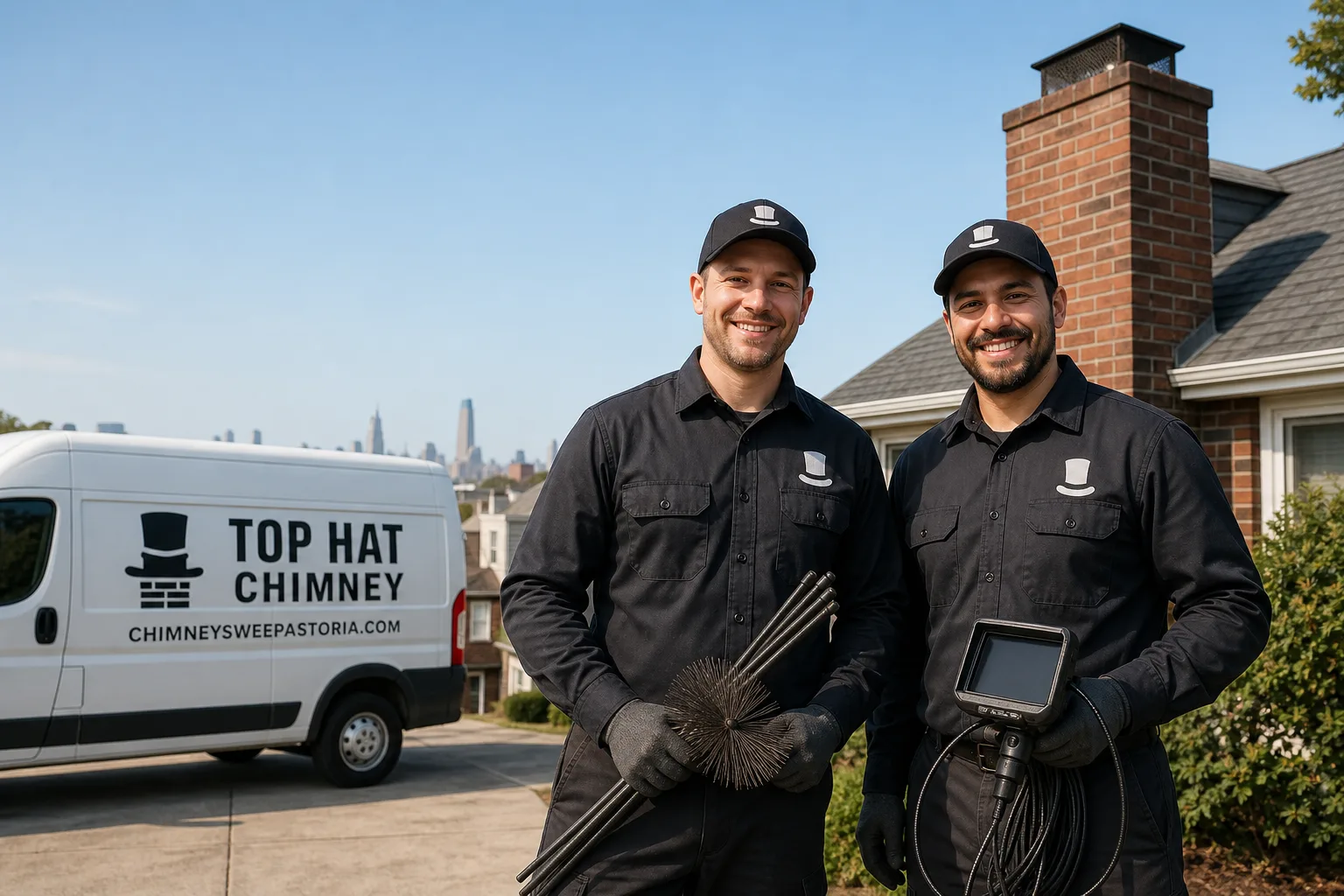
Level 1 sweep and inspection to the NFPA 211 annual standard - flue, crown, cap, and flashing checked and photographed
Chimney sweep logs do not sweep chimneys. They loosen some creosote - which then falls where a brush and vacuum still have to collect it.
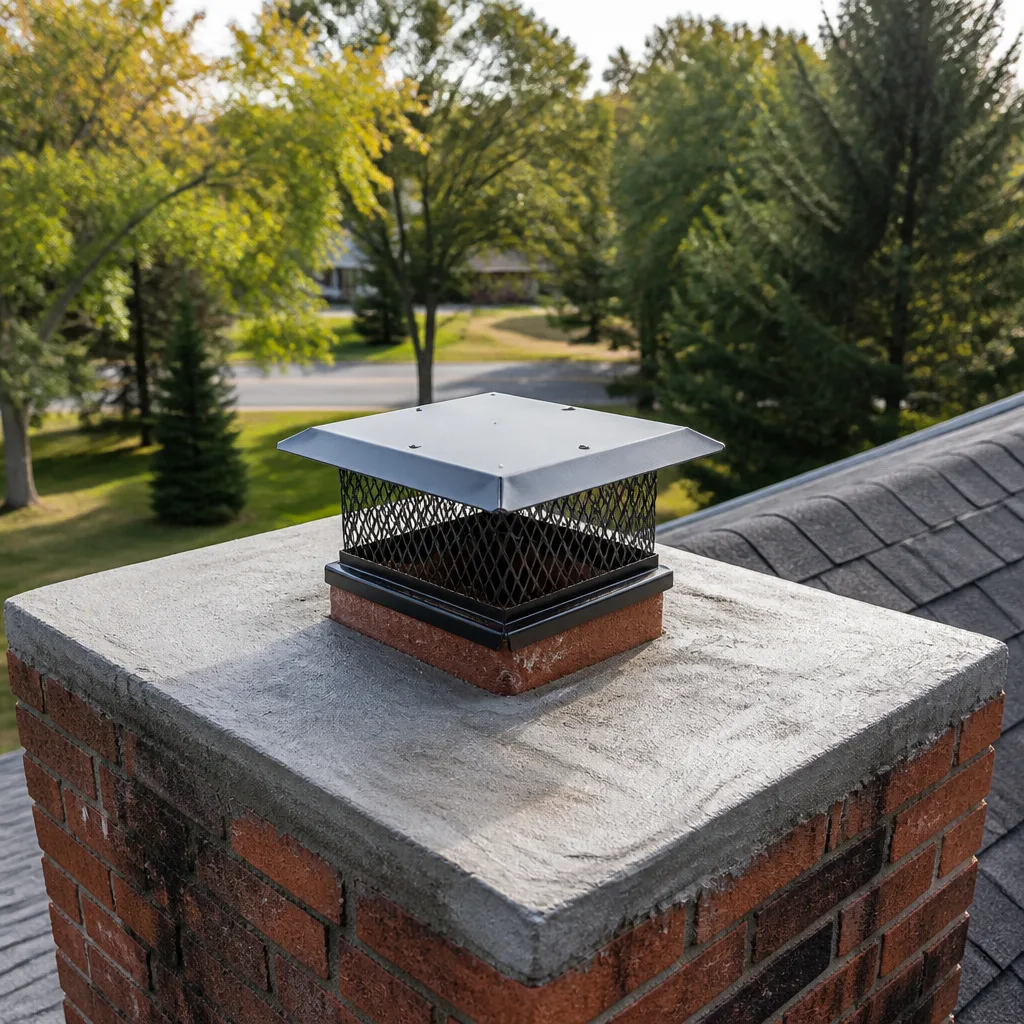
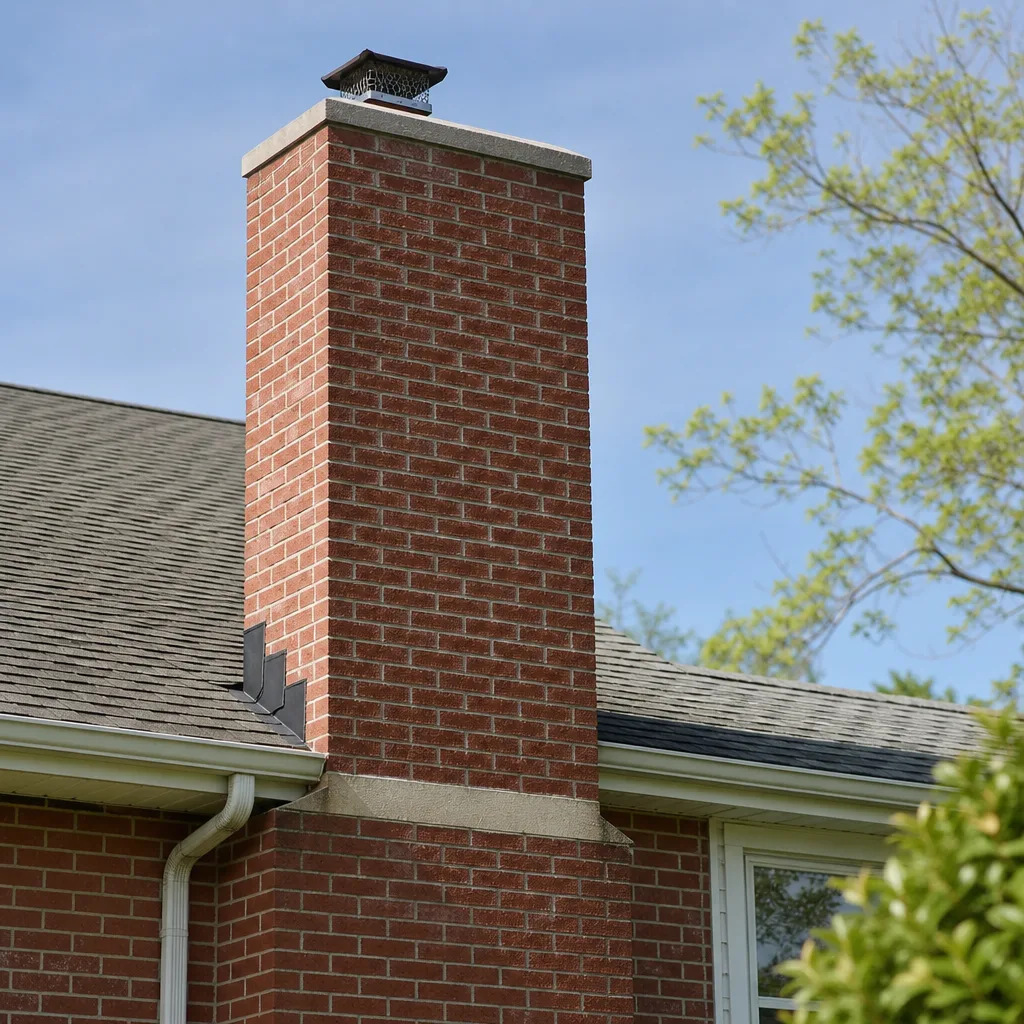
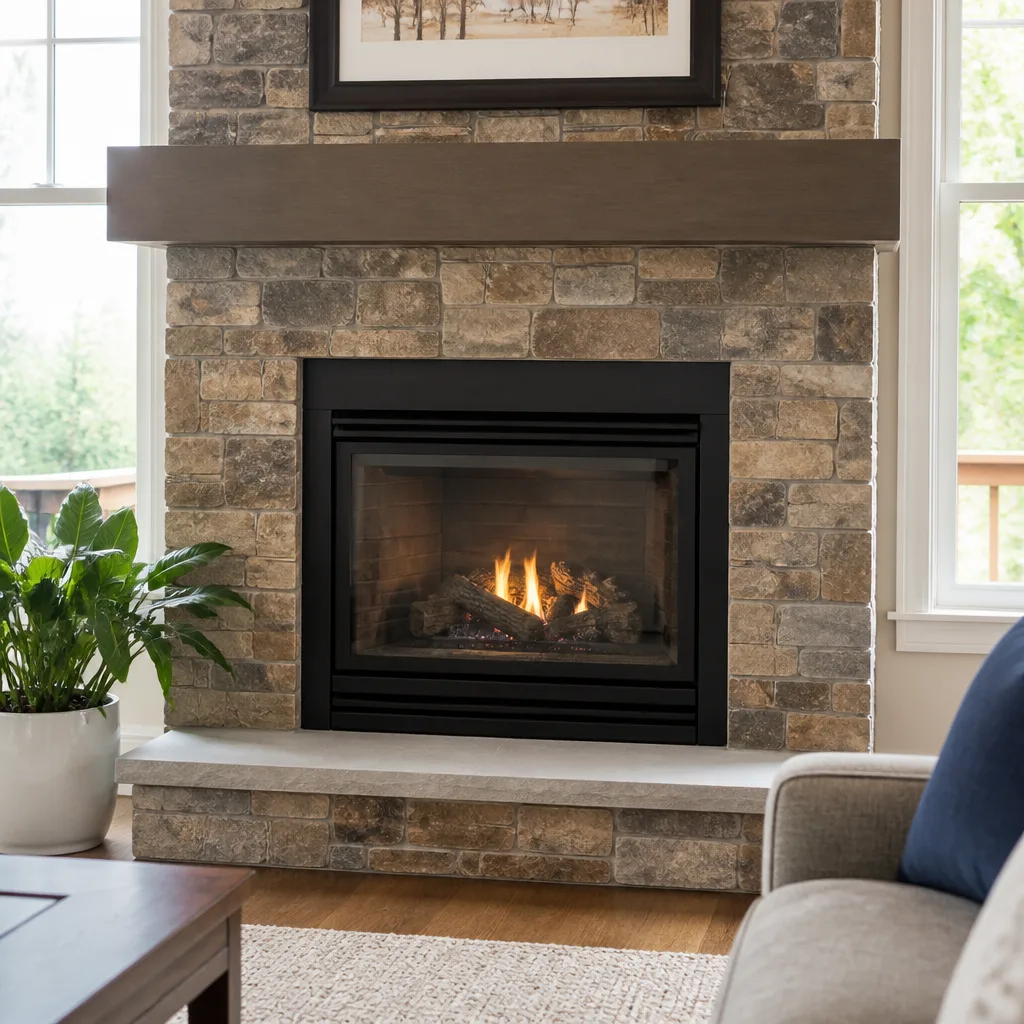
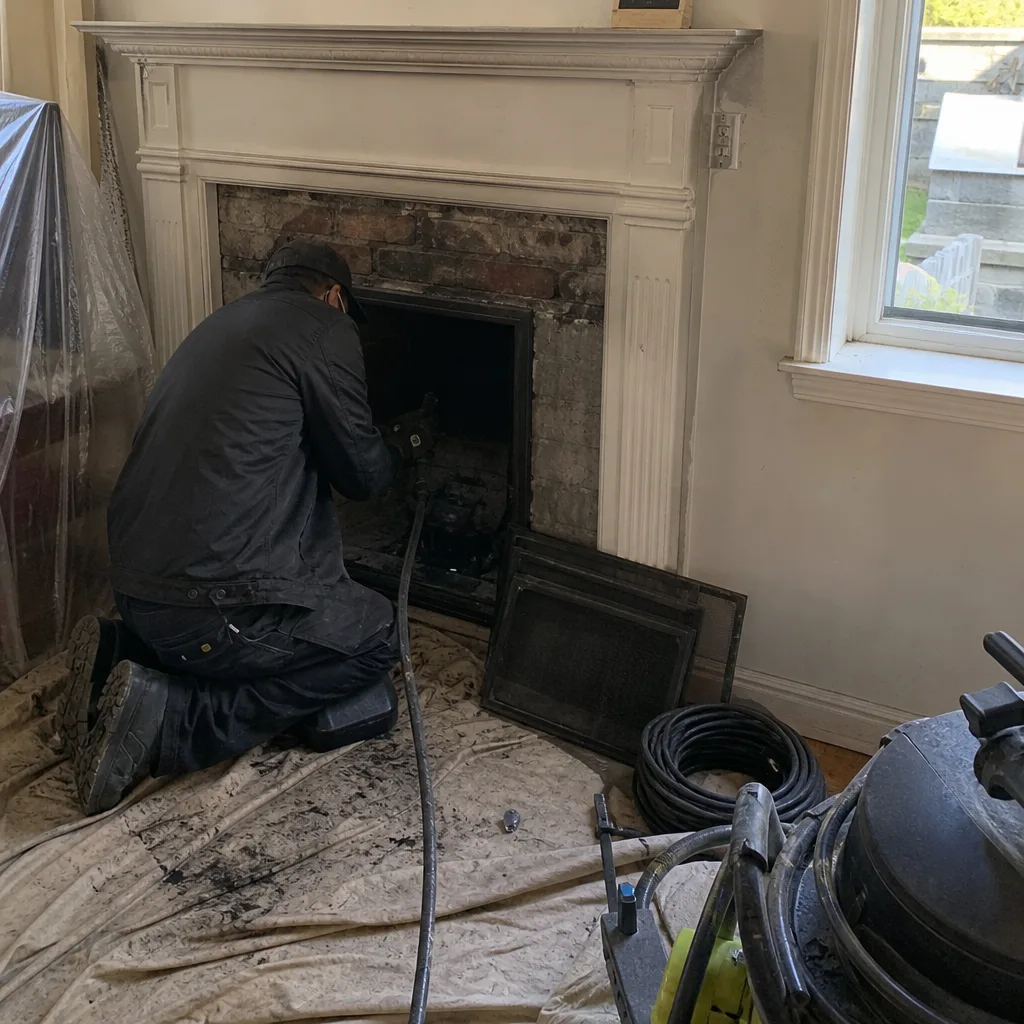 Before
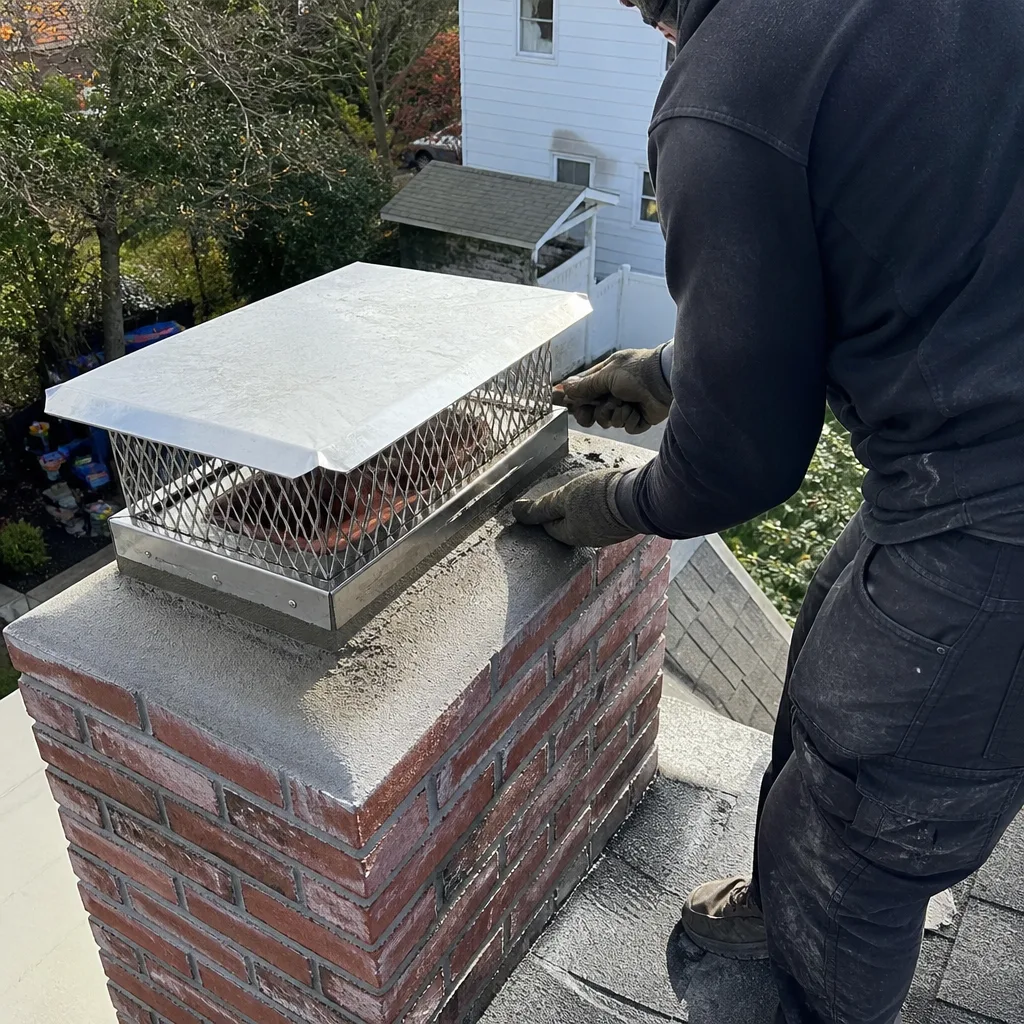 After
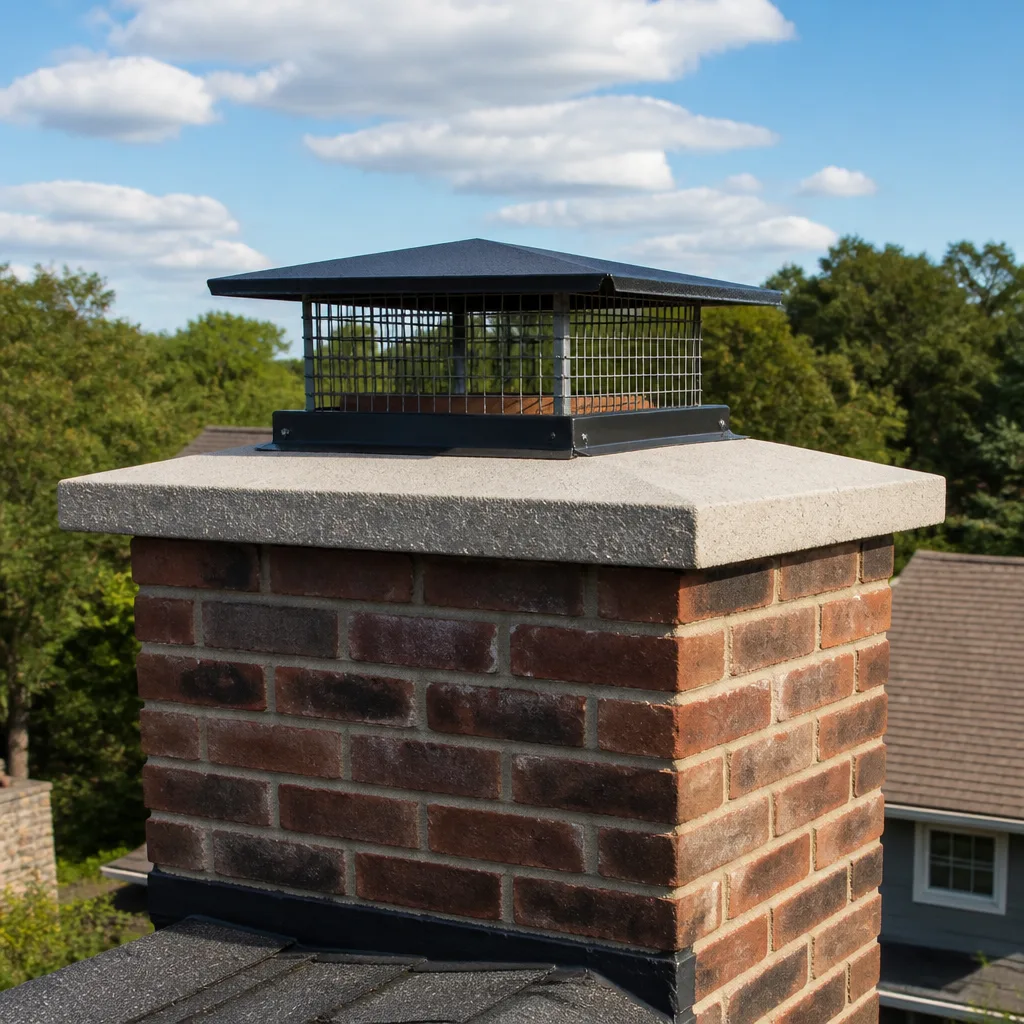
After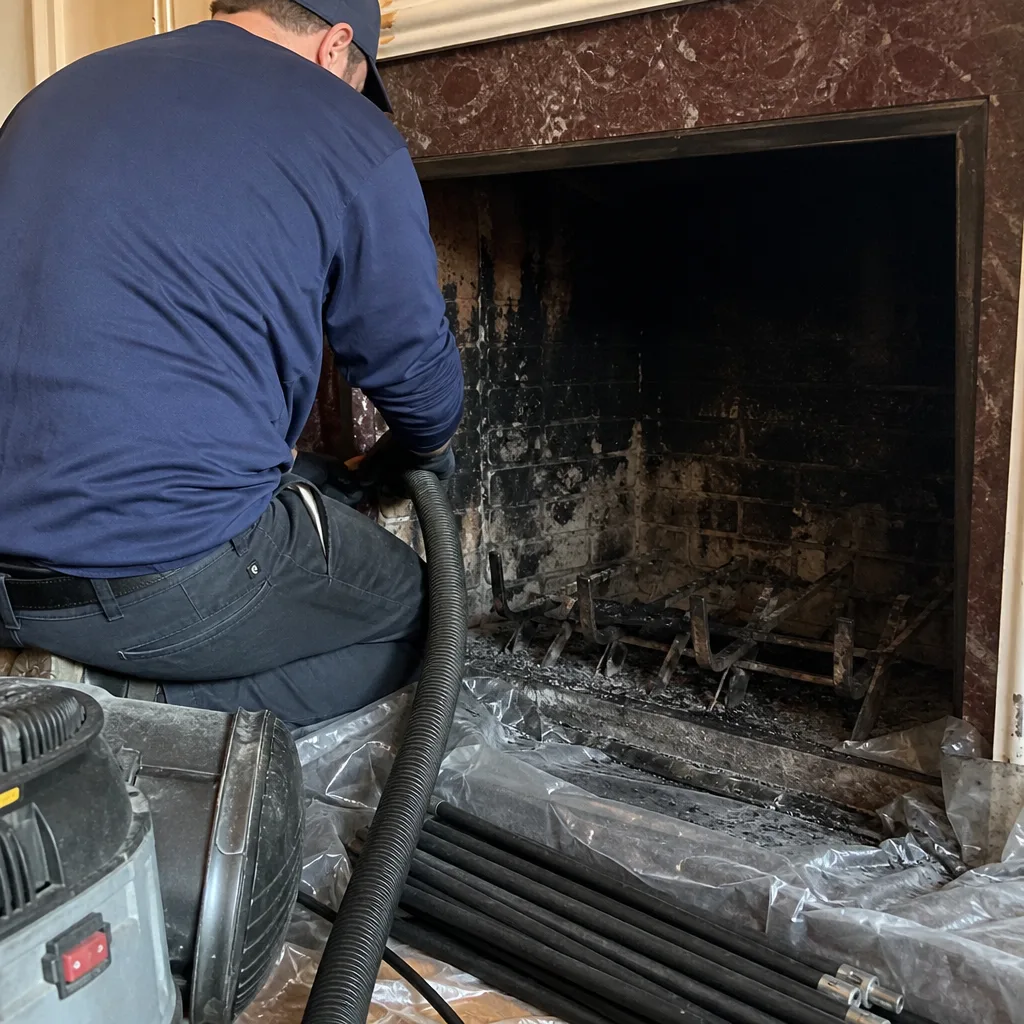 Before
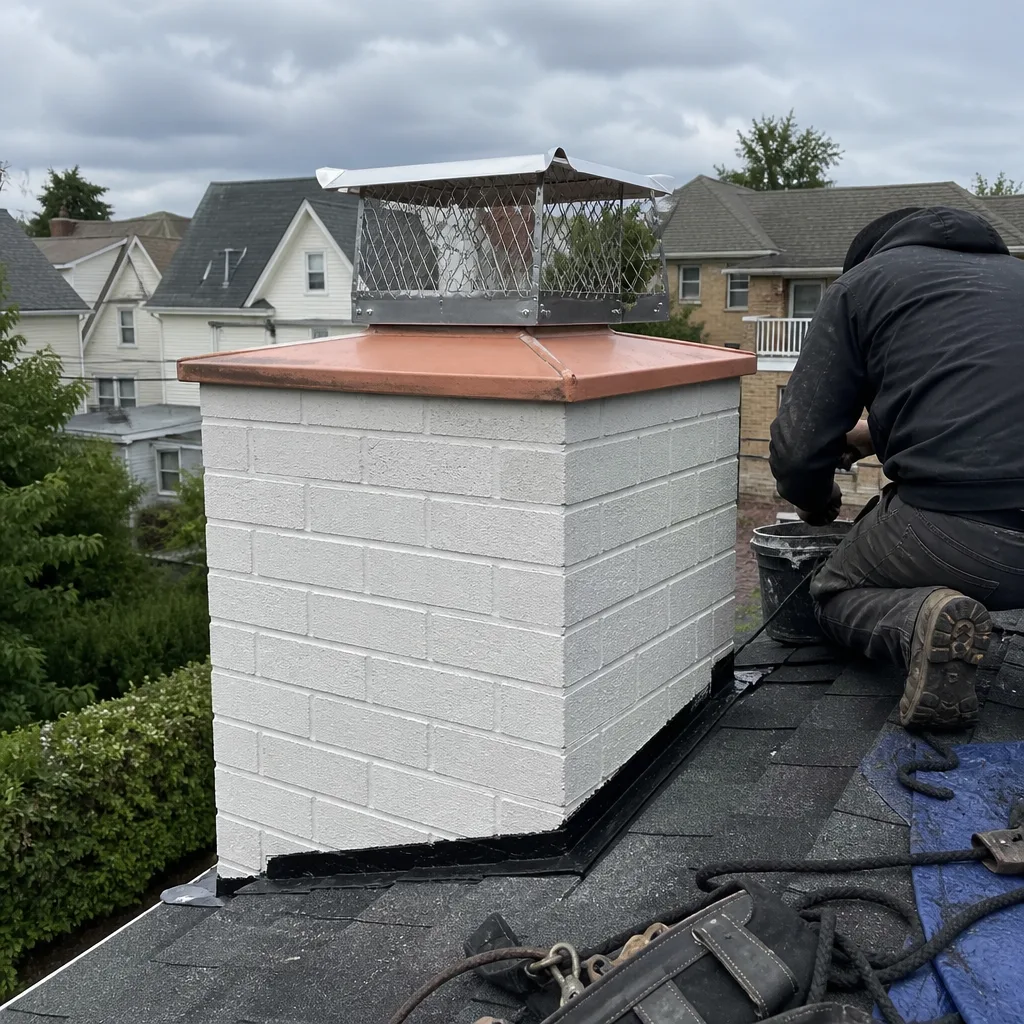 After
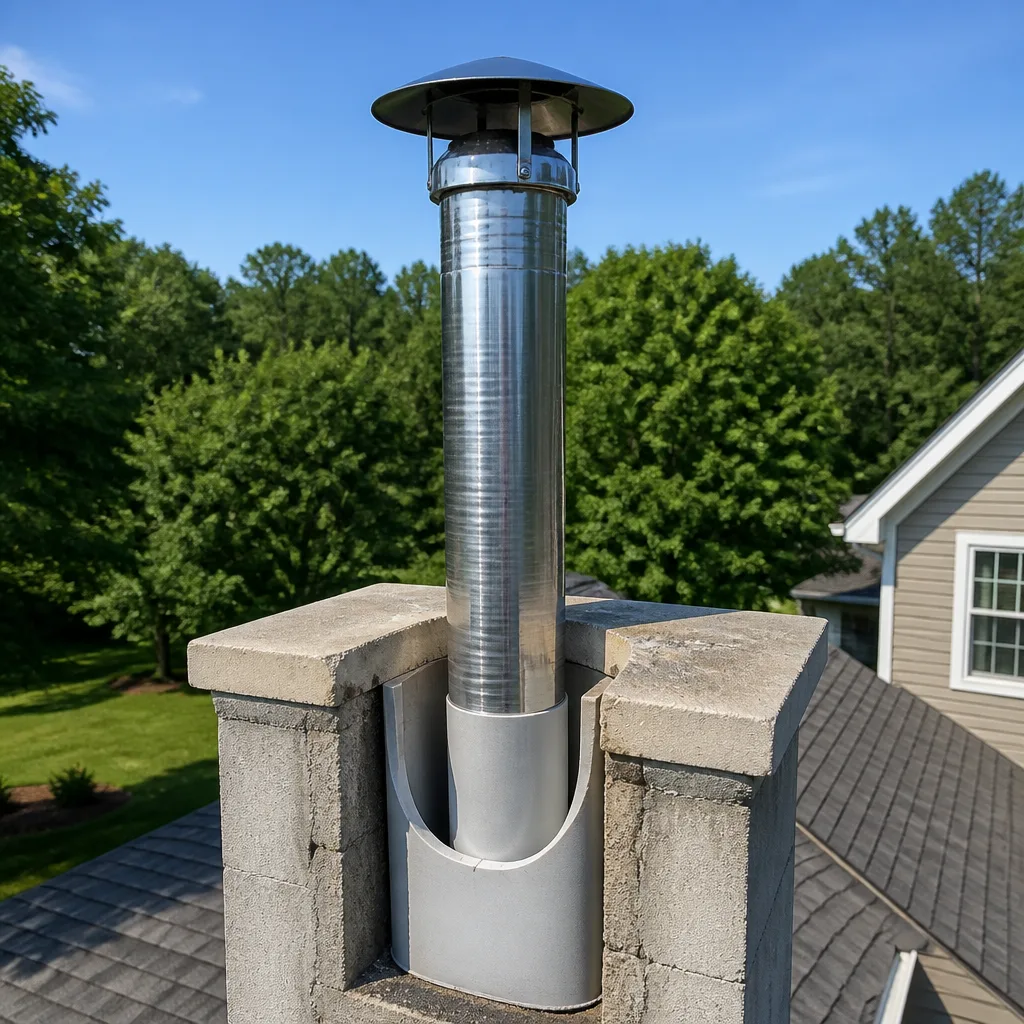
After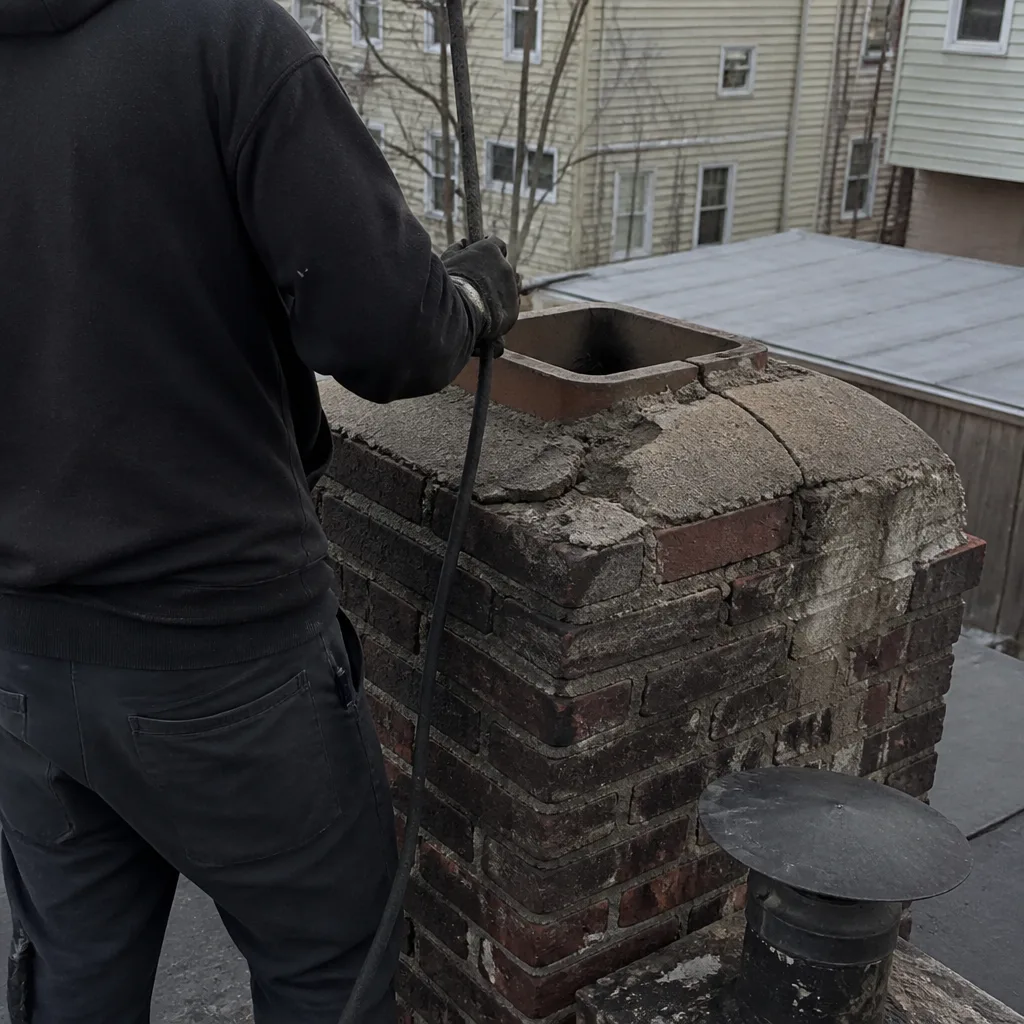 Before
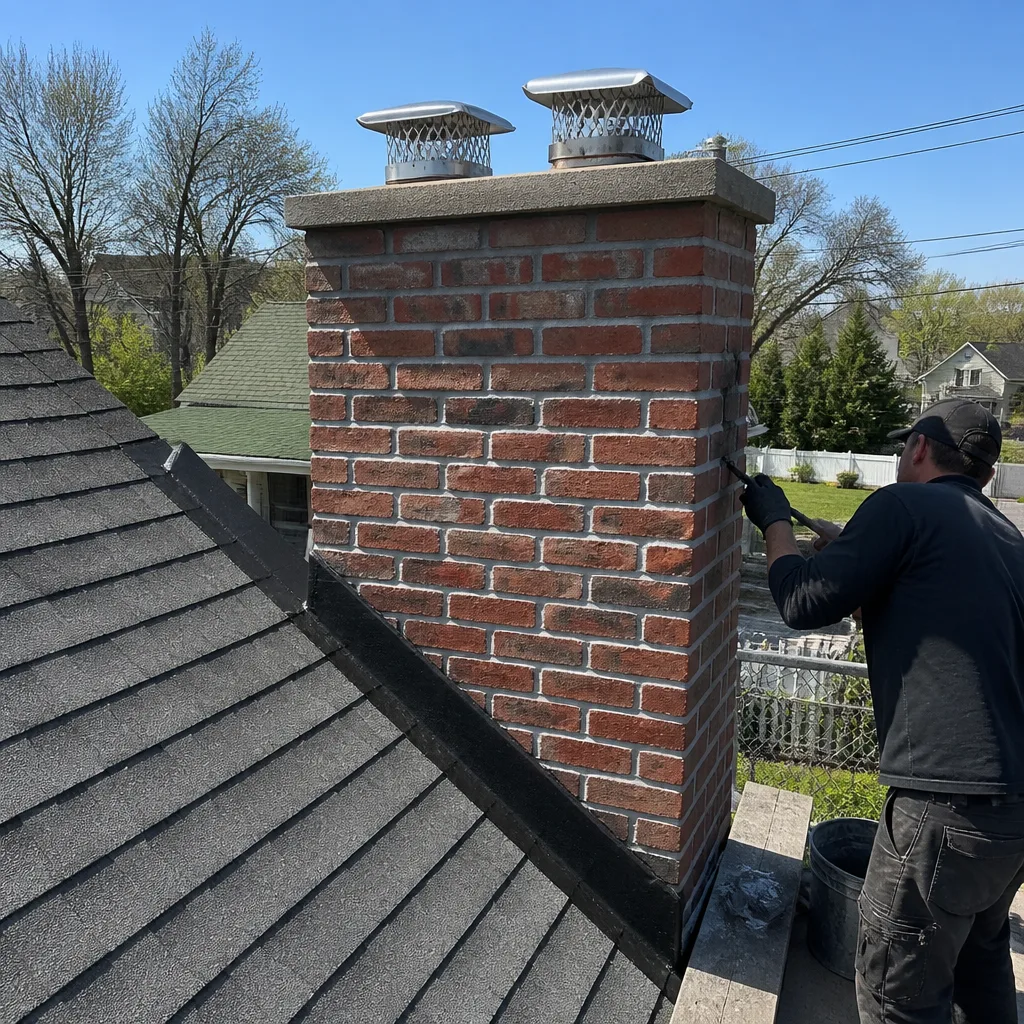 After
AfterFast, Reliable Chimney Liner & Rebuild Across Long Island City
Chimney liner and rebuild work in Long Island City runs $2,800 to $9,500 for a typical attached rowhouse, and a full rebuild on a converted loft stack can reach $14,000 to $22,000 depending on height and access. Most liner replacements on Hunters Point row houses take one to two days once we’re on the roof, and a full rebuild usually runs three to five days. We know Long Island City’s streets, its rooflines, and what happens when a 120-year-old flue gets asked to vent a modern gas boiler. Call (929) 822-6306 for an exact quote before you spend another winter wondering what’s happening inside that brick.
Why Top Hat Chimney Is Long Island City’s Preferred Chimney Liner & Rebuild Company
Wendell Pike founded Top Hat Chimney in 1999, and he still climbs the ladders. When you call about a liner in Long Island City, the person who answers may well be Wendell himself, and the crew that shows up is background-checked, uniformed, and carrying equipment we own outright – not rented from a franchise depot. Our Chimney Liner & Rebuild team has worked the attached row houses and converted lofts of western Queens long enough to know what’s behind the brick before we open it up.
Every job gets our 90-Day Done Right Promise in writing. If something’s not right, one call brings Wendell back, no charge. We don’t rotate crews through Long Island City from three states away. We answer the phone around the clock with a live person, and we give you a real arrival window – and a call if it slips. Long Island City homeowners have been through enough price games with national outfits. We print the number before a tool comes off the truck, and that’s the number on the invoice.
Our Chimney Liner & Rebuild Services in Long Island City
Stainless Steel Liner
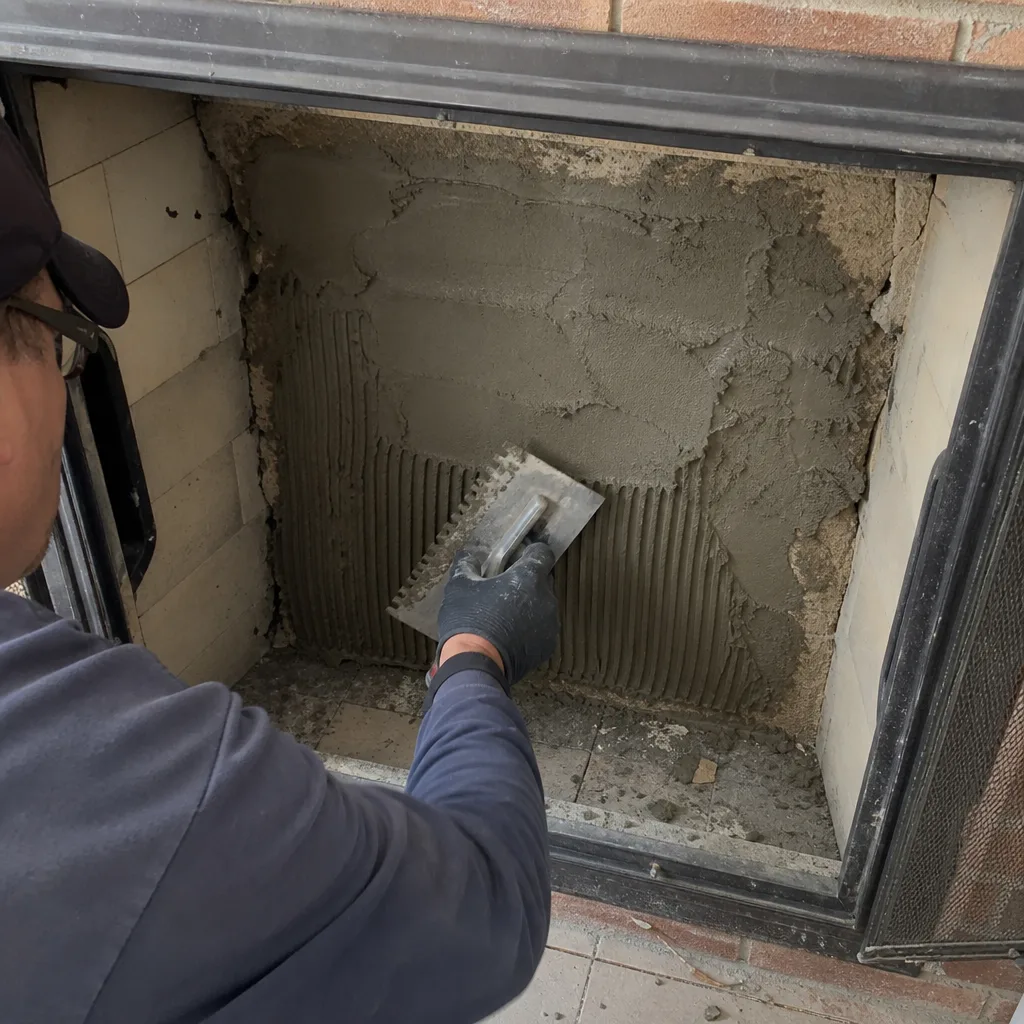
For most Long Island City rowhouses, a rigid or flexible stainless liner is the permanent fix for a failing clay flue. We install DuraFlex liners sized to the appliance, not just to whatever fits down the old brick. On a Hunters Point attached house, that means confirming the liner wall thickness matches the boiler’s BTU rating and that the connection at the basement level is sealed tight against backdrafting into the party wall.
Flexible Liner
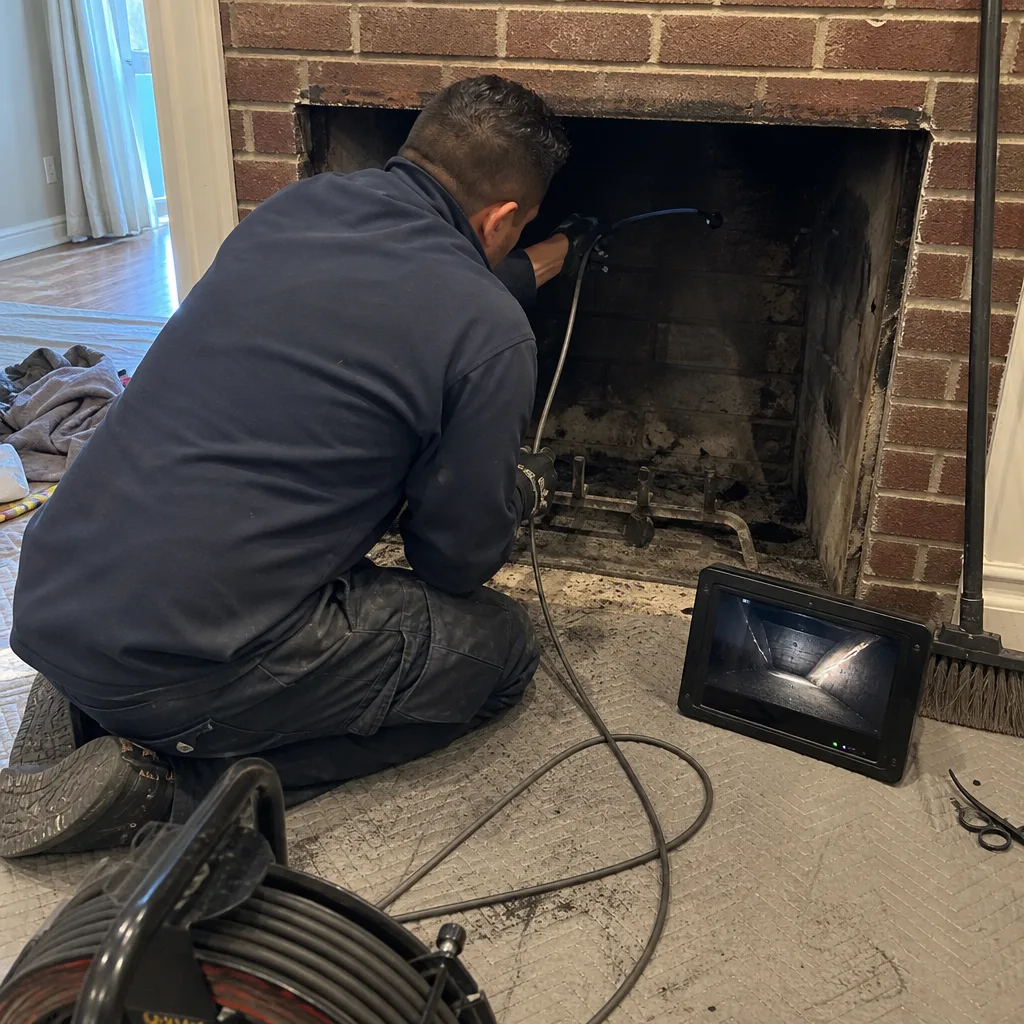
Older Long Island City chimneys with offsets, splayed brick, or a repurposed coal flue rarely run straight. A flexible stainless liner follows the original path without needing to open the masonry, and that’s often the difference between a one-day job and a three-week rebuild. We use the same DuraFlex and Olympia Chimney components we’d put in our own house, and we camera-scope the finished run before we call it done.
Liner Replacement
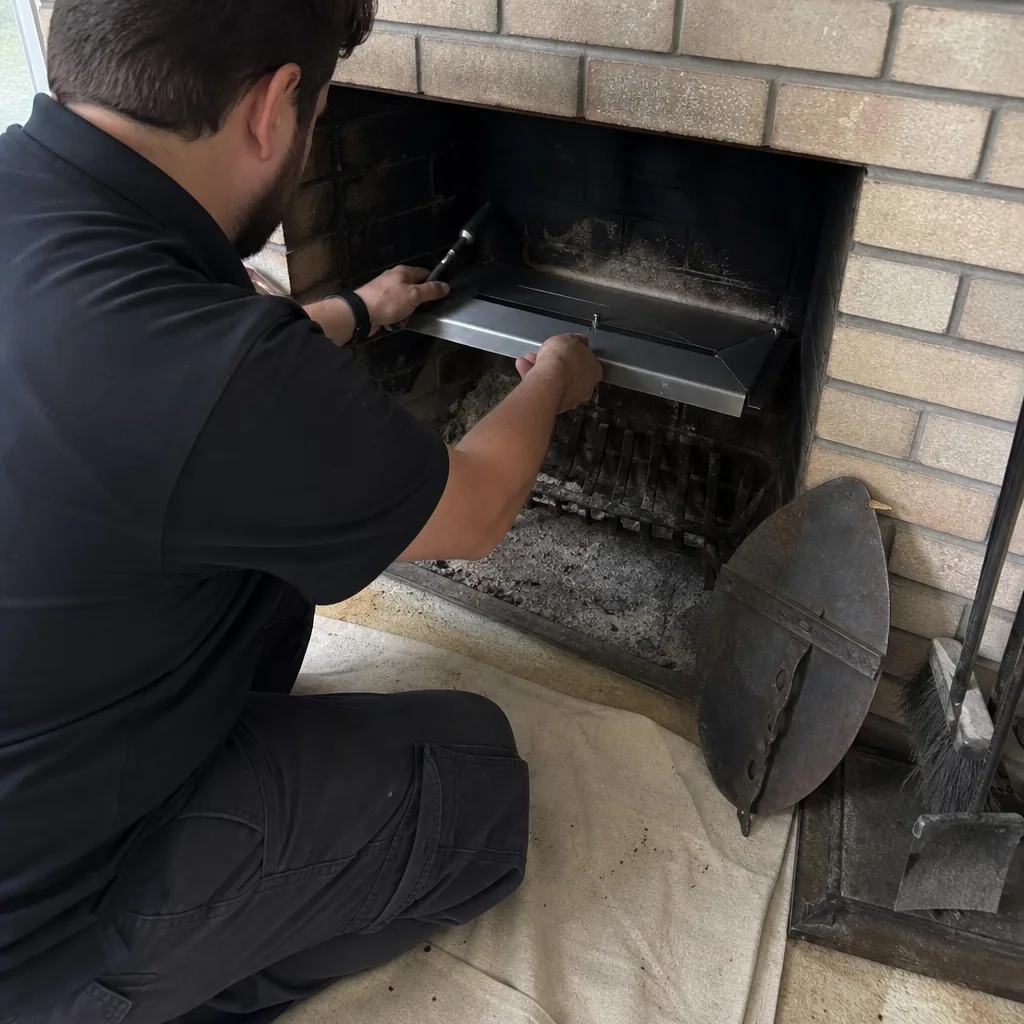
When a Long Island City chimney has an existing liner that’s cracked, separated, or was never right for the fuel type, replacement starts with the question of what the flue is actually venting now. Many of these buildings switched from oil to gas or from coal to gas decades ago, and the liner was never resized. We pull the old one, video the brick, and tell you plainly whether the chimney needs a new liner only, or liner plus masonry work.
Partial Rebuild
A partial rebuild in Long Island City typically means we’re rebuilding from the roofline up – crown, top courses, and sometimes the first few feet of brick below. On attached row houses, parging the exposed stack and rebuilding the crown is often enough to stop the water intrusion that’s been feeding the spalling. On the waterfront side of Hunters Point, we recommend a poured concrete crown with a proper drip edge, because the wind-driven rain off the East River will find any lip that isn’t there.

Full Chimney Rebuild
Full rebuilds in Long Island City mostly happen on stacks that have been soaked by the river wind for decades, or on converted factory chimneys that were never meant to run a residential gas flue. We tear down to sound brick or to the roof deck and rebuild with new firebrick and mortar mixed for exterior exposure. For a shared stack on an attached row house, this is also the moment to separate or reline the individual flues so your neighbor’s boiler stops breathing into your unit.

Liner Repair
Not every damaged liner in Long Island City needs full replacement. HeatShield and Gelco systems can restore structural integrity in a clay liner with a cerfied cast-in-place resurfacing, at a fraction of the cost of stainless. We’ll camera the flue, show you the footage, and tell you straight if repair will hold or if you’re throwing money at a liner that’s already too far gone.

What happens when you call
- 1
A real person answersNo phone trees - you reach a local pro.
- 2
You get an upfront price rangeHonest numbers before anyone is dispatched.
- 3
A background-checked tech heads outLicensed & insured, dispatched right away.
- 4
You approve before work beginsNothing starts until you say go.
Trusted Brands We Service in Long Island City
We install and service liners and components from DuraFlex, HeatShield, and Gelco, and we keep the common stock for Long Island City’s older housing on hand. That means when a Hunters Point row house needs a 5-inch liner with a specific connector, we’re not waiting on a distributor three days out. Wendell has worked with these brands long enough to know which one fits which Long Island City chimney – and which one won’t. We’d rather tell you that on the phone than find out on your roof.
Common Chimney Liner & Rebuild Problems We See in Long Island City Homes
- Shared flues in attached rowhouses backdrafting into the neighboring unit. When an original clay liner cracks or was removed during a renovation, a neighbor’s gas boiler can push combustion gases through the party wall into your flue and your living space. We see this most often on blocks where the buildings still share a single stack and one owner relined a flue while the other didn’t.
- Wind-driven rain on west-facing Hunters Point stacks causing freeze-thaw spalling. Brick on the waterfront side of Long Island City soaks up water that inland Queens never sees, and when it freezes, chunks of masonry shear off onto narrow streets and neighboring roofs. A failed crown on the 44th Drive side of a building is a different job than the same failure a mile inland.
- Repurposed factory stacks in converted lofts running gas appliances without a continuous liner. Those old industrial exhausts are oversized for a modern gas boiler, which means condensation, which means a first-degree creosote problem turns into a third-degree glaze faster than any homeowner expects. LIC has dozens of these conversions, and the chimney was usually an afterthought in the renovation.
- Capped or ‘decoratively’ bricked-over chimneys still connected to the boiler in the basement. A condo conversion closes off the top of the stack for looks, but the basement gas boiler is still venting into the same flue below the cap. The carbon monoxide has nowhere to go but back into the upper-floor units. This is the most dangerous thing we find in Long Island City, and it’s invisible until someone runs a camera up the flue.
Pricing for Chimney Liner & Rebuild in Long Island City, NY
Here’s what Long Island City homeowners can expect, based on the work we actually do week to week. A flexible stainless liner installed in an average attached row house runs $2,800 to $4,500, depending on flue length and roof access. A full LIC rowhouse chimney rebuild, from roofline up, typically lands between $7,500 and $11,000. A partial rebuild – crown, top courses, and parging – runs $3,200 to $5,800. Converted factory lofts and larger multi-family buildings start around $12,000 and go up from there, because the stacks are taller, access is harder, and the liner runs longer. Roof access matters. A chimney on the rear side of a Hunters Point row house with a shared parapet costs less to reach than one on a 12-story loft conversion with a roof hatch and a ladder tie-off. Call (929) 822-6306 and Wendell will give you a flat price before any work starts. Estimates are free, and we’ll beat any written competing estimate – just bring it.
We Also Serve Cities Near Long Island City
If you’re across the border in Long Island City‘s neighboring streets, we cover Sunnyside, Woodside, Astoria, and Maspeth as well. Same crew, same flat pricing, same 90-Day Done Right Promise. The brick doesn’t change at the neighborhood line, and neither do we.
Serving Long Island City, NY - Our Local Coverage Area
We’re based in the Long Island City area and know this community well. Use the map below to see our service coverage - if you’re nearby, we can almost certainly help.
FAQs - Chimney Liner & Rebuild in Long Island City
You usually don’t, not without a Level 2 camera inspection. The only way to know for certain is to run a scope up the flue from the boiler connection and look for where the gases are actually going. In Long Island City’s converted row houses, we routinely find stacks that were bricked over during a condo renovation but never disconnected from the boiler below. That’s a carbon monoxide path into the upper floors, and it’s exactly the kind of thing the NYC DOB flags when they catch it – but the sweep with a camera usually catches it first. Call (929) 822-6306 and we’ll scope it and show you the footage.
Your Long Island City chimney sits on the East River waterfront, and the prevailing westerly winds drive rain straight into the west-facing brick of Hunters Point. Astoria, a mile inland, simply doesn’t take that same sustained water load. The freeze-thaw cycles expand the moisture in your mortar joints, and over a few winters the face of the brick starts popping off. Add a shared parapet with a neighbor who’s ignored their crown for a decade, and the whole stack deteriorates faster than identical construction on the other side of Northern Boulevard.
Sometimes, yes. If the brick is sound and the problem is only a cracked clay liner, a stainless liner installed down the existing flue solves the venting issue without touching the masonry. But if the exterior brick is spalling, the crown is failed, or water is already inside the wall, a liner alone won’t stop the chimney from falling apart. On attached Hunters Point row houses, the decision usually comes down to whether the stack is still structurally sound. We’ll tell you plainly which situation you have, and show you the camera footage to prove it.
For most converted industrial stacks in Long Island City, a rigid or flexible stainless liner from DuraFlex is the right call. The original flue was sized for a factory exhaust system, not a residential gas boiler, so the liner has to reduce the cross-section enough to keep the gases moving and prevent condensation. We also see cases where HeatShield resurfacing is a good fit if the original clay is intact but porous. The key is that the liner has to be continuous from the appliance to the top of the stack – any gap, and you’re back to condensation and creosote in a chimney that was never designed for it.
The only reliable fix is to reline your flue independently so it’s sealed from the basement boiler connection all the way to the cap. When a shared stack has cracked clay liners, the flues aren’t actually separate anymore – gases from one unit can cross into another’s chimney and enter through the brick. On Long Island City row houses where both owners reline, each unit gets its own continuous stainless run and the cross-contamination stops. If your neighbor won’t do their side, relining your flue still protects your unit. Stop by the camera inspection and see what’s actually happening inside that shared stack.
If your Long Island City chimney needs a liner, a rebuild, or just an honest answer about what’s going on inside the brick, call (929) 822-6306. Wendell will give you a flat price, a straight answer, and a 90-Day Done Right Promise in writing. No trip charge inside the county, and $40 off any repair over $200. If you’ve got a written estimate from another chimney company, bring it – we’ll give you a free second opinion.
Written by Wendell Pike, Owner at Top Hat Chimney, serving Long Island City and western Queens since 1999.